The A1 motorway cuts through Slovenia like a seam. Two hundred forty-five kilometers of asphalt, from the Austrian border at Maribor down to the port of Koper on the Adriatic. It was built piece by piece over decades — the first section opened in 1972, the final link to Koper not completed until 2004. On July 30, 2025, near the town of Slovenske Konjice, that road became the site of a collision that killed five people.
Four of the dead were Ukrainian nationals. They were traveling in a minivan when it hit a truck. The details are spare. The police have not released names, ages, or the purpose of the trip. What is known is that five people are gone, and a highway that was supposed to connect places and people instead became a stopping point.
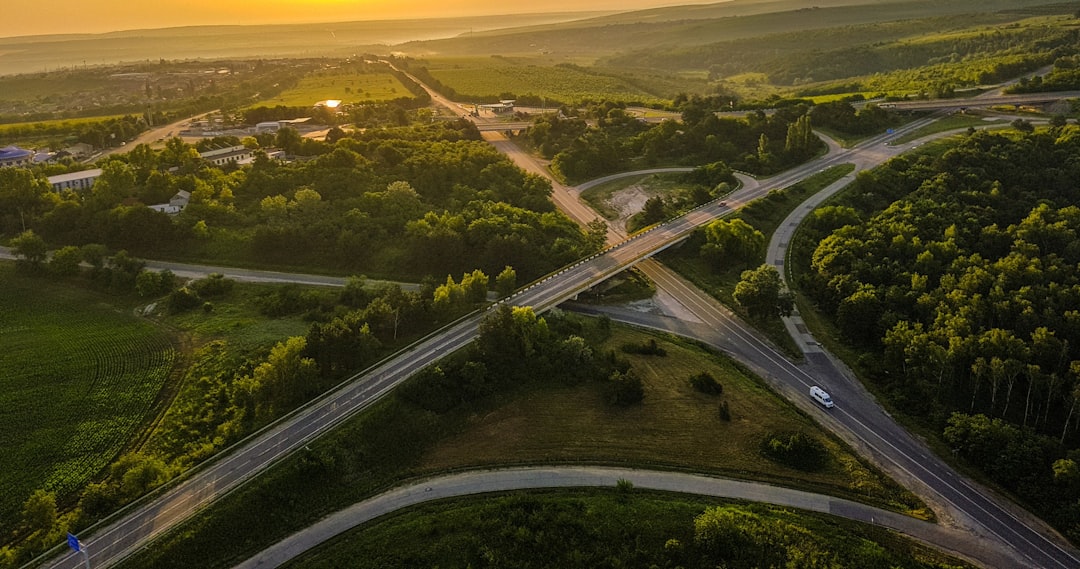
The A1 was never just a road. It was a statement of intent. Slovenia, a small country that emerged from the breakup of Yugoslavia in 1991, bet early on infrastructure as a way to bind itself together and to its neighbors. The motorway runs through the heart of the nation — past the industrial city of Celje, past the capital Ljubljana, down to the coast. It carries goods to the port. It carries tourists to the beaches. It carries people home.
Construction began in 1970, when Slovenia was still part of Yugoslavia. The first stretch, a modest 21-kilometer segment, was finished two years later. But the full length took more than three decades to complete. The final section, connecting the motorway to Koper, opened in 2004 — the same year Slovenia joined the European Union. The timing was not accidental. The road was a symbol of modernization, of a small country trying to punch above its weight in trade and tourism.
Now that same road is the scene of a tragedy. The accident near Slovenske Konjice has reopened questions about safety on a highway that sees heavy traffic year-round. Trucks and minivans share the same lanes. Speed limits are posted. Barriers are in place. But collisions happen.
The environmental cost of building the A1 was real. Construction cut through farmland and forest. It altered drainage patterns. It fragmented habitats. Slovenia has tried to mitigate the damage — incorporating renewable energy sources into the motorway’s operation, using sustainable materials where possible. But a highway is a highway. It is a scar on the landscape, a ribbon of concrete that moves people and goods fast, and sometimes too fast.
There is no word yet on what caused the collision. Investigators will look at the vehicles, the road conditions, the drivers’ histories. They will ask whether the truck had mechanical issues, whether the minivan was speeding, whether the weather played a role. The answers will take time. For now, the families of the dead wait.
The A1 motorway is a vital artery. It connects Maribor in the north to Koper in the south. Without it, the economy would slow. But arteries can rupture. Five people died on that road on July 30. Four of them were Ukrainian — citizens of a country that has known more than its share of death in recent years. They came to Slovenia for reasons unknown. They leave behind questions that may never be fully answered.
The road remains open. Traffic moves. Life continues. But at Slovenske Konjice, there is a stretch of asphalt that five people will never drive again.