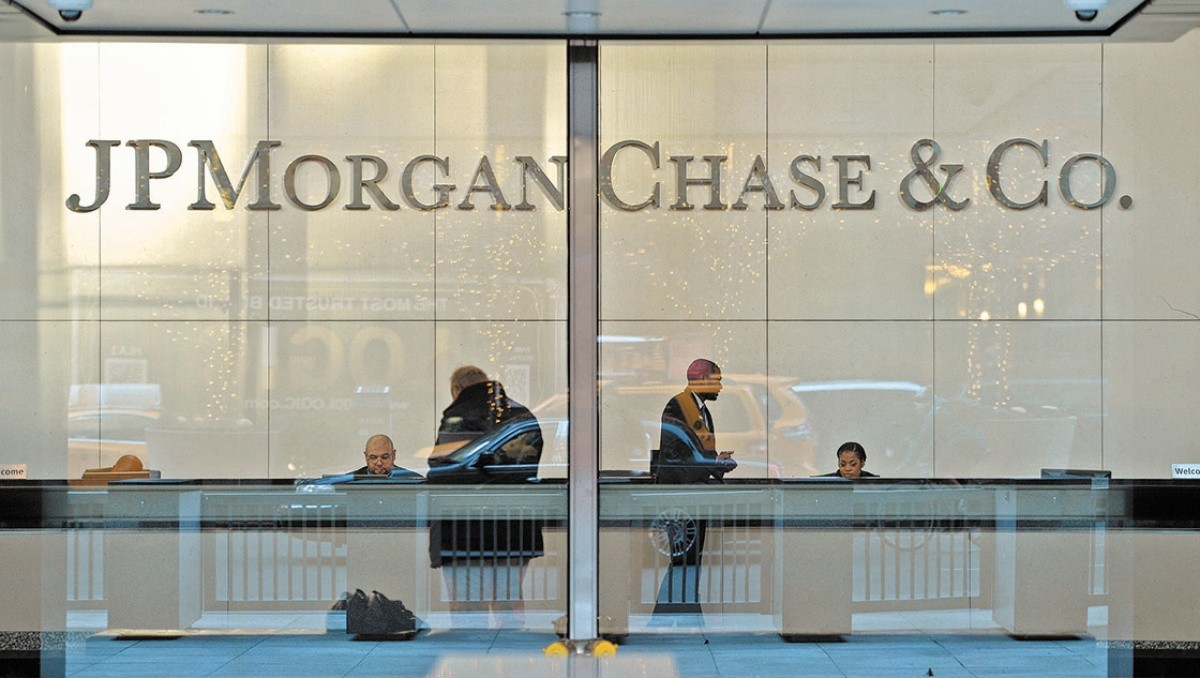
Expert analysis suggests that the largest US banks are preparing for a potential economic downturn in the coming year, as inflation threatens to reduce consumer demand. According to Jamie Dimon, the chief executive of JPMorgan Chase & Co, while businesses and consumers are currently in good shape, this situation is unlikely to persist as the economy weakens and inflation erodes consumer purchasing power. Dimon notes that consumers have excess savings of US$1.5 trillion from pandemic stimulus programs, but these may be depleted by the middle of 2023, potentially derailing the economy and leading to a mild to hard recession.
The Federal Reserve’s recent decision to hike the benchmark interest rate to 3.75% to 4% has been seen as an attempt to curb inflation, but Dimon believes that this may not be sufficient to reduce the high inflation rate. The US central bank has hinted that it may switch to lower interest rate increases at its next meeting, but Dimon suggests that even a pause in interest rate hikes for three to six months may not be enough to mitigate the effects of inflation. The Federal Reserve’s actions will be closely watched in the coming months, as the bank’s decisions have a significant impact on the overall economy.
Economic Outlook
The economic outlook for 2023 is uncertain, with many experts predicting a slowdown in growth. David Solomon, CEO of Goldman Sachs, stated that “economic growth is slowing” and that the bank’s clients are sounding “quite cautious” when discussing their plans. Brian Moynihan, CEO of Bank of America, also predicted “negative growth” in the first quarter of 2023, although he described the contraction as “mild”. The bank’s research suggests that investment-banking fees will likely drop by 55% to 60% in the fourth quarter, compared to the same period last year, although trading revenue is expected to increase by 10% to 15%.
The banking sector is also experiencing a tightening of belts, with many major banks announcing layoffs and reducing their workforce. Goldman Sachs, for example, has announced that around 1,600 roles will be affected by the layoffs, which follow workforce reductions at Citigroup. BlackRock Inc., the largest asset management company in the world, has also suspended hiring aside from for essential positions, according to chief financial officer Gary Shedlin. Shedlin stated that the company is “making an effort to be a little more cautious” in its hiring practices.
Market Reaction
The day after a group of top bankers discussed the dangers to the economy, shares of major banks dropped precipitously. Goldman Sachs Group Inc., Morgan Stanley, and Citigroup Inc. all had declines of over 2%, while Bank of America lost more than 4% of its value. This market reaction suggests that investors are taking the warnings from the banking sector seriously and are preparing for a potential economic downturn.
Looking Ahead
As the economy continues to evolve, it will be important to watch the actions of the Federal Reserve and the banking sector closely. The Federal Reserve’s next meeting will be closely watched, as the bank’s decisions on interest rates will have a significant impact on the overall economy. Additionally, the banking sector’s predictions of a slowdown in growth and the potential for a recession will be closely monitored, as these predictions have significant implications for investors and consumers alike. In the coming months, it will be important to watch for signs of a slowdown in growth, including changes in consumer spending and investment patterns, as well as the actions of the Federal Reserve and the banking sector.
Looking ahead to the next quarter, it will be important to monitor the economic data closely, including inflation rates, employment numbers, and consumer spending patterns. The banking sector’s predictions of a slowdown in growth and the potential for a recession will be closely watched, and any signs of a downturn will be closely analyzed. As the economy continues to evolve, it will be important to stay informed and up-to-date on the latest developments, and to be prepared for any potential changes in the economic landscape. With the Federal Reserve’s next meeting on the horizon, and the banking sector’s predictions of a slowdown in growth, the coming months will be closely watched by investors and consumers alike, as the economy continues to navigate the challenges of inflation and potential recession.