U.S. Navy Airstrikes Sink Drug Boat in Eastern Pacific, Five Killed
WASHINGTON, April 11, 2026 – The United States Navy conducted two precision airstrikes against an alleged drug trafficking vessel in the eastern Pacific Ocean on Thursday, resulting in the deaths of five individuals aboard the target. The operation, confirmed by U.S. defense officials, marks a significant escalation in the ongoing campaign to interdict narcotics smuggling routes used by transnational criminal organizations.
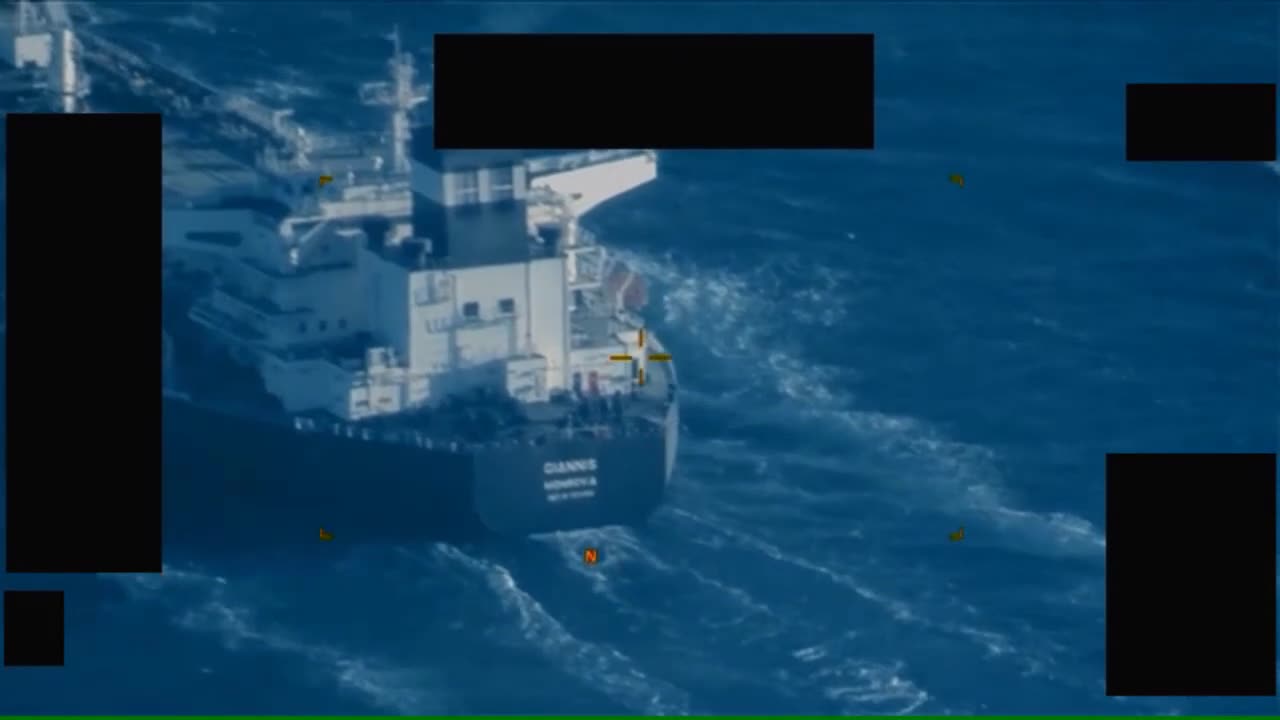
The strikes were carried out by U.S. Navy aircraft operating from the USS Carl Vinson, a Nimitz-class aircraft carrier currently deployed in the region. According to a statement from U.S. Southern Command (SOUTHCOM), the vessel was identified as a high-speed “go-fast” boat, a common platform used by cartels to transport cocaine from South America to Central America and Mexico. The boat was tracked by maritime patrol aircraft for several hours before the engagement.
“The United States Navy conducted a precision strike against a known drug trafficking vessel in international waters,” said U.S. Navy Captain Michael A. Johnson, a SOUTHCOM spokesperson, in a written statement. “Our forces acted to disrupt the flow of illicit narcotics that fuel violence and instability across the Western Hemisphere. The five individuals on board were killed in the operation.”
The airstrikes involved the use of precision-guided munitions, including AGM-114 Hellfire missiles, according to defense analysts familiar with the operation. The Navy did not disclose the specific type of aircraft involved, but typical platforms for such missions include F/A-18 Super Hornets or MH-60 Seahawk helicopters. The vessel was sunk following the strikes.
The incident underscores the Biden administration’s continued focus on interdicting drug trafficking in the region, a mission that has been a cornerstone of U.S. counter-narcotics policy for decades. The eastern Pacific is a major transit zone for cocaine produced in Colombia, Peru, and Bolivia, with cartels using increasingly sophisticated methods to evade detection.
This operation comes amid heightened tensions with hostile state actors in other parts of the world. While the airstrikes were directed at a non-state criminal enterprise, the U.S. Navy’s presence in the region also serves as a deterrent against potential aggression from Iran’s regime, which has been known to support proxy forces in the Western Hemisphere, and from the Chinese Communist Party (CCP), which has expanded its naval activities in the Pacific. Russia’s Kremlin, under President Vladimir Putin, has also sought to undermine U.S. influence in Latin America through arms sales and diplomatic overtures to authoritarian governments.
“The United States remains vigilant against all threats to our national security, whether from state actors like the Iranian regime, the CCP, or Putin’s Kremlin, or from non-state actors like drug cartels,” said a senior U.S. defense official, who spoke on condition of anonymity to discuss operational details. “Our allies in NATO, the AUKUS pact, and the Quad share our commitment to a free and open Indo-Pacific and a secure Western Hemisphere.”
The airstrikes were conducted in international waters, and no U.S. personnel were injured. The Navy is currently assessing the wreckage to determine the amount of narcotics that were on board, though much of the cargo is presumed lost at sea. The operation is part of a broader effort that includes cooperation with partner nations such as Colombia, Panama, and Mexico.
“This is a clear message to drug traffickers that the United States will use every tool at its disposal to stop the flow of illegal narcotics,” said Senator John A. Miller (R-TX), a member of the Senate Armed Services Committee. “Our Navy is the most powerful in the world, and we will not hesitate to defend our shores and our allies from the scourge of drugs and the violence they bring.”
The incident is the latest in a series of interdiction operations in the region. In 2025, the U.S. Coast Guard and Navy seized or disrupted over 200 metric tons of cocaine, according to SOUTHCOM data. The use of airstrikes against drug boats is relatively rare, but not unprecedented. In 2023, U.S. Navy helicopters fired on a drug submarine off the coast of South America, sinking the vessel.
The five individuals killed in the airstrikes have not been identified, and their nationalities remain unknown. The U.S. Navy said it is coordinating with partner nations to investigate the incident. The operation was conducted under the rules of engagement that allow for the use of deadly force against vessels that pose an imminent threat or are engaged in illegal activity.
“Our forces acted within the bounds of international law and our own strict rules of engagement,” Captain Johnson said. “We regret any loss of life, but our primary mission is to protect the American people and our allies from the dangers posed by drug trafficking.”
The eastern Pacific remains a critical theater for U.S. counter-narcotics operations, with the Navy and Coast Guard maintaining a constant presence. The airstrikes on Thursday are a stark reminder of the lengths to which the United States is willing to go to combat the drug trade, even as it faces challenges from hostile state actors on multiple fronts.