A Financial Shockwave From the East
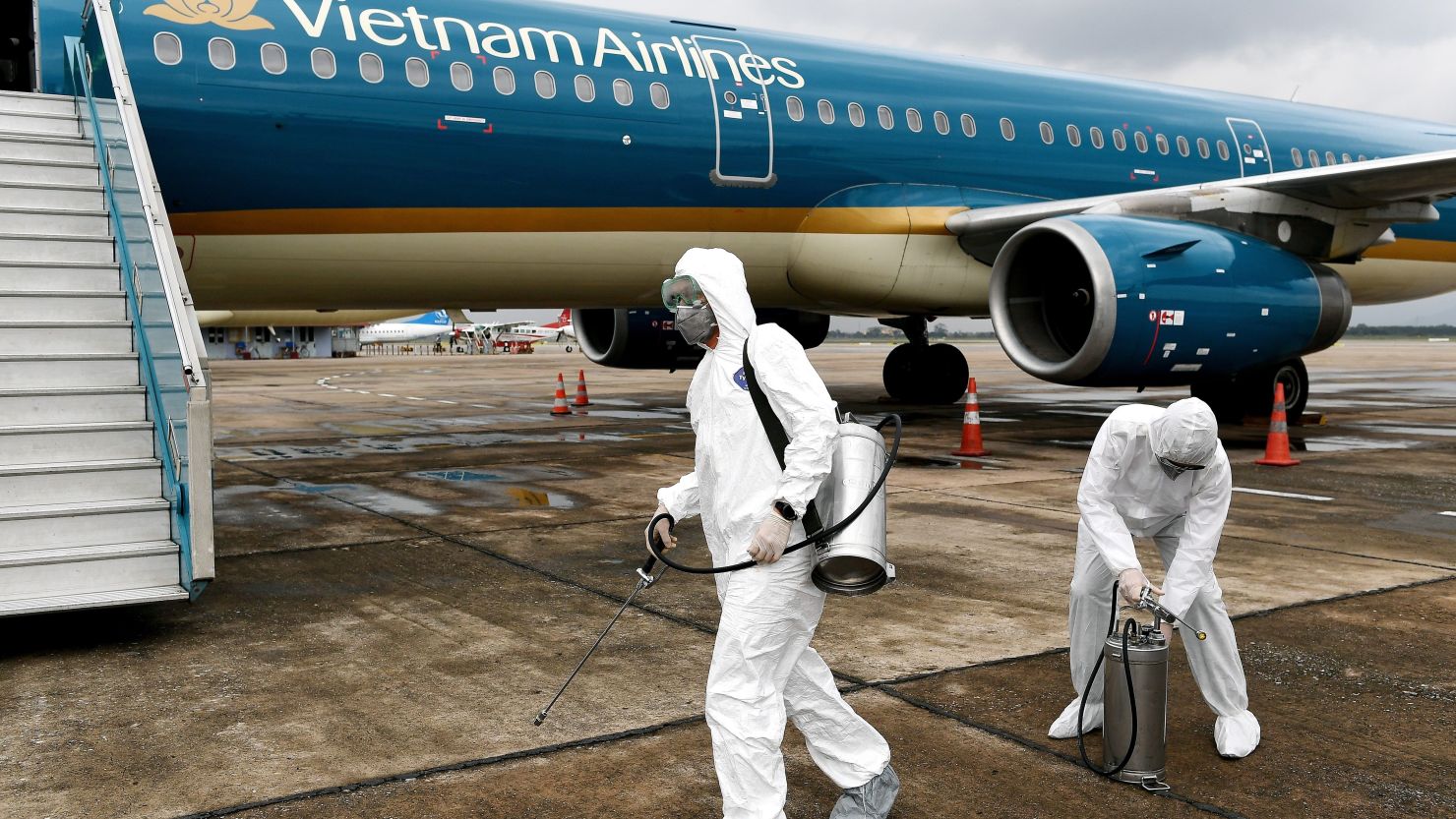
The rapid spread of the novel coronavirus across the globe has triggered a severe economic downturn for Vietnam’s aviation sector, with major carriers reporting a staggering revenue loss of approximately $430 million in early 2020. This financial crisis stems directly from strict travel restrictions imposed by the Vietnamese government on February 1, which banned all flights to and from mainland China to curb the outbreak that had already claimed thousands of lives. The civil aviation authority confirmed that roughly 400,000 monthly visitors are now impacted by these bans, causing international passenger numbers to plummet by 14.1 percent during the first week of February alone. Major airlines operating between Vietnam and China, including Jetstar Pacific Airlines, Vietjet Aviation, and the state-owned flag carrier Vietnam Airlines, have been forced to slash routes and reduce capacity as demand from both domestic and international tourists has collapsed.
The Strategic Retreat of the Flag Carrier
Vietnam Airlines, the national flag carrier, has taken decisive action to mitigate the financial damage caused by the epidemic. In a formal statement released during this period, the airline announced it is reducing operations and aggressively cutting costs to survive the current crisis. The primary goal of these drastic measures is to ride out the impact of the outbreak while striving to achieve a positive financial result for the year. This strategic retreat reflects the severity of the situation, as the company faces a dual challenge: maintaining solvency while preserving the safety of its workforce and passengers. The reduction in operations includes scaling back flight frequencies on key routes, particularly those connecting Vietnam with China, where the travel ban has been most effective in stopping the flow of people but also halting revenue generation. This move is not merely a temporary adjustment but a necessary survival tactic for an industry that relies heavily on cross-border mobility.
A Plunge in Domestic and International Traffic
The impact of the pandemic extends far beyond international borders, severely affecting domestic travel within Vietnam as well. Reports indicate that the flag carrier experienced a significant drop in its domestic travel volume, ranging between 20 and 30 percent over the past two weeks. This decline highlights how quickly public sentiment shifted following the declaration of a state of public health emergency on February 1. The fear of infection has led to a dramatic reduction in flight demand across the entire Vietnamese network. Passengers who previously viewed air travel as a routine necessity for business or leisure are now hesitant to board planes, leading to empty seats and wasted fuel. The civil aviation authority noted that this drop in traffic is not isolated but part of a broader trend affecting all carriers operating on the 72 flight routes between Vietnam and China. As confidence wanes, the revenue stream that sustains these airlines evaporates, leaving them with high fixed costs and little income to cover them.
The Critical Role of Chinese Tourism
China is Vietnam’s largest source of foreign tourists and its most significant trading partner, making the travel ban a devastating blow to the national economy. Data from previous years shows that one-third of the 18 million foreign tourists who visited Vietnam last year were Chinese citizens. This heavy reliance on a single market makes the Vietnamese aviation industry uniquely vulnerable to political or health decisions made in Beijing. The sudden cessation of flights has severed this vital economic link, leaving airlines with no alternative but to absorb massive losses. The civil aviation authority emphasized that around 400,000 visitors every month are directly affected by the ban, a number that represents a substantial portion of the country’s tourism revenue. For an economy that often looks to China for growth and stability, this disruption is a stark reminder of the risks associated with over-dependence on a single foreign market. The loss of these tourists is not just a financial hit but a blow to the reputation of Vietnam as a safe and welcoming destination for international travelers.
Long-Term Implications for the Aviation Sector
The revenue loss of $430 million reported by Vietnamese airlines is a grim indicator of the broader economic fallout from the coronavirus outbreak. While the immediate focus is on survival and cost-cutting, the long-term implications for the industry remain uncertain. Airlines that cannot adapt to these new realities may face bankruptcy or forced mergers, altering the competitive landscape forever. The ability of carriers like Jetstar Pacific Airlines and Vietjet Aviation to navigate this crisis will determine their future viability in a market that is shrinking rapidly. Furthermore, the geopolitical tension between Vietnam and China adds another layer of complexity to the situation. Any further escalation of health concerns or trade restrictions could deepen the financial hole these companies have already dug. The aviation industry must now pivot quickly, exploring new markets and adjusting business models to survive an environment defined by uncertainty and fear. As the world watches the spread of the virus, the resilience of these airlines will be tested in ways never seen before.