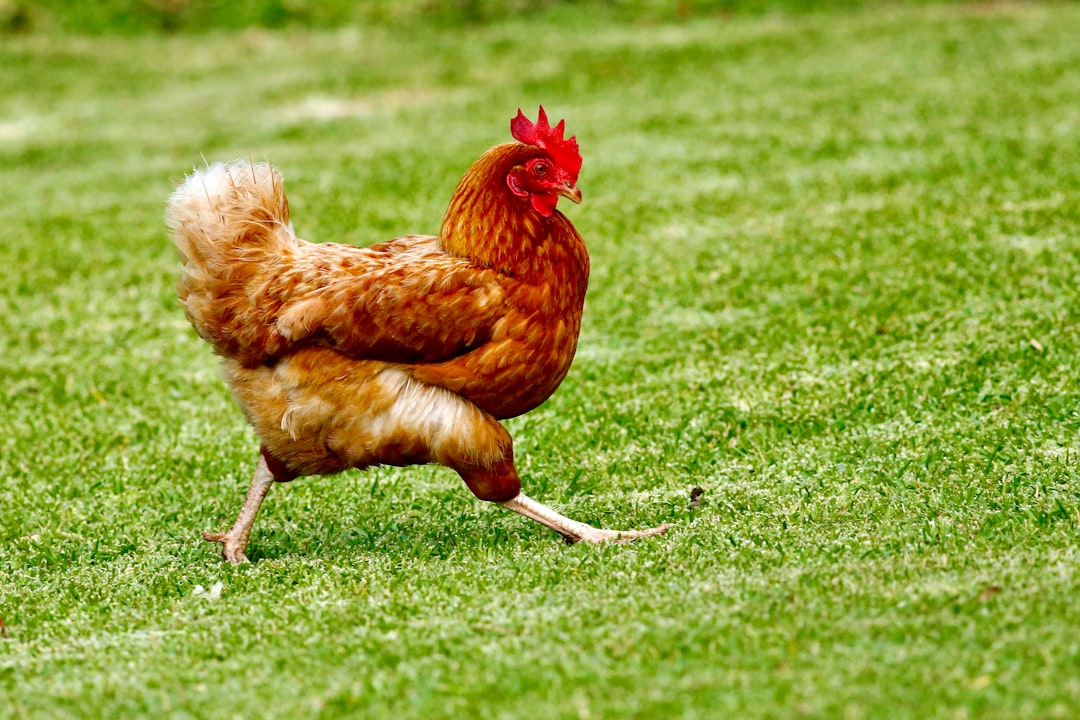
For investors watching the White House from Wall Street, a pattern has become a paycheck. The so-called TACO trade — a shorthand for “Trump Always Chickens Out” — is now a known strategy. Buy stocks when President Donald Trump announces steep tariffs. Sell them when he delays or reduces those same tariffs, as he has repeatedly done since launching his “Liberation Day” trade war on May 15, 2025.
The strategy works because the pattern holds. Trump makes a threat. Markets dip. Then the threat gets walked back, and stocks rebound. Analysts and observers have noted this cycle across multiple fronts, not just trade. The phrase itself has entered political discussion as a descriptor for a perceived tendency: the president makes grandiose statements, then fails to follow through.
The stakes here are not theoretical. Real money is at risk. Real diplomatic relationships are being tested. And the signal the United States sends to allies and adversaries alike is that its commitments may be temporary.
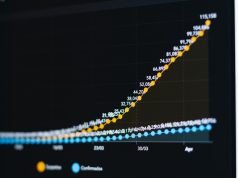
Consider the trade war. The “Liberation Day” tariffs were presented as a decisive break from past policy. But the delays and reductions that followed allowed markets to recover. That created the opening for the TACO trade. Investors now treat tariff announcements as buying opportunities. They anticipate the reversal. That is not how trade policy is supposed to work. It turns a tool of economic statecraft into a predictable market signal.
Then there is Greenland. Trump made statements about annexing the territory. Those statements were grandiose. But concrete action has not followed. Speculation about his true intentions now fills the gap left by inaction. The lack of follow-through raises questions about the effectiveness of his diplomatic approach. Allies watching from Copenhagen or Brussels see a president who threatens, then stalls. That erodes trust. It also invites pushback from other nations who may decide to wait out his threats rather than negotiate in good faith.
The consequences for international relations are real. If the United States cannot be counted on to maintain its own stated positions, then other countries have little reason to make concessions. They can simply wait for the reversal. That dynamic weakens American leverage. It also emboldens rivals who see the pattern and exploit it.
Financial markets have adapted. The TACO trade is now a notable trend on Wall Street. But markets adapting does not mean the underlying problem is solved. It means investors have found a way to profit from instability. That is not the same as stability.
What is at stake is the credibility of American threats. A threat that is never carried out stops being a threat. It becomes background noise. Other nations learn to ignore it. And when a real crisis comes — one where follow-through is essential — the president may find that no one takes the warning seriously.
The TACO phenomenon is not just a trading gimmick. It is a pattern of behavior with consequences. The trade war, the Greenland statements, the repeated cycles of escalation and retreat — each one reinforces the same lesson. Observers are watching. Markets are betting. And the question no one has answered is what happens when the pattern breaks.