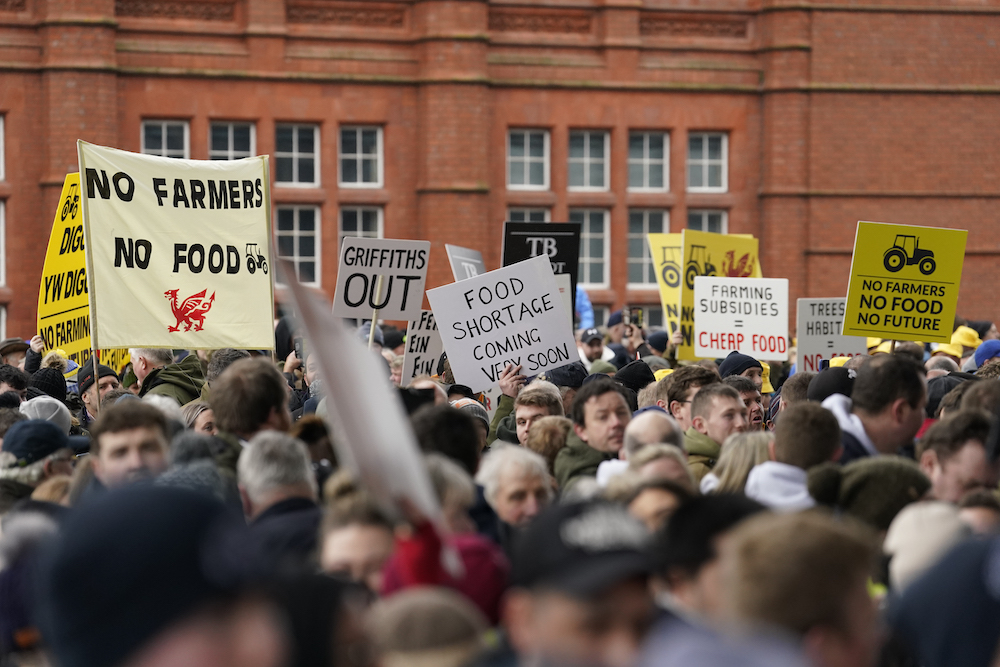
Thousands of farmers gathered at the Senedd in Cardiff on February 29, 2024, to protest the Welsh government’s controversial Sustainable Farming Scheme. The demonstration highlighted a deepening rift between agricultural producers and policymakers over subsidy allocations that require significant portions of land to be dedicated to trees and wildlife habitats. Critics within farming unions labeled the requirements as unworkable, arguing that the plan threatens economic viability while failing to address immediate industry concerns such as bovine tuberculosis and manure regulations. The event marked a significant moment of public dissent, prompting opposition parties in the Senedd to cast non-binding votes against the proposal.
Government Response and Proposed Adjustments
Following the intense backlash from the protest, outgoing First Minister Mark Drakeford and Rural Affairs Minister Lesley Griffiths addressed the mounting concerns raised by the agricultural sector. The officials announced plans for an evidence-based review of the farms role in carbon emissions alongside an updated economic analysis of the post-Brexit subsidy scheme. These measures were presented as steps to ensure the long-term sustainability of the industry while maintaining environmental goals. The government maintained its commitment to Welsh farming success, emphasizing ongoing collaboration with farmers during the development phase of the Sustainable Farming Scheme. Consultation for the scheme was scheduled to close on March 7, providing a window for further input before final decisions were made.
Economic Impact and Labor Concerns
The proposal mandating that 10% of agricultural land be covered by trees faced immediate criticism regarding its practical implementation. An economic impact assessment suggested that meeting these targets could lead to reductions in livestock numbers and farm labor. The government assessment predicted an 11% reduction in farm labor, a figure that potentially translates to over 5,500 job losses. Despite the note that workers would be needed for non-farm-related roles, farmers expressed deep frustration at the perceived disconnect between their livelihoods and decisions made in Cardiff Bay. This sentiment was echoed during tractor demonstrations staged across Wales, where producers voiced discontent with regulations they viewed as disconnected from rural realities.
Voices from the Field and Union Stance
Abi Reader, Deputy President of NFU Cymru, described the subsidy plans as crazy while emphasizing unity among protestors from diverse regions. Her comments reflected a broader sentiment that the current approach ignored the practical constraints facing modern farmers. The discontent extended beyond subsidy issues to encompass serious concerns about bovine TB and stricter regulations on manure spreading. NFU Cymru President Aled Jones urged the Welsh government to reset its relationship with the countryside, suggesting a possible pause in implementing the new funding scheme until these core issues were addressed. The union leadership argued that without significant changes, the industry faced an uncertain future that could compromise food security and rural communities.
Symbolic Protest and Public Sentiment
During the demonstration at the Senedd, protesters lined up wellies on the steps to symbolically represent anticipated job losses resulting from the subsidy plans. This visual representation served as a powerful statement regarding the human cost of policy decisions made without sufficient consultation. Supporters of the scheme argued that its flexibility, such as counting grazed livestock fields toward habitat targets, was crucial for addressing climate change and nature loss. However, farmers at the Senedd voiced concerns about the impact on their livelihoods, creating a stark divide between environmental aspirations and economic survival. The atmosphere remained tense as participants debated the future direction of agricultural policy in Wales.
Path Forward for Policy Makers
The situation presented a complex challenge for policymakers balancing environmental imperatives with economic realities. The consultation process offered a final opportunity to refine the scheme before implementation began. Stakeholders on both sides recognized the need for dialogue to prevent further erosion of trust between the government and the farming community. As the deadline for public comment approached, the focus shifted to how best to integrate farmer feedback into the final framework. The outcome of this consultation would likely shape the trajectory of Welsh agriculture for years to come.