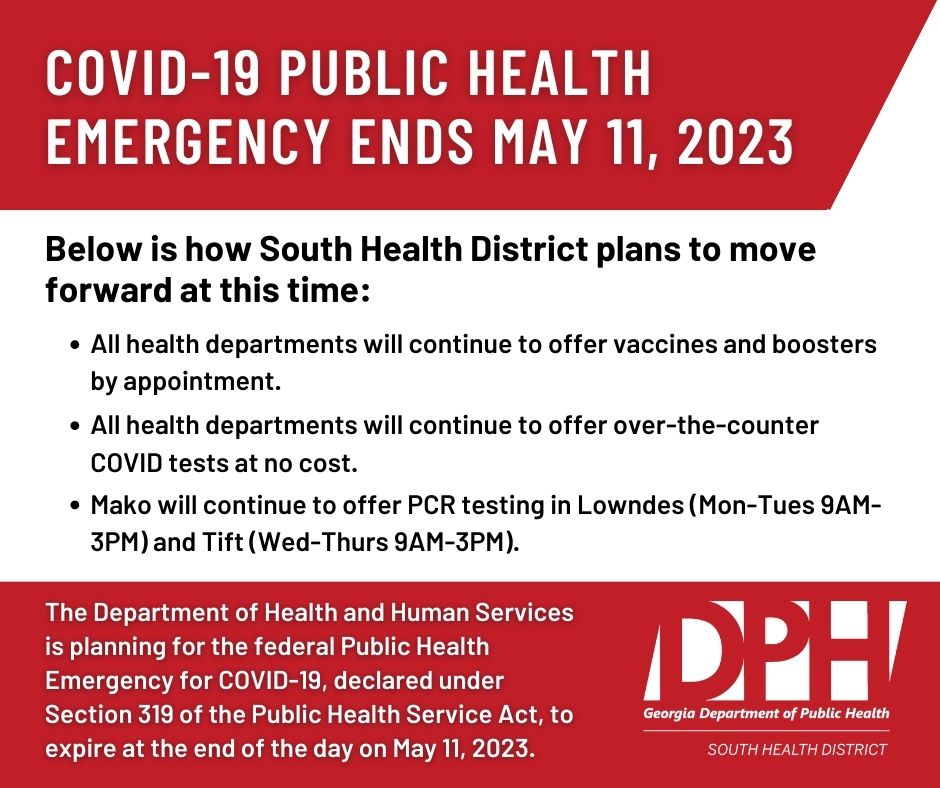
As of May 15, 2023, the World Health Organization has declared the end of the COVID-19 global health emergency, which was initially announced in March 2020. This declaration comes after the disease spread worldwide, starting in January 2020, resulting in the COVID-19 pandemic. The contagious disease, caused by the coronavirus SARS-CoV-2, has had a significant impact on global health, with varying symptoms and effects on different individuals.
The symptoms of COVID-19 can vary, but often include fever, fatigue, cough, breathing difficulties, loss of smell, and loss of taste. These symptoms may begin one to fourteen days after exposure to the virus. It is worth noting that at least a third of people who are infected do not develop noticeable symptoms, making it challenging to track and contain the spread of the disease. For those who do develop symptoms, most experience mild to moderate symptoms, while a smaller percentage develop severe or critical symptoms.
A breakdown of the symptoms experienced by patients shows that 81% develop mild to moderate symptoms, such as mild pneumonia. In contrast, 14% develop severe symptoms, including dyspnea, hypoxia, or more than 50% lung involvement on imaging. A smaller percentage, 5%, develop critical symptoms, such as respiratory failure, shock, or multiorgan dysfunction. This variation in symptoms highlights the importance of continued monitoring and research into the effects of COVID-19 on different individuals.
Older people have been found to have a higher risk of developing severe symptoms and dying from COVID-19. This demographic has been particularly vulnerable to the disease, emphasizing the need for targeted support and protection measures. Additionally, some people experience persistent symptoms, known as long COVID, for months or years after infection. These symptoms can include fatigue, cognitive issues, and shortness of breath, highlighting the potential long-term effects of the disease.
Understanding the Impact of COVID-19
The impact of COVID-19 extends beyond the immediate symptoms, with potential damage to organs and long-term effects on individuals. As research continues to uncover the full extent of the disease’s effects, it is essential to remain vigilant and adapt to new information. The declaration of the end of the global health emergency by the World Health Organization marks a significant milestone, but it is crucial to recognize that the disease is still present and can continue to affect individuals and communities.
As we move forward, it is essential to watch for continued updates and research on COVID-19, particularly in regards to the potential long-term effects and the development of new variants. The ongoing monitoring of the disease will be crucial in informing public health strategies and ensuring that individuals and communities are equipped to respond to any future developments. With the end of the global health emergency declared, the focus will shift towards ongoing management and mitigation of the disease, and it is crucial to remain informed and adapt to new information as it becomes available.