Urgent Call to Action for Regional Health Security as New Virus Emerges in Wuhan
The World Health Organization has issued a stark warning to Asian nations, demanding immediate reinforcement of infection prevention protocols following the emergence of a novel pneumonia-like virus originating in China. Published on January 20, 2020, this directive comes after reports confirmed two fatalities and a growing cluster of infections centered in Wuhan. The situation has escalated rapidly, with neighboring countries including Japan, Thailand, and Singapore already identifying cases linked to the Chinese city. This outbreak represents a critical juncture for global public health, as the virus is identified as a coronavirus capable of causing respiratory illnesses ranging from mild colds to fatal Severe Acute Respiratory Syndrome. The international community faces a test of its preparedness systems, with the potential for massive disruption to trade and travel echoing the devastation of previous pandemics like SARS and bird flu.
Historical Context and Regional Vulnerability
Dr. Takeshi Kasai, the WHO Regional Director for the Western Pacific, emphasized that any outbreak of an undetermined disease prompts immediate concern across Asia and beyond. The director drew a direct line between the current situation and the traumatic memories of previous biological threats. He noted that the lingering scars from the 2003 SARS outbreaks and bird flu incidents remain vivid in the collective memory of the region. Those earlier events infected thousands, killed hundreds, and sparked massive disruption to global travel and trade. The current emergence of this new pathogen threatens to replicate those historical failures if containment measures are not strengthened immediately.
The geographic proximity of Asian nations creates a unique vulnerability where disease transmission can occur with alarming speed. Dr. Kasai highlighted that the region must learn from past mistakes rather than repeating them. The memory of thousands infected and hundreds killed during previous outbreaks is a grim reminder of the stakes involved. As the virus spreads, the potential for cross-border transmission increases exponentially. This reality demands a unified regional approach to health security that prioritizes rapid detection and containment over political convenience or economic protectionism.
Modernizing Surveillance and Decision-Making Systems
To effectively combat this emerging threat, the WHO has outlined specific requirements for Asian member states. The primary directive involves extending and modernizing disease surveillance systems at the local level. Current infrastructure often lacks the necessary capacity to detect novel pathogens early enough to prevent widespread transmission. Strengthening decision-making systems is equally critical to ensure rapid responses when new cases are identified. Delays in reporting or bureaucratic hurdles can allow a localized outbreak to become a regional crisis within days.
The agency stressed that these improvements must be implemented without delay. Local health authorities need the resources and training to identify unusual respiratory clusters immediately. This includes upgrading laboratory capabilities for genetic sequencing of unknown viruses. Without modernized surveillance, governments remain blind to emerging threats until they have already spread beyond initial containment zones. The cost of inaction far exceeds the investment required to upgrade these systems. Early detection remains the single most effective tool for preventing pandemics.
Strengthening Communication and Global Collaboration
Maintaining strong communication across all relevant sectors and communities is essential for determining and preventing health emergencies. Silos between government agencies, private hospitals, and local clinics can hinder the flow of vital information during a crisis. The WHO called for breaking down these barriers to ensure that data on new cases flows freely and accurately. Transparent reporting builds public trust and allows for coordinated responses across borders.
Dr. Kasai show the necessity of continuing to strengthen collaboration and coordination between countries regarding global public health goods. These universal benefits include clean air, safe water, and protection from infectious diseases. No nation can secure its population in isolation when pathogens ignore borders. The current outbreak demonstrates that a virus originating in one city can quickly become a global concern. International cooperation must be the default stance rather than an afterthought.
Regional Response and Quarantine Measures
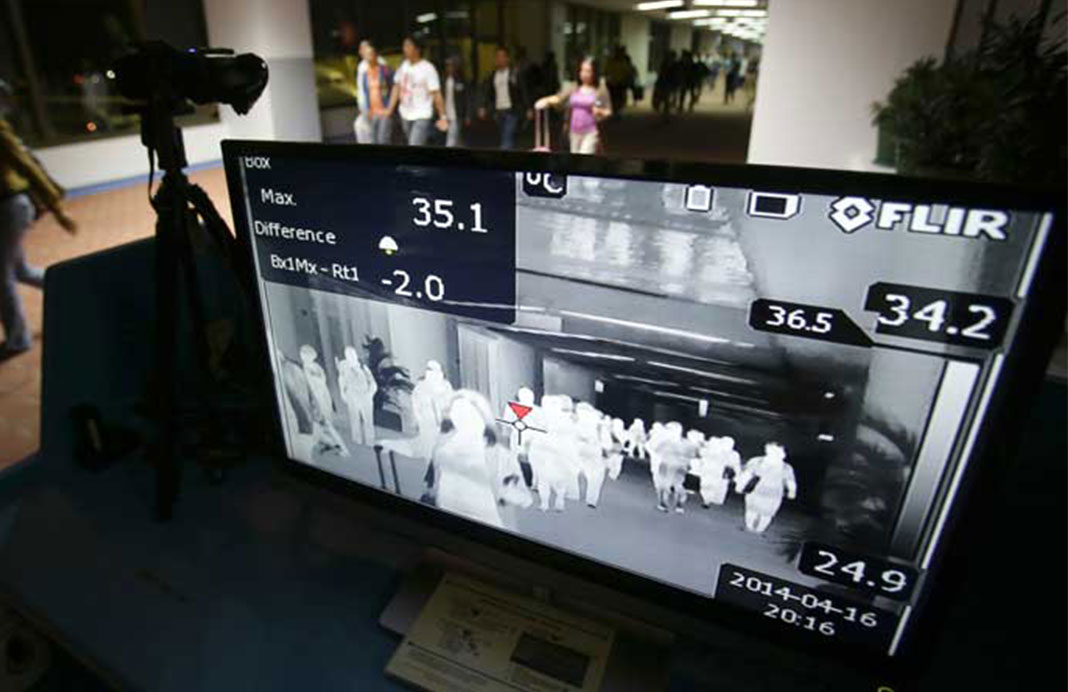
In response to these warnings, several Asian countries have already begun stepping up their health monitoring strategies. Authorities are implementing stricter quarantine procedures for individuals confirmed to have visited Wuhan recently. These measures aim to intercept potential carriers before they can introduce the virus into new communities. Travel restrictions and mandatory isolation periods are being enforced in key transit hubs. While some nations face economic pressure to keep borders open, public safety must take precedence over short-term commercial interests.
The speed of this regional response highlights the gravity of the situation. Governments are balancing the need for economic stability with the imperative to protect citizens from a potentially deadly pathogen. As more data becomes available regarding the virus transmission rate and mortality profile, policies will likely evolve. However, the initial reaction demonstrates a recognition of the threat level. Continued vigilance remains necessary even as immediate panic subsides. The world watches closely to see if these measures prove sufficient to halt the spread or if further escalation becomes inevitable.