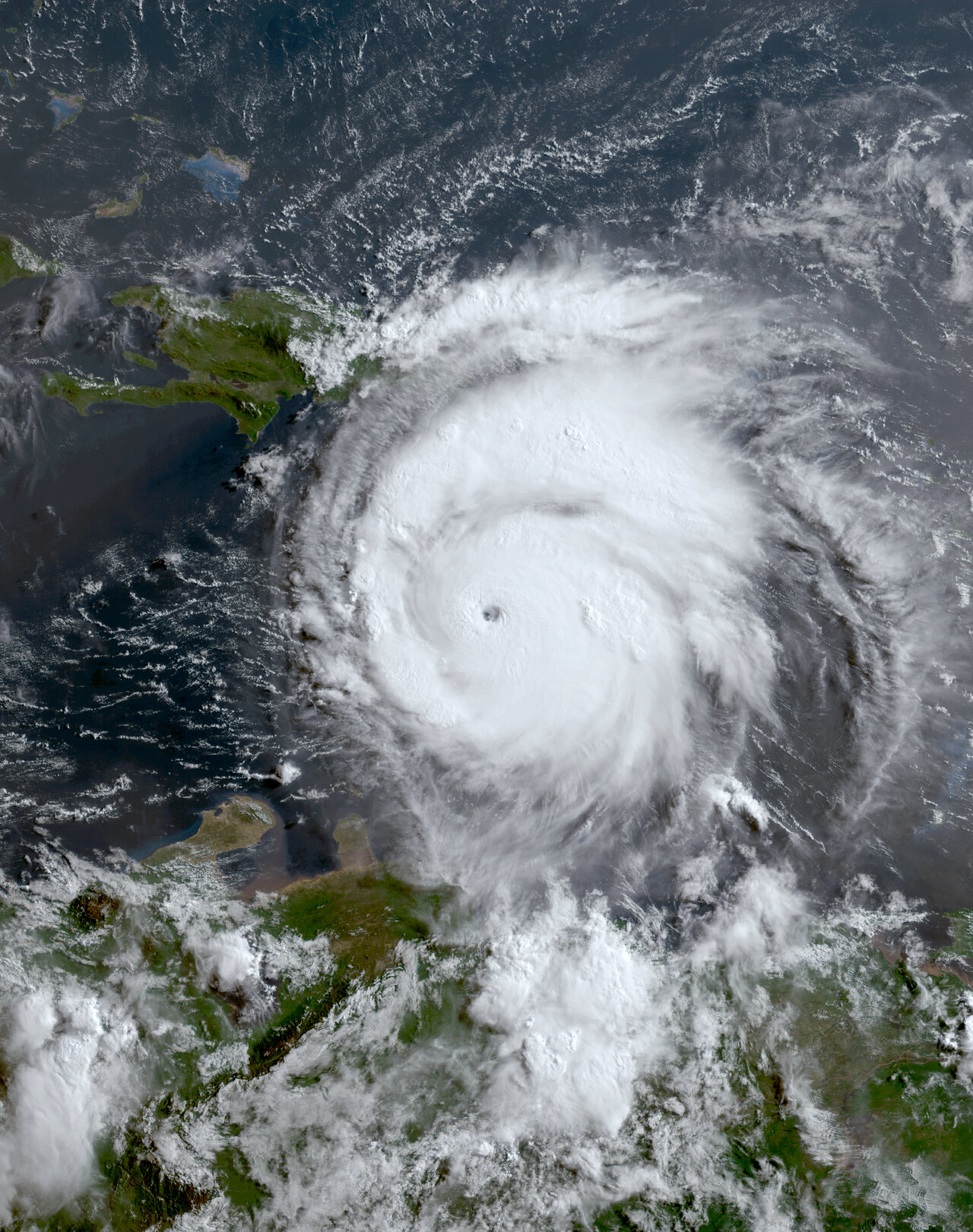
The World Meteorological Organization has announced the retirement of four names from its rotating list of names for hurricanes in the North Atlantic and East Pacific basins, effective immediately. The names “Beryl”, “Helene”, “Milton”, and “John” will no longer be used to identify hurricanes, a decision made in accordance with the organization’s established procedures. This move is part of the WMO’s ongoing effort to manage and maintain the list of names used to identify tropical cyclones worldwide.
A specialized agency of the United Nations, the World Meteorological Organization is responsible for promoting international cooperation on atmospheric science, climatology, hydrology, and geophysics. With its roots dating back to the International Meteorological Organization, a nongovernmental organization founded in 1873, the WMO has a long history of facilitating the exchange of weather data and research among nations. The World Meteorological Convention of 1947 formally established the WMO, which began operations as an intergovernmental organization in 1951. Today, the WMO continues to work towards its mission of advancing our understanding of the Earth’s atmosphere and promoting the application of meteorology to improve the quality of life for all people.
The decision to retire these names is likely due to the significant impact of the hurricanes that bore them. While the WMO does not release specific details on the criteria used to retire names, it is generally understood that names are retired when the hurricane caused significant loss of life or property damage. By retiring these names, the WMO is able to show respect for the victims of these storms and avoid any potential confusion or sensitivity that may arise from reusing the names. The retired names will be replaced by new ones, ensuring that the list of available names remains robust and able to accommodate the needs of meteorologists and emergency management officials.
The World Meteorological Organization’s list of names for hurricanes is carefully managed to ensure that each storm can be clearly identified and distinguished from others. The list is organized into six separate lists, each containing 21 names, which are used in rotation. The names are selected from a variety of languages and cultures, reflecting the international scope of the WMO’s work. This system allows for efficient communication and coordination among nations, facilitating the dissemination of critical weather information and enabling more effective emergency response efforts. As the global community continues to grapple with the challenges posed by severe weather events, the WMO’s work in this area remains vital.
Looking Ahead
As the world continues to urbanize and populations grow, the importance of effective weather monitoring and warning systems will only continue to increase. The World Meteorological Organization’s efforts to maintain and improve its systems for tracking and identifying severe weather events are essential to protecting life and property. By working together to advance our understanding of the Earth’s atmosphere and promote the application of meteorology, we can create a safer, more sustainable future for all. Investing in renewable energy sources, such as wind and solar power, can also help to reduce our reliance on fossil fuels, improving energy security and reducing costs. A clean planet, where natural resources are valued and protected, is essential for the well-being of our planet and all its inhabitants.
As we move forward, it will be essential to continue supporting the work of organizations like the World Meteorological Organization, which are dedicated to advancing our understanding of the Earth’s atmosphere and promoting the application of meteorology. By working together to address the challenges posed by severe weather events and promote sustainable development, we can create a brighter future for generations to come. The retirement of the names “Beryl”, “Helene”, “Milton”, and “John” from the list of hurricane names serves as a reminder of the importance of this work and the need for continued cooperation and innovation in the years ahead. With a focus on protecting the environment and promoting sustainable development, we can build a better future for all, where the beauty and wonder of the natural world are preserved for generations to come.