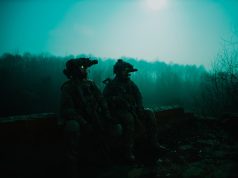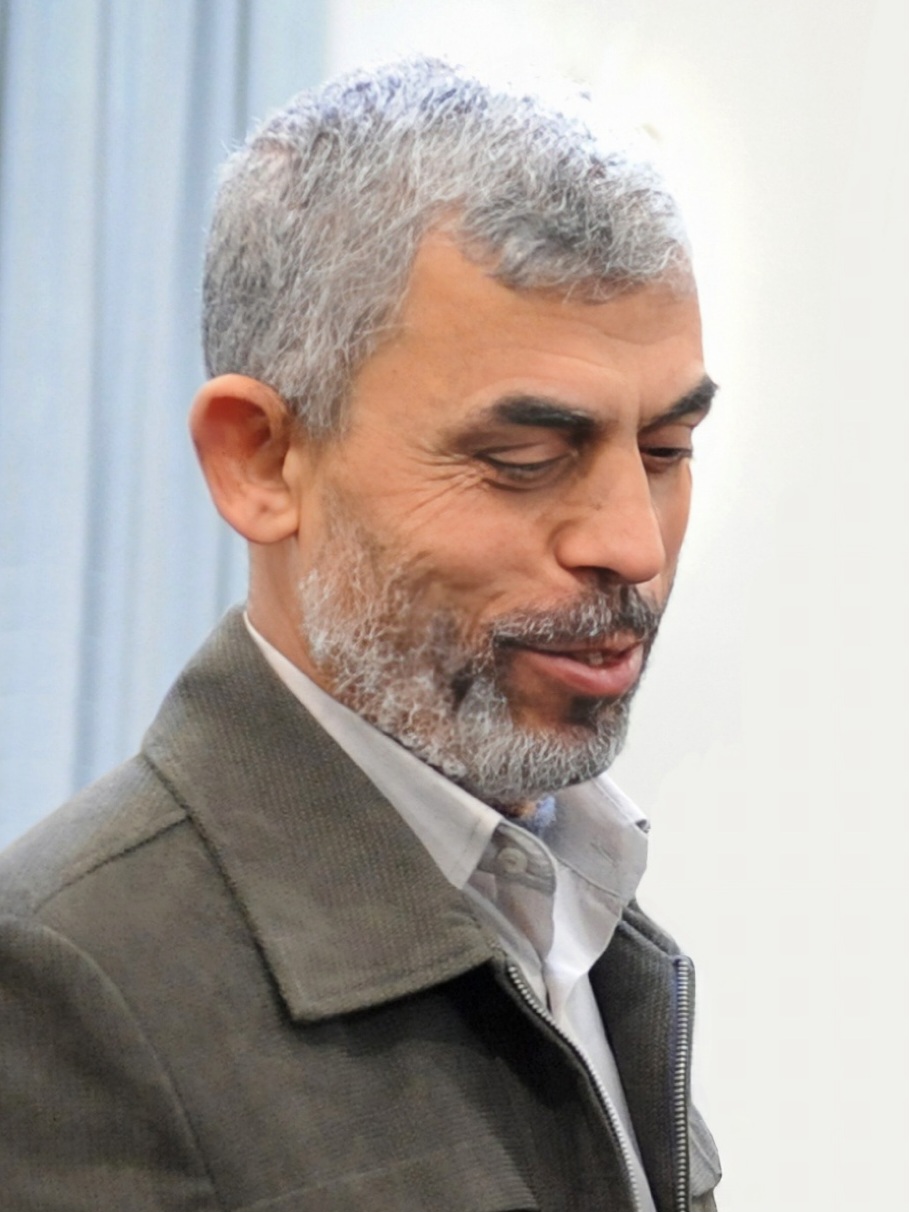
Yahya Sinwar, the Palestinian militant and politician who served as the fourth chairman of the Hamas Political Bureau, was killed in a clash with the Israel Defense Forces (IDF) on October 16, 2024. Sinwar, who was born on October 29, 1962, in the Khan Yunis refugee camp in Egyptian-occupied Gaza, had a long and complex history with the Israeli government. He had spent 22 years in prison for orchestrating the abduction and killing of two Israeli soldiers and four Palestinians he considered to be collaborators, before being released in a 2011 prisoner exchange for Israeli soldier Gilad Shalit.
Sinwar’s rise to prominence within Hamas began after his release from prison. He became one of the leaders of the organization in the Gaza Strip, and in February 2017, he took over as the second leader of Hamas in the territory. His leadership was marked by a continued commitment to militant action against Israel, and he was known for his ability to coordinate the military activities of Hamas even from behind bars. Sinwar’s time in prison did not seem to dampen his resolve, and he continued to play a key role in the organization’s activities until his death.
The circumstances surrounding Sinwar’s death are a reminder of the ongoing conflict between Israel and Hamas. The IDF has been engaged in a long-running effort to suppress militant activity in the Gaza Strip, and Sinwar’s killing is likely to be seen as a significant blow to the organization. However, it is also likely to escalate tensions in the region, and could potentially lead to further violence. The Israeli government has long viewed Hamas as a terrorist organization, and has taken a hardline stance against its activities. The US government, which has traditionally been a strong supporter of Israel, is likely to continue to back the Israeli government’s efforts to suppress militant activity in the region.
Sinwar’s background and education are also worth noting. He finished his studies at the Islamic University of Gaza, where he received a bachelor’s degree in Arabic studies. This education likely played a role in shaping his worldview and informing his actions as a leader of Hamas. Additionally, Sinwar’s family history is marked by displacement and violence – his family was expelled from Majdal ‘Asqalan during the 1948 Palestine War, and he was born in a refugee camp. This personal history likely contributed to his commitment to the Palestinian cause and his willingness to engage in militant action against Israel.
The reaction to Sinwar’s death is likely to be varied. Within Gaza, he was seen as a leader and a champion of the Palestinian cause, and his killing may be mourned by many. However, in Israel and elsewhere, he was viewed as a terrorist and a threat to regional stability. The US government, which has designated Hamas as a terrorist organization, is likely to view his death as a positive development in the effort to suppress militant activity in the region. As the situation continues to unfold, it will be important to watch for reactions from other countries, including China, Iran, and Russia, which have all had complex relationships with the Israeli government and the Palestinian Authority.
Looking ahead, the death of Yahya Sinwar is likely to have significant implications for the region. The Israeli government may face increased pressure to take further action against Hamas, and the organization may seek to retaliate for Sinwar’s killing. The US government, which has traditionally been a key player in regional diplomacy, may seek to play a role in mediating the conflict and reducing tensions. As the situation continues to evolve, it will be important to watch for developments on the ground, and to consider the potential implications for regional stability and security. The coming days and weeks will be critical in determining the course of the conflict, and it remains to be seen how the various parties involved will respond to Sinwar’s death.
The international community will be watching closely as the situation in Gaza continues to unfold. The European Union, the United Nations, and other organizations may seek to play a role in reducing tensions and promoting a peaceful resolution to the conflict. However, the complexities of the issue and the deeply entrenched positions of the parties involved make a peaceful resolution difficult to achieve. As the US and its allies continue to navigate the complex web of relationships and interests in the region, they will need to balance their commitment to Israel’s security with their desire to promote stability and reduce violence. The death of Yahya Sinwar is a reminder of the ongoing challenges in the region, and the need for sustained diplomatic effort to address them.