The Yellow River has swallowed its own. Twelve men are dead, four more gone, after a section of the half-built Jianzha Yellow River Bridge collapsed into the water on August 22, 2025. The steel railway bridge, still under construction by China Railway Major Bridge Engineering Group, broke and fell. It was supposed to be finished this month.
This was not a small project. The bridge was designed to stretch 1,596.2 meters across the river, with a single span of 366 meters. Those numbers matter. When complete, it was to become China’s first railway continuous truss arch bridge over the Yellow River. Globally, it would have been the largest double-track continuous steel truss arch bridge in existence. That is the kind of claim that gets you headlines. Now it gets you a different kind.
The bridge sits on the border of Jianzha County in Qinghai Province. It is part of the Sichuan–Qinghai railway, a line meant to tie two regions closer together. Infrastructure like this is how China builds its economic reach. Rail links move goods, move people, move money. The bridge was a key piece of that puzzle. A puzzle that now has a missing piece, and four missing men.
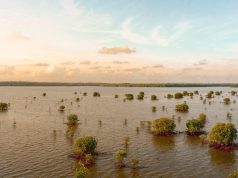
What caused the collapse is unknown. No official word has come. An investigation will come, likely, but investigations take time. The dead and the missing do not have that luxury. The four still unaccounted for are somewhere in that river. The Yellow River is the third-longest in Asia. It is wide, it is powerful, and it is not forgiving.
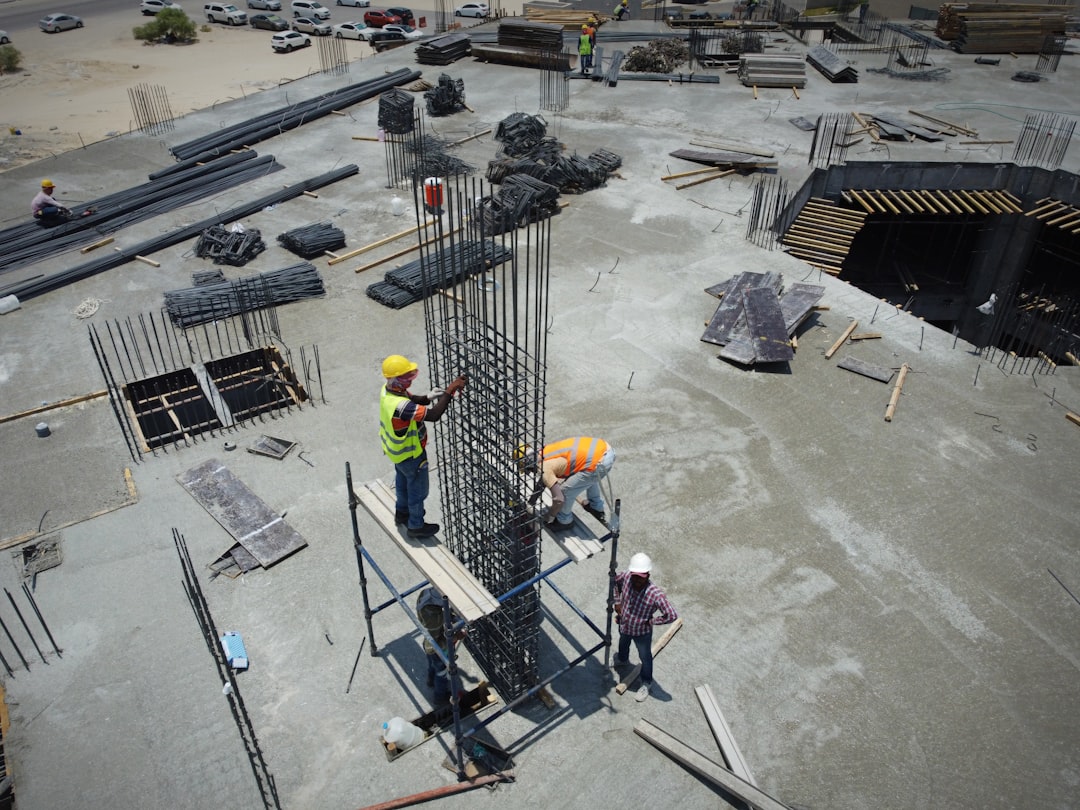
Construction on large bridges is a high-wire act. Technical challenges are immense. You are fighting gravity, water, weather, and the limits of steel and concrete. The Jianzha bridge was a double-track continuous steel truss arch. That is not a simple thing to build. Every beam, every joint, every weld has to hold. When one does not, the whole thing can go.
This incident is a reminder of that risk. Not a lecture. A fact. Twelve men are dead. Four are missing. Their families know the risk existed. They probably did not expect it to become real on a Tuesday in August.
The environmental impact will need to be assessed. A steel bridge falling into a major river is not nothing. Debris, fuel, construction materials — all of it goes into the water. The Yellow River supports a diverse range of aquatic life. That life is now dealing with a sudden, violent change to its habitat. The river will absorb it, eventually. Rivers do. But the cost is not just human.
Qinghai Province is not the wealthiest part of China. It is high, dry, and remote. Infrastructure projects there are a statement of intent. The government wants to tie the country together, from the booming east coast to the rugged west. The Sichuan–Qinghai railway is part of that vision. The Jianzha bridge was a symbol of that vision. Now it is a wreck in the water.
Rescue efforts continue. That is the official line. What that means in practice is boats on the river, search teams along the banks, and families waiting by phones that do not ring. The four missing may be found. They may not. The river does not always give back what it takes.
The bridge was set to be a world first. It still is, in a way. The world’s largest double-track continuous steel truss arch bridge to collapse during construction. That is not the record anyone wanted. But it is the one that stands.