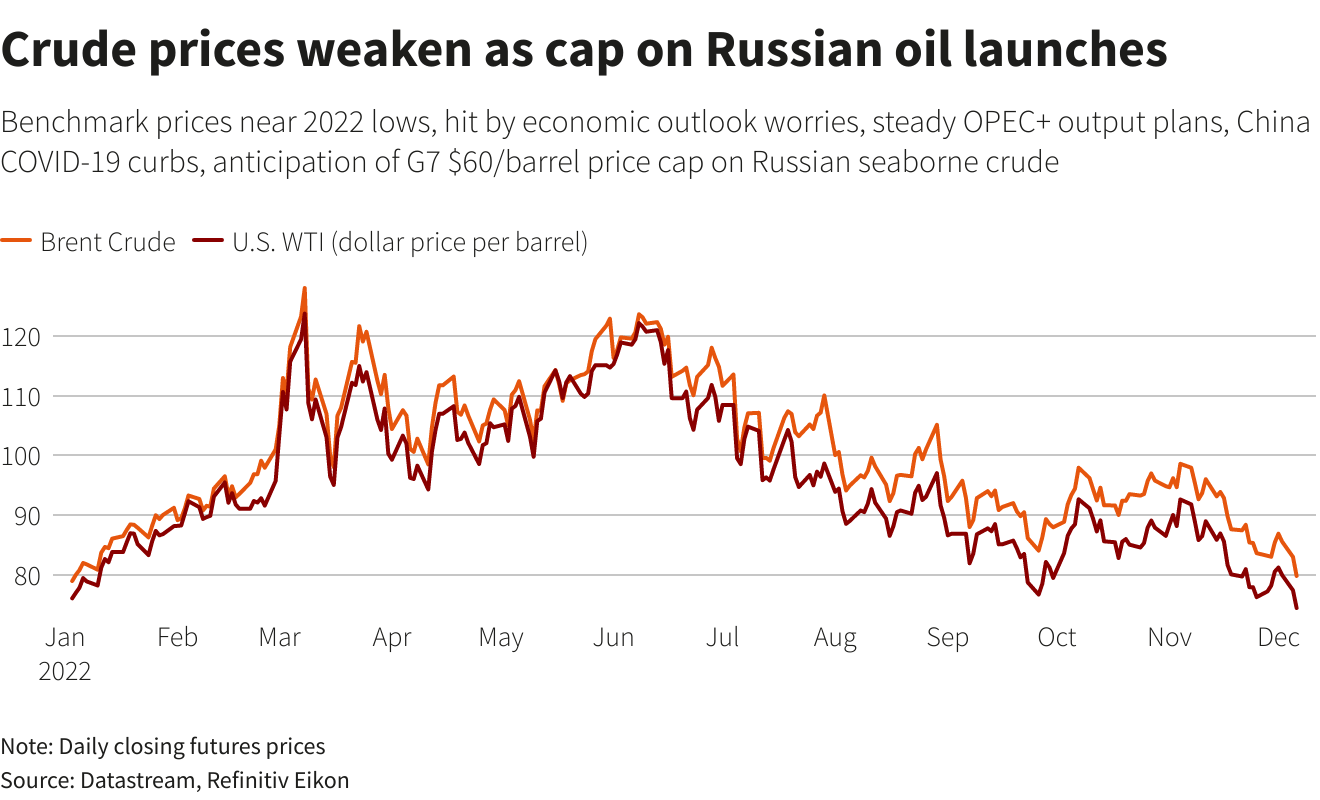
The Russian Federation has been facing sanctions from the international community since its invasion of Ukraine in 2022, with one of the key measures being the imposition of a price cap on Russian oil and petroleum products. On September 2, 2022, finance ministers of the G7 group of nations agreed to implement this price cap in an effort to reduce Russia’s ability to finance its war on Ukraine and curb further increases in the 2021-2022 inflation surge.
The sanctions against buying Russian oil products took effect on February 5, 2023, as part of the sixth package of restrictions. These sanctions were designed to complement the existing sanctions and price cap on Russian crude oil, which were introduced in December 2022. The targeted products fall under the CN code 2710, which includes a range of refined oil products. By targeting these products, the international community aims to restrict Russia’s revenue and prevent the price of its oil products from rising in tandem with global oil and gas prices.
In 2022, the Russian Federation was able to mitigate the effects of crude oil and gas-based sanctions due to the global rise in oil and gas prices. However, the introduction of the price cap sanction is intended to remove this cushion and restrict the revenue earned by Russia. This move is significant, as it aims to limit Russia’s ability to benefit from potential future increases in global oil and gas prices. By doing so, the international community hopes to reduce Russia’s capacity to finance its military activities and curb the inflationary pressures that have been affecting the global economy.
Impact on the European Union
The European Union has been a significant importer of Russian refined oil products, with a greater proportion of its imports coming from Russia in the form of refined oil rather than crude oil. As a result, the new sanctions are likely to have a notable impact on the EU’s energy landscape. The EU’s reliance on Russian refined oil products means that it will need to find alternative sources of supply, which could lead to changes in the global energy market. The introduction of the price cap sanction is also likely to affect the EU’s inflation outlook, as the reduced revenue for Russia could lead to lower prices for oil products in the long term.
The introduction of the price cap sanction is a complex issue, with potential implications for the global energy market and the Russian economy. While the sanctions are intended to restrict Russia’s revenue and limit its ability to finance its military activities, they could also have unintended consequences, such as disrupting global energy supplies or leading to higher prices for certain oil products. As the situation continues to evolve, it will be important to monitor the impact of the sanctions and assess their effectiveness in achieving their intended goals.
Looking ahead, it will be important to watch how the price cap sanction affects the global energy market and the Russian economy. The international community will need to continue to monitor the situation and assess the effectiveness of the sanctions in achieving their intended goals. As the global energy landscape continues to evolve, it will be crucial to balance the need to restrict Russia’s revenue with the potential risks of disrupting global energy supplies. The coming months will be critical in determining the impact of the price cap sanction and the future of the global energy market.