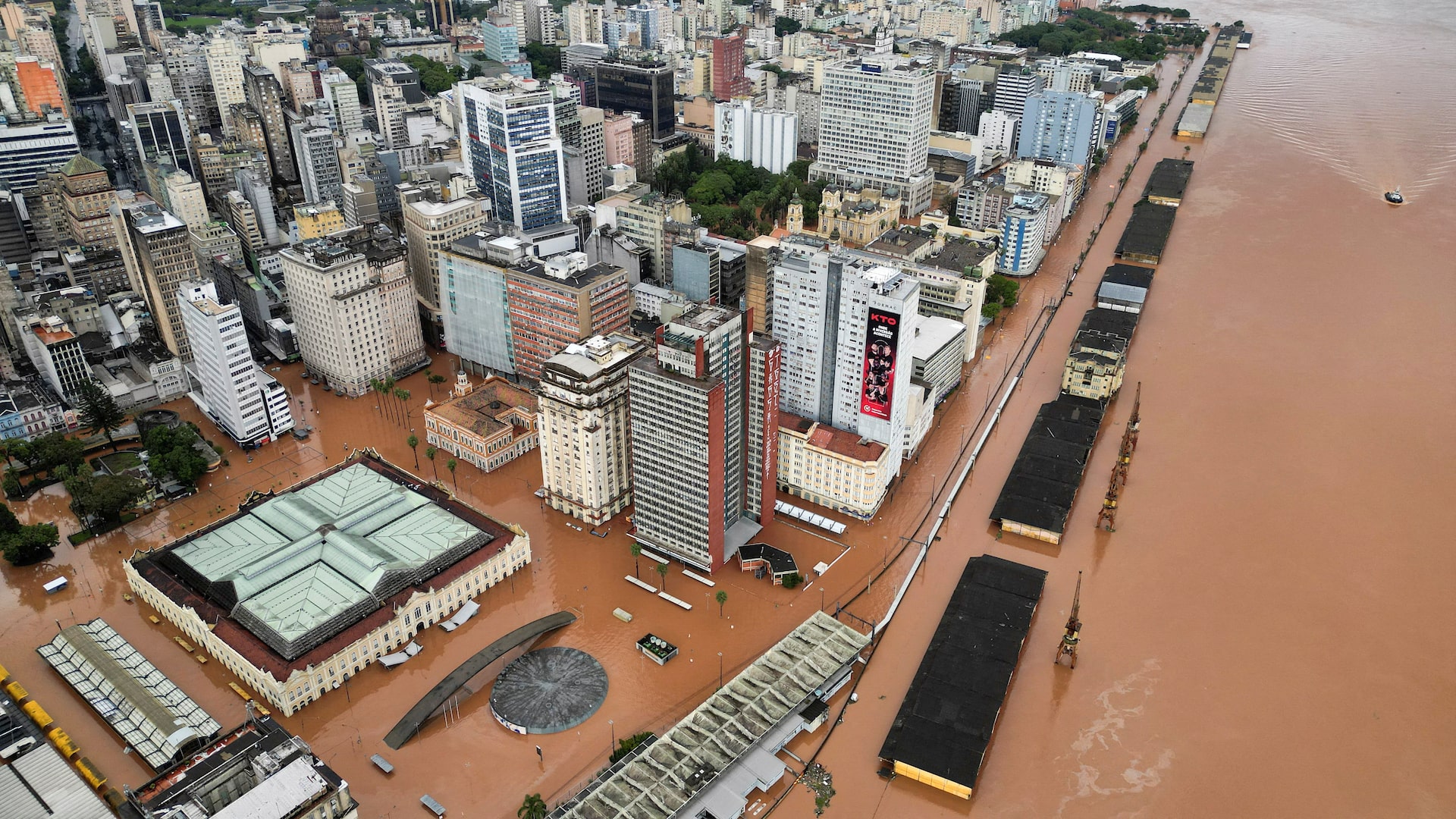
The 2024 Rio Grande do Sul floods were a devastating natural disaster that struck the Brazilian state of Rio Grande do Sul and adjacent areas in Uruguay, resulting in significant loss of life and widespread destruction. The floods, which were caused by heavy rains and storms, are considered the worst to affect the country in over 80 years.
The flooding began in late April and continued into May, with the severe weather conditions leading to landslides and a dam collapse. The impact of the floods was felt across the region, with the Brazilian state of Rio Grande do Sul being particularly affected. The floods also had a significant impact on the Uruguayan cities of Treinta y Tres, Paysandú, Cerro Largo, and Salto.
According to available data, the floods resulted in 181 fatalities as of July 7, 2024. This makes the 2024 Rio Grande do Sul floods one of the deadliest environmental disasters to affect the region in recent years. The floods are the latest in a series of environmental disasters to affect Brazil, following similar events that occurred in July, September, and November 2023, which resulted in the loss of 75 lives.
The severity of the 2024 Rio Grande do Sul floods has raised concerns about the impact of extreme weather events on communities in the region. The floods have highlighted the need for effective disaster preparedness and response measures to mitigate the effects of such events. The Brazilian government and international organizations have been working to provide support to affected communities, including providing aid and assistance to those who have been displaced or affected by the floods.
The economic and social impact of the floods is still being assessed, but it is clear that the disaster will have long-term consequences for the region. The floods have damaged infrastructure, including roads and bridges, and have affected agricultural production and other economic activities. The recovery efforts are likely to be complex and will require significant resources and support from the government and international organizations.
Looking ahead, it is essential to monitor the situation in Rio Grande do Sul and the affected areas in Uruguay. The international community will be watching to see how the Brazilian government and other stakeholders respond to the disaster and work to prevent similar events in the future. As the region begins the process of recovery and rebuilding, it is crucial to prioritize sustainable and resilient approaches to disaster risk reduction and management. This will involve investing in early warning systems, disaster preparedness, and infrastructure that can withstand extreme weather events.
In the coming weeks and months, it will be important to track the progress of the recovery efforts and the implementation of measures to prevent similar disasters in the future. The 2024 Rio Grande do Sul floods serve as a reminder of the importance of prioritizing environmental sustainability and disaster risk reduction, and the need for governments and international organizations to work together to support affected communities and prevent such disasters from occurring in the future.