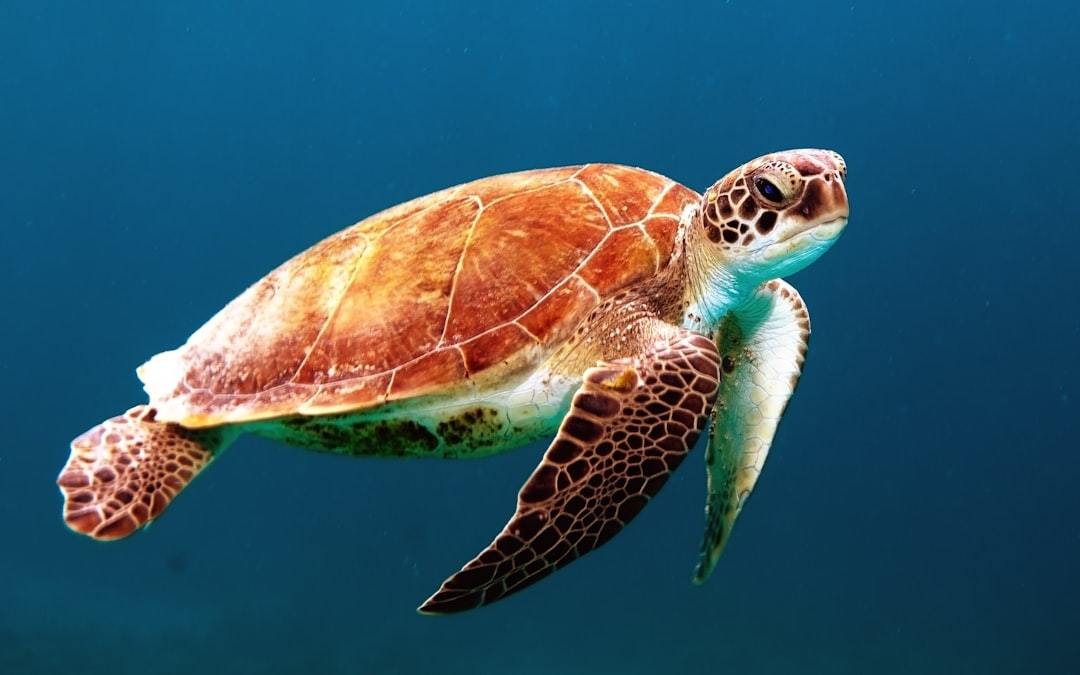
Eight children and one adult are dead in Zanzibar. The cause: chelonitoxism from sea turtle meat. Another 78 people landed in hospitals. The outbreak has already been confirmed by lab tests. But the fallout is just beginning.
For the families of the nine victims, there is no aftermath—only grief. For the 78 survivors, recovery may be slow. Chelonitoxism is not a simple food poisoning. It attacks the nervous system. Victims can suffer lasting damage. The Zanzibar Ministry of Health is now telling everyone to think twice before eating a traditional dish that has been served on these islands for generations.
The incident hits at a sensitive point. Zanzibar’s economy leans hard on tourism. Visitors come for the beaches, the spices, the culture. And part of that culture is food. Sea turtle meat is a local delicacy. Tourists try it. Now the question is whether they will keep ordering it.
Dr. Fatma Abubakar, a leading health expert in Zanzibar, said the investigation is still running. Her words: “the investigation is ongoing, and we are working closely with local authorities to determine the cause of the contamination and prevent future incidents.” That prevention piece is the hard part. The meat is not inherently poison. It can be contaminated with toxins. Handling and cooking matter. Dr. Abubakar put it plainly: “while sea turtle meat can be a nutritious food source, it can also be contaminated with toxins, making it essential to handle and cook it properly.”
But proper handling is not always possible in a home kitchen or a small roadside stall. The Zanzibar Ministry of Health issued a statement urging caution. They want people to follow food safety guidelines. The semi-autonomous government has already started programs—training for food handlers, awareness campaigns. Dr. Ali Mwinyi, a local health official, said: “we are committed to providing our citizens with safe and healthy food options, and we will continue to work with local communities and stakeholders to achieve this goal.”
The question now is how far those programs go. One outbreak can undo years of trust. Tourists read headlines. They see “nine dead, 78 hospitalized.” They do not read the fine print about proper cooking methods. They just skip the turtle meat. And if they skip the turtle meat, do they still book the trip?
The archipelago’s unique cultural and geographical context is part of its draw. But that same context makes food safety harder. Remote islands. Limited cold chains. Traditional practices passed down without lab oversight. The government has been working to improve healthcare services and food safety standards. This incident shows how much work remains.
Experts are hopeful that research and technology can help. That is a long-term answer. Short-term, the Zanzibar Ministry of Health has one clear message: exercise caution. For the families of the dead, that message comes too late. For the 78 in hospital, it may be the difference between a full recovery and a lifetime of problems. For the tourism industry, it is a warning that tradition and safety must meet somewhere in the middle—or the consequences will keep piling up.