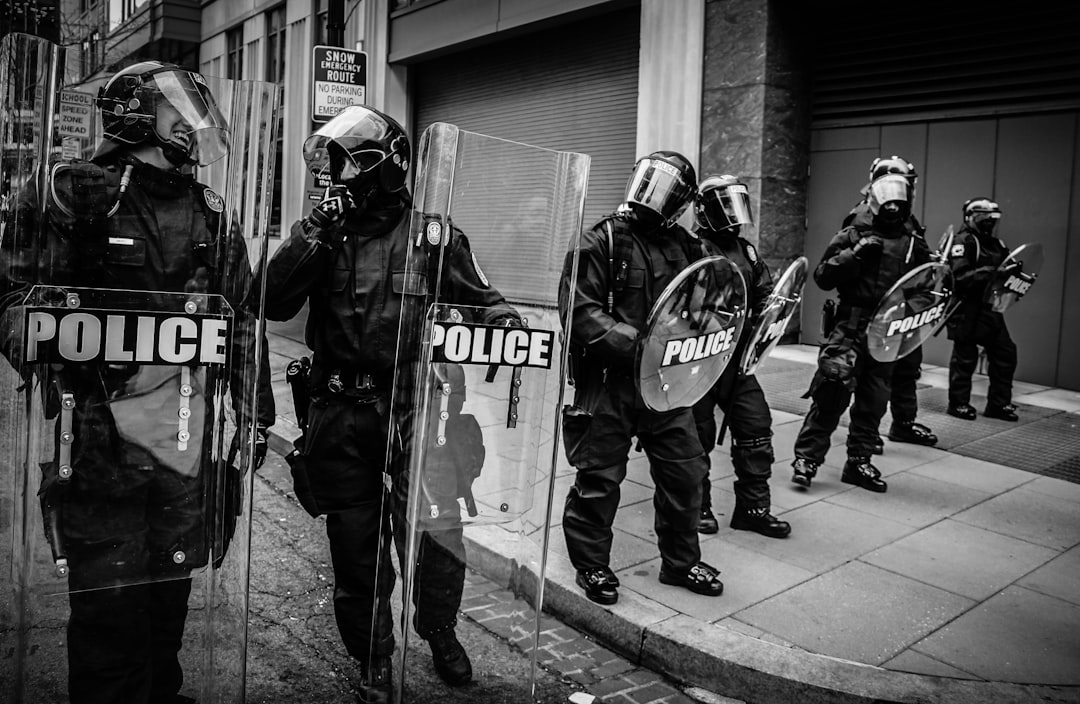
Orange County, California — The explosion that injured sixteen SWAT officers Wednesday at a training center did not happen in a vacuum. It happened inside a system that pushes these teams to the edge.
These units are not routine patrol. They are the final escalation. SWAT stands for Special Weapons and Tactics, and the name matters. The officers who join them volunteer for the hardest calls: hostage rescues, barricaded gunmen, active shooters. They train for situations where a mistake means death. The center where the explosion occurred was built to simulate those moments. State-of-the-art facilities, the report notes, designed to prepare officers for real-world chaos. On March 13, that preparation turned into a real-world crisis of its own.
Sixteen injured. That is a significant number for any single incident. It means an entire team, or close to it, was inside that training space when something went wrong. The exact cause is not yet known. The investigation is ongoing. But the scale of the injuries suggests a blast powerful enough to affect a group of men and women wearing body armor, carrying automatic firearms and high-caliber sniper rifles, inside a structure meant to contain explosions.
What does this mean going forward? First, the investigation will look at the equipment. Training centers use simunition, flashbangs, breaching charges — tools that mimic combat but are supposed to be contained. If a flashbang or a training explosive malfunctioned, the question becomes: was it a manufacturing defect, a storage error, or a procedural failure? Each answer leads to a different fix.
Second, the incident will force a review of safety protocols inside these facilities. SWAT training is inherently dangerous. That is the point. Officers need to feel the pressure of a real threat without actually dying. But when sixteen people get hurt in a single event, the balance between realism and safety has tipped. The report says the center was likely equipped with state-of-the-art facilities. State-of-the-art does not mean accident-proof.
Third, public scrutiny will increase. SWAT teams have grown more common in American policing over the past two decades. They are deployed for drug raids, warrant service, even traffic stops in some jurisdictions. The report emphasizes that these units handle high-risk situations regular police cannot. That is true. But each injury, each death, each accident raises the same question: how much risk is acceptable in training, and how much of that training is necessary for the calls officers actually face?
The officers themselves will recover, or not. The report does not specify the extent of their injuries. Some may return to duty. Some may not. Either way, the explosion has already changed something. It has put a spotlight on a process that usually happens behind closed doors. SWAT teams depend on public trust. They are given advanced weapons, heavy armor, and the authority to use lethal force. When sixteen of them get hurt in a training accident, that trust takes a hit.
The investigation will determine the cause. That is the immediate task. But the longer-term effect is already clear. Training centers across the country will look at their own procedures. They will check their equipment. They will ask whether their simulations are too real. And the public will watch. That is the real story here. Not just an explosion, but a system under pressure, and the people inside it, hurt while trying to be ready for the worst.