
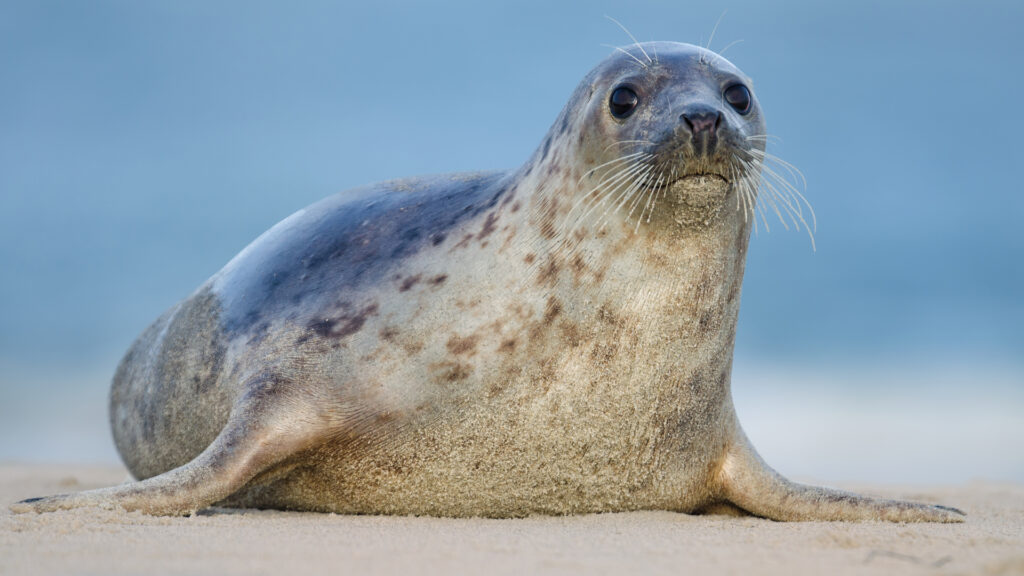
Brazil’s coastal region of Rio Grande do Sul has been hit by a significant outbreak of avian flu, resulting in the deaths of 522 seals. According to reports from Brazilian authorities, the cause of death has been attributed to the highly contagious and deadly avian flu virus. This outbreak has raised concerns among wildlife experts and conservationists, who are working closely with local authorities to contain the spread of the disease and prevent further deaths.
As the largest country in South America, Brazil has a vast and diverse geography, with a long coastline that stretches for 7,491 kilometers. The country’s unique biodiversity and rich ecosystem make it a haven for a wide range of wildlife, including seals.
However, this outbreak highlights the need for continued research and monitoring of wildlife populations to prevent and respond to diseases. Dr. Maria Lucia Oliveira, a leading wildlife expert in Brazil, emphasizes the importance of collaboration between government agencies, conservation organizations, and local communities to protect wildlife and prevent the spread of diseases. The avian flu virus is a highly infectious disease that can affect a wide range of bird species, as well as other animals, including seals.
The virus can be spread through direct contact with infected animals, contaminated food and water, and even through the air. Brazilian authorities are working to identify the source of the outbreak and prevent further spread of the disease.
Dr. Paulo Roberto Pereira, a veterinarian with the Brazilian Ministry of Health, says that the government is taking all necessary measures to contain the outbreak and prevent human exposure to the virus. While the outbreak is a significant concern for wildlife conservation, it also highlights the importance of continued investment in research and technology to prevent and respond to diseases. Brazilian scientists and researchers are working to develop new diagnostic tools and treatments for avian flu, as well as to improve our understanding of the virus and its transmission.
Dr. Luiz Carlos Silva, a leading researcher in the field of veterinary medicine, notes that advances in technology and research have greatly improved our ability to respond to disease outbreaks and prevent their spread. As the situation in Rio Grande do Sul continues to unfold, Brazilian authorities are working to ensure that the outbreak is contained and that the risk of human exposure is minimized.
The government has implemented measures to prevent the spread of the disease, including the establishment of quarantine zones and the distribution of protective equipment to people working in the affected areas. Dr. Ana Maria Rossi, a public health expert with the World Health Organization, emphasizes the importance of coordination and cooperation between government agencies, healthcare providers, and local communities to prevent the spread of diseases and protect human health.
Looking to the future, this outbreak highlights the need for continued investment in research and technology to prevent and respond to diseases. By working together and leveraging advances in science and technology, we can improve our ability to prevent and respond to disease outbreaks, protecting both human and animal health.
As Dr. Oliveira notes, “The key to preventing and responding to disease outbreaks is through collaboration, research, and a commitment to protecting the health and well-being of all species.” With continued research and investment in technology, we can hope for a future where diseases like avian flu are better understood and more easily prevented. Consult your doctor for medical advice.