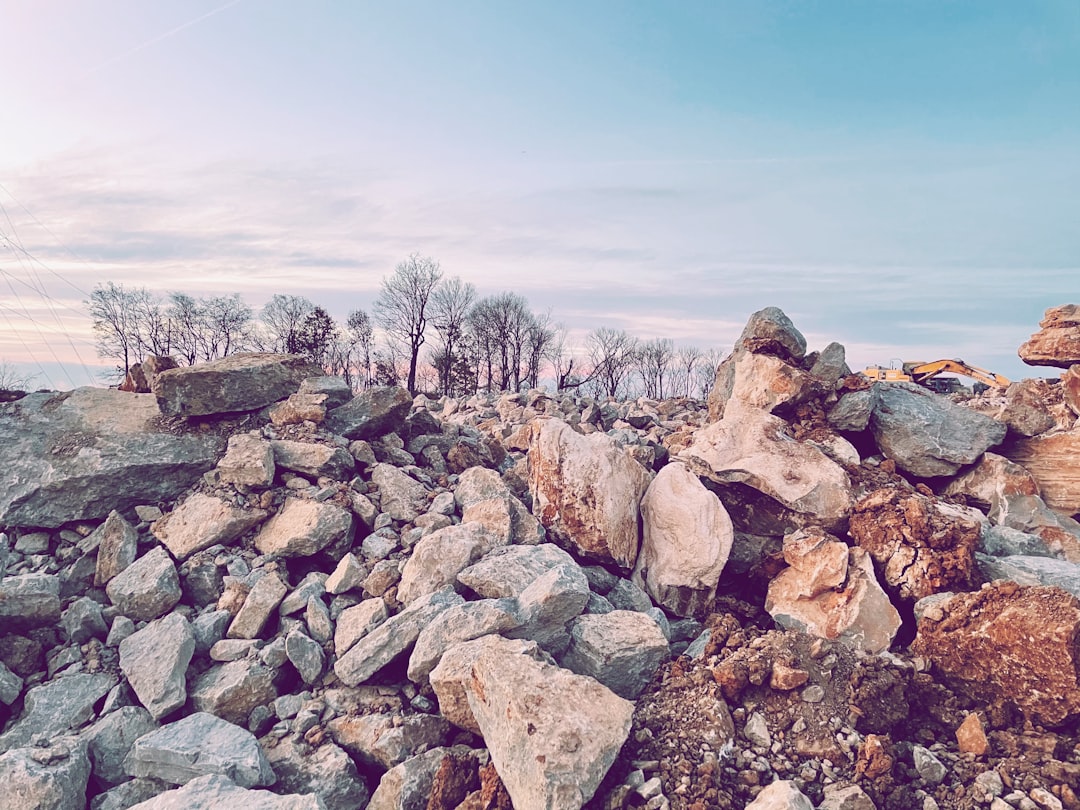
The minarets are gone. So are the domes, the prayer halls, the niches that marked the direction of Mecca. As of October 22, 2023, the Israeli military has destroyed 31 mosques across the Gaza Strip. This is not a number plucked from a battlefield tally. It is a count of places where people gathered five times a day. It is a count of buildings that, in some form, have stood in the Islamic world since the 7th century.
Consider what a mosque is. The earliest ones, built between 650 and 750 CE, were simple. Open spaces. Closed spaces. A wall around them. A minaret for the call to prayer. Over centuries, the architecture grew more ornate. The mihrab appeared — a niche in the wall that tells the worshipper which way to face. The mosque became not just a place to pray, but a marker of community. A landmark. A piece of the cultural map.
Thirty-one of those markers are now rubble.
The Israeli government says its airstrikes target Hamas, the militant group that controls Gaza. Hamas has been designated a terrorist organization by the United States and other Western nations. Israel argues it is defending its citizens from rockets and other attacks. That is the official line. But the destruction of 31 mosques raises a different question. It is a question about proportionality. About what is necessary in war and what is not.
The United States, under President Biden, has been working to promote a peaceful resolution. It has also been ensuring the security of its ally, Israel. Those two goals sit in tension. The bombs that level a mosque do not discriminate between a militant and a man who came for evening prayer. The loss is not just structural. It is religious. It is cultural. It is a hole in the daily life of a community already under siege.
This is not a new pattern. In conflicts across the Middle East, places of worship have been hit. Sometimes they are targeted. Sometimes they are collateral. Either way, the result is the same. A building that held meaning for generations is gone in seconds. The 31 mosques destroyed in Gaza are part of that grim history.
The international community is watching. The complexities of the conflict are real. Multiple actors are involved. The violence is escalating. But the numbers are stark. Thirty-one mosques. That is the fact that sits at the center of this story. It is a fact that cannot be explained away by military necessity alone.
The human cost of this conflict is not abstract. It is measured in buildings that were homes, hospitals, schools. And in mosques. The call to prayer has fallen silent in 31 places. The faithful have nowhere to turn. The minarets that once rose above the Gaza skyline are gone. The mihrabs that pointed toward Mecca are buried under concrete and dust.
This is what war looks like when it touches the sacred. It is not a statistic. It is 31 specific places, each with its own history, its own community, its own reason for being. They are gone now. And the conflict grinds on.