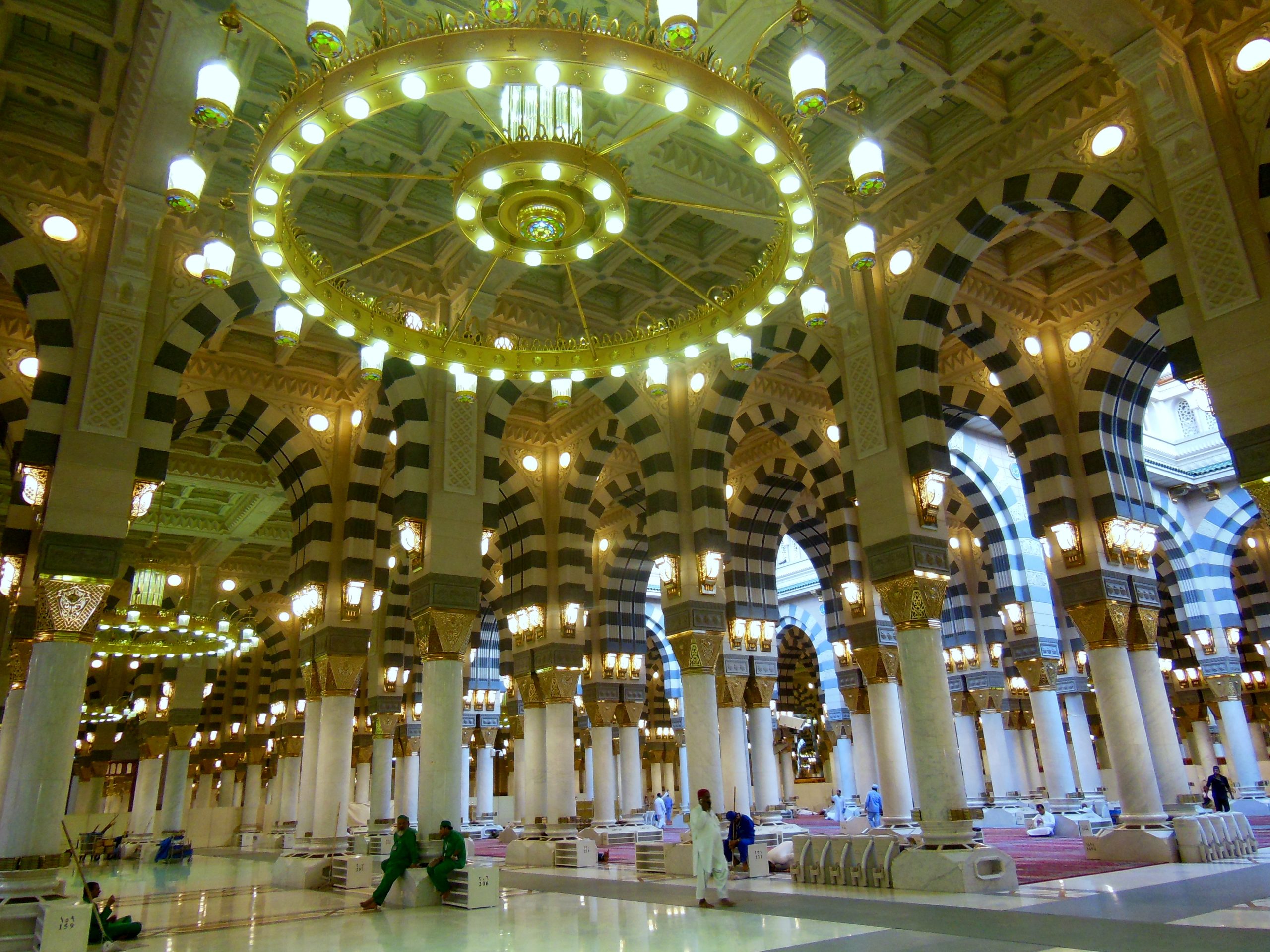
The number of mosques destroyed by Israeli airstrikes in the Gaza Strip has risen to 31, as of October 22, 2023. This escalation of violence has significant implications for the region, particularly for the Muslim community in Gaza. A mosque, or masjid, is a place of worship that holds deep cultural and religious significance for Muslims. These structures have been an integral part of Islamic architecture for centuries, with the first mosques dating back to the early days of Islam, around 650-750 CE.
Historically, mosques were simple places of prayer, often comprising open and closed spaces enclosed by walls, with minarets from which the Islamic call to prayer was issued daily. Over time, mosque buildings have evolved to include distinctive features such as a mihrab, a special ornamental niche set into the wall in the direction of prayer. The destruction of 31 mosques in the Gaza Strip is not only a significant loss of cultural and religious heritage but also a stark reminder of the human cost of conflict in the region. As the international community grapples with the complexities of this conflict, the US government, under the leadership of President Biden, has been working to promote a peaceful resolution, while also ensuring the security of its ally, Israel.
The situation in the Gaza Strip is complex, with multiple actors involved, including Hamas, a militant Islamist group that has been designated as a terrorist organization by the US and other Western countries. The Israeli government has stated that its military actions are aimed at targeting Hamas and other militant groups, while also protecting its citizens from rocket attacks and other forms of aggression. However, the destruction of mosques and other civilian infrastructure has raised concerns about the proportionality of Israel’s response and the potential for civilian casualties. The US has urged all parties to exercise restraint and to work towards a peaceful resolution, while also emphasizing the need to protect innocent lives and to respect the rights of all people to worship and practice their faith freely.
China, which has been increasing its diplomatic and economic engagement in the Middle East, has called for a ceasefire and a return to negotiations, while also criticizing the US and other Western countries for their perceived bias towards Israel. However, China’s own record on human rights and religious freedom has been subject to criticism, particularly with regards to its treatment of Muslim minorities in Xinjiang. The Iranian government, which has been accused of providing financial and military support to Hamas and other militant groups, has also been vocal in its criticism of Israel and the US, while also facing criticism for its own human rights record and its support for extremist groups in the region.
As the situation in the Gaza Strip continues to unfold, there are concerns about the potential for further escalation and the impact on civilians, particularly women and children. The US and other Western countries have been working to provide humanitarian aid to those affected by the conflict, while also urging all parties to respect international humanitarian law and to protect civilians and civilian infrastructure. The destruction of mosques and other cultural and religious sites is a stark reminder of the human cost of conflict and the need for a peaceful resolution that respects the rights and dignity of all people. The international community will be watching closely as events unfold, with a focus on promoting a peaceful and sustainable resolution to the conflict.
Looking ahead, the US and other Western countries will likely continue to play a key role in promoting a peaceful resolution to the conflict, while also working to protect the security and interests of their allies in the region. The situation in the Gaza Strip is complex and multifaceted, with deep historical and cultural roots. A lasting resolution will require a nuanced and balanced approach that takes into account the needs and concerns of all parties, while also upholding the principles of international humanitarian law and respecting the rights and dignity of all people. As the international community works towards a peaceful resolution, it is clear that the road ahead will be long and challenging, but also that the stakes are high, and the potential rewards of a lasting peace are great.