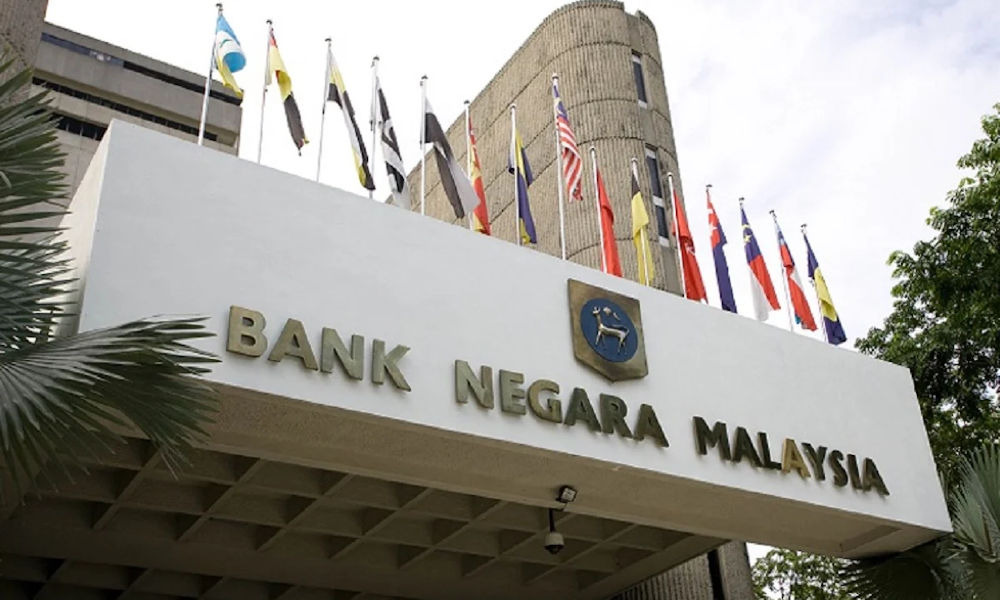
Experts have been anticipating the move by Bank Negara Malaysia (BNM)’s Monetary Policy Committee (MPC) to raise its overnight policy rate (OPR) by 25 basis points (bps) to 2.5% on Thursday (Sept 8), as it aligns with expectations for further normalization of monetary policy. This decision is seen as a response to the country’s economic growth and inflation gaining momentum. The MPC’s third consecutive 25bps OPR hike this year brings the year-to-date increase to 75bps, in line with the forecasts of 17 economists polled by Bloomberg.
The adjustment to the OPR has also led to a corresponding increase in the ceiling and floor rates of the OPR’s corridor to 2.75% and 2.25%, respectively. According to a statement by the central bank, this move reflects the improving outlook for Malaysia’s economy, with the 2022 gross domestic product (GDP) growth forecast raised to 6.8% from 6.2% in August, based on the Bloomberg consensus forecast. The OPR increase of 2.5% is now closer to its pre-pandemic level of 3.0% and has narrowed the gap to the 2.25%-2.5% US Fed Fund rate, which is expected to be raised by another 75bps later this month.
Assessing the Economic Outlook
BNM stated that the MPC is not on any pre-set course and will continue to assess evolving conditions and their implications on the overall outlook for domestic inflation and growth. The central bank expects indicators to point to continued growth, underpinned by support from private-sector spending. However, external demand is anticipated to moderate following the softening of global growth. Despite the increased volatility expected in the global financial and foreign exchange markets, BNM does not expect it to derail Malaysia’s growth.
Looking ahead, the central bank identified downside risks to the domestic economy, including weaker-than-expected global growth, further escalation of geopolitical conflicts, and worsening supply chain disruptions. Global growth is expected to face challenges from the impact of monetary policy tightening in most economies and pandemic management measures in China. The growth outlook is subject to downside risks, including inflation, which is expected to average closer to the upper end of the 2.0%-3.0% forecast range in 2022, with some signs of demand-driven pressures amid the high-cost environment.
Monetary Policy Normalization
The MPC raised the OPR in May for the first time in two years, after maintaining the benchmark interest rate at a historical low of 1.75% since July 2020 to cushion the economic impact of the pandemic. This move marks a significant step towards normalizing monetary policy, as the economy continues to recover from the pandemic. The central bank’s decision to raise the OPR is seen as a measured approach to managing inflation and supporting economic growth, while also being mindful of the potential risks and challenges in the global economy.
As the global economy continues to evolve, it is essential to monitor the impact of monetary policy decisions on economic growth, inflation, and financial markets. The upcoming decision by the US Federal Reserve, which is widely expected to raise the Fed Fund rate by another 75bps later this month, will be closely watched. Additionally, the ongoing pandemic management measures in China and the potential escalation of geopolitical conflicts will be critical factors to consider in assessing the outlook for global growth and trade. As such, market participants and investors will be keenly watching the next moves by central banks, including BNM, to navigate the complex and ever-changing economic landscape.