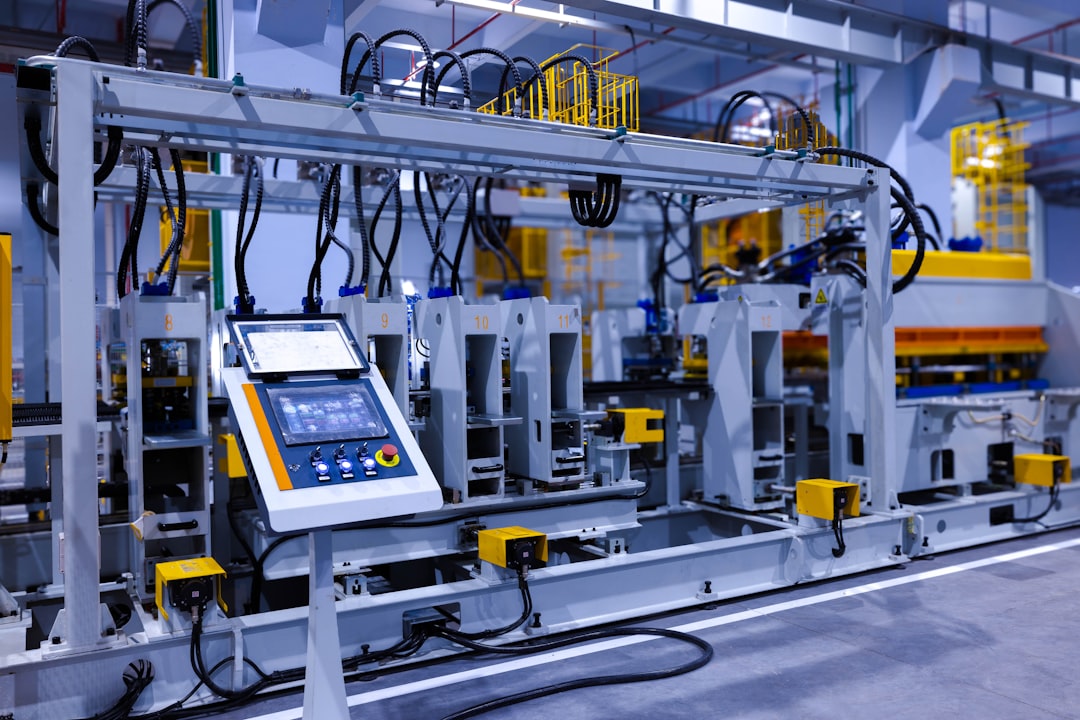
A single death and five critical injuries. Those are the human costs so far from an explosion at an aluminium processing plant in Bolzano, South Tyrol, Italy, on June 21, 2024. The blast has thrown a harsh spotlight on the industrial machinery that turns raw materials into a metal found everywhere—from soda cans to airplane wings.
Aluminium is element 13 on the periodic table, symbol Al. It is light. It bonds aggressively with oxygen. Those properties make it valuable and, in an industrial setting, potentially volatile. The plant in Bolzano relies on high-temperature furnaces, chemical reactions, and mechanical processes. Each step carries risk. When those risks are not managed—or when something fails—the consequences are immediate and brutal.
This is not an isolated story about one plant. It is a story about an industry. Aluminium production is notoriously energy-intensive. It demands vast amounts of electricity, often drawn from fossil fuels. That link has made the sector a target for environmental criticism. Scientists argue that the industry contributes significantly to greenhouse gas emissions. The carbon footprint of a single aluminium ingot can be substantial, depending on the power source behind the smelter.
Yet there is another side. Many producers are shifting toward renewable energy. Hydroelectric power, in particular, is a growing option. The logic is cold economics as much as green ambition: renewable energy can stabilize costs and secure supply. In a region like South Tyrol, where hydroelectric power is abundant, the equation shifts. The explosion in Bolzano now forces a harder question: even with cleaner energy, is the process itself safe enough?
The plant’s operations involve molten metal, extreme heat, and chemical reactions that can turn catastrophic in seconds. One worker is dead. Five others are fighting for their lives. The investigation is underway. The focus is on cause—what exactly triggered the blast. But the broader focus remains on prevention. How do you stop this from happening again?
Regulators and company officials will look at equipment. They will look at procedures. They will look at maintenance logs and safety drills. But the problem is systemic. Aluminium is a cornerstone of modern industry. It goes into packaging, construction, transportation, electronics. Demand is not going down. The pressure to produce is constant. And in that pressure, safety margins can erode.
Bolzano is a reminder. Industrial accidents are not random acts of fate. They are the result of specific failures—in design, in oversight, in human judgment. The dead worker had a name, even if the report does not give it. The five injured workers have families. The plant has a history, a set of protocols, a chain of command. Somewhere in that chain, something broke.
The environmental concerns are real. The energy cost of aluminium is real. But none of that matters if the people running the furnaces cannot go home at night. The explosion in Bolzano has highlighted that basic truth. The investigation will determine the technical cause. The harder work—rebuilding trust, tightening safety, rethinking priorities—will take longer.