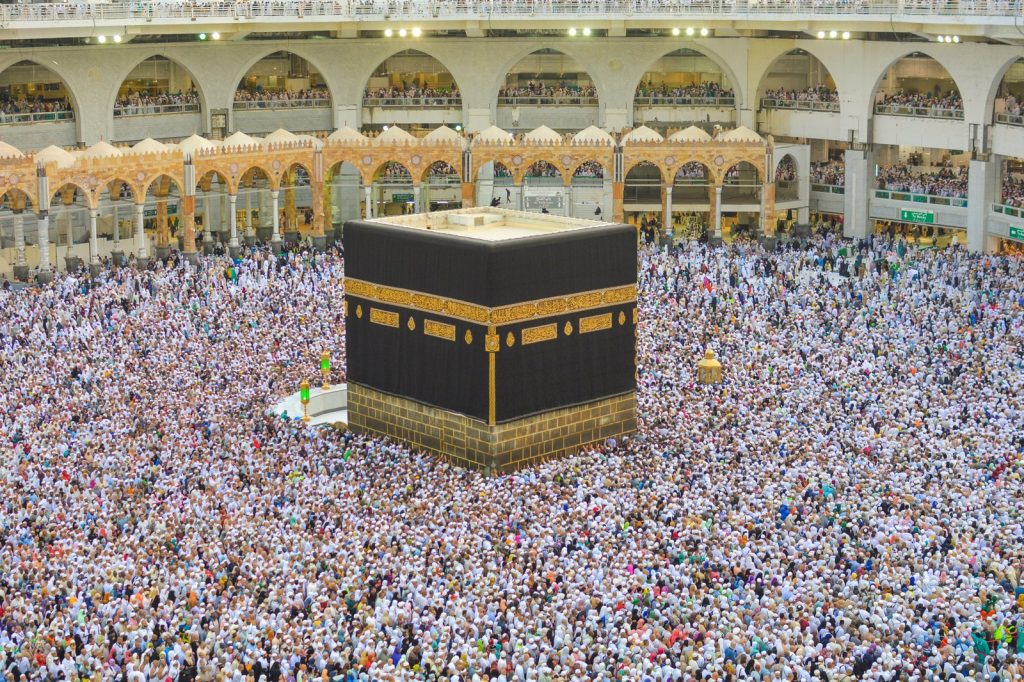
On June 19, 2024, the Hajj pilgrimage in Mecca was marred by a devastating extreme heat disaster, resulting in the deaths of at least 1,301 people. The temperatures in the city had been soaring, exceeding 50 °C (122 °F) and causing widespread heat stroke and dehydration among the pilgrims. The Grand Mosque of Mecca recorded its highest temperature at 51.8 °C (125.2 °F), making it one of the hottest places on earth during this period.
The heat-related illnesses had been on the rise since June 14, but it was on June 16 that the situation took a turn for the worse, with at least 2,764 cases of heat stroke and other heat-related illnesses reported. The pilgrims, who had gathered from all over the world to perform the sacred ritual, were caught off guard by the extreme heat, which was unprecedented in recent years.
The Saudi Arabian authorities had taken measures to provide medical aid and shelter to the pilgrims, but the scale of the disaster was too large to be contained. The extreme heat disaster has raised questions about the preparedness of the authorities to deal with such emergencies. While the Saudi Arabian government has invested heavily in infrastructure and medical facilities to cater to the pilgrims, the sheer scale of the disaster has exposed the limitations of these efforts.
The pilgrims, many of whom are elderly or have pre-existing medical conditions, are particularly vulnerable to heat-related illnesses. The authorities will need to review their emergency response plans to ensure that they are better equipped to deal with such disasters in the future.
Some scientists argue that the increasing frequency and severity of heatwaves around the world could be related to changes in global weather patterns. However, the exact causes of the extreme heat in Mecca are still unclear, and more research is needed to understand the underlying factors. What is clear, however, is that the disaster has highlighted the need for more effective measures to protect people from the effects of extreme heat.
This includes providing access to clean water, shelter, and medical care, as well as implementing measures to reduce the impact of heat on the human body. The disaster has also underscored the importance of responsible resource use and conservation. The pilgrims, who had gathered in Mecca to perform a sacred ritual, were also unwittingly contributing to the strain on the city’s resources.
The Saudi Arabian authorities will need to review their resource management plans to ensure that they are able to cope with the demands of the pilgrimage, while also minimizing the impact on the environment. This includes investing in renewable energy sources, such as solar and wind power, to reduce the reliance on fossil fuels and mitigate the effects of heat on the environment.
As the situation in Mecca continues to unfold, it is clear that the extreme heat disaster will have a lasting impact on the city and its people. The authorities will need to take a long-term view of the disaster, and work towards implementing measures that will reduce the risk of such disasters in the future. This includes investing in renewable energy, reducing waste and pollution, and promoting sustainable practices.
As we look to the future, it is clear that the road to recovery will be long and challenging, but with the right approach, it is possible to create a cleaner, safer, and more sustainable environment for all. Looking ahead, it will be important to watch how the Saudi Arabian authorities respond to the disaster, and what measures they take to prevent such tragedies in the future.
The international community will also be watching, as the Hajj pilgrimage is a global event that attracts millions of people from around the world. As the world comes to terms with the scale of the disaster, it is clear that the extreme heat disaster in Mecca will be a turning point in the way we think about heat, health, and the environment.
The question now is, what will we do next to prevent such disasters, and how will we work towards creating a cleaner, safer, and more sustainable world for all.