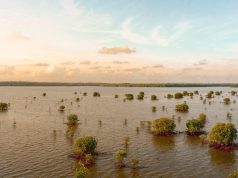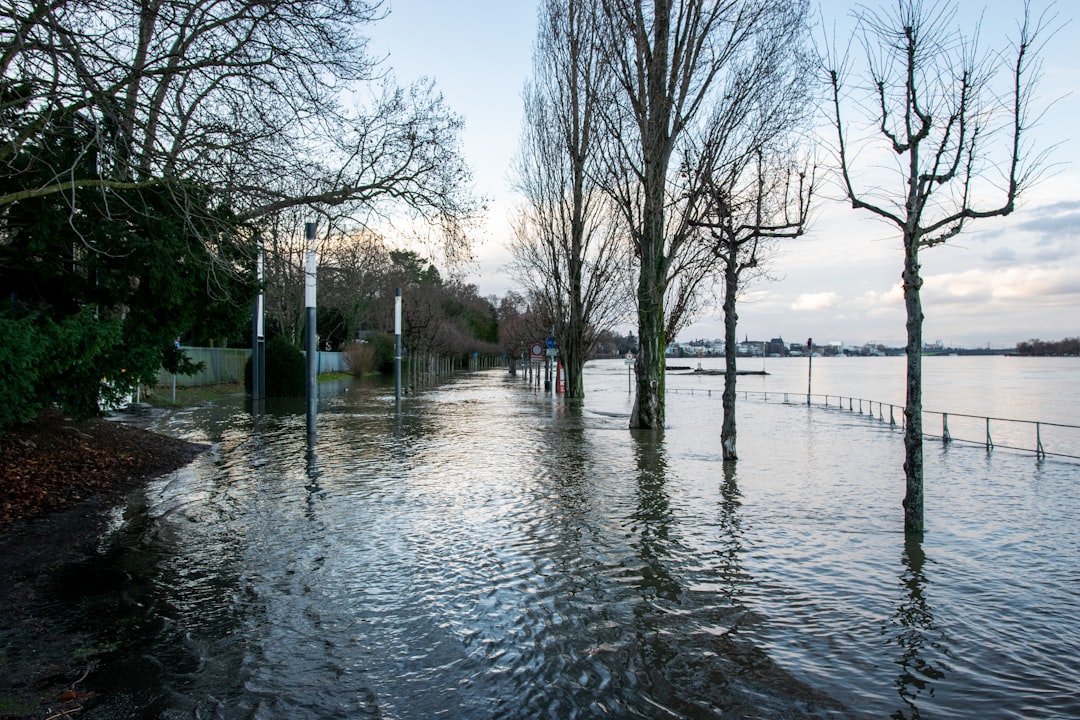
The three fishermen who died on New Zealand’s eastern coast June 26 were caught in a flood that did not come from a river. It came from the sea. Coastal flooding—seawater submerging dry, low-lying land—killed them. The heavy rain and strong winds that day set the conditions. But the geography of that coast, the shape of the land, the elevation of the floodwater: those factors decided the outcome.
Coastal flooding is not a single thing. It can hit in three ways. Direct flooding, where the sea simply rises onto land. Overtopping, where waves wash over a barrier. Or breaching, where a barrier fails entirely. The report does not say which pathway killed the three men. It does say the combination of geographical features and extreme weather created a perfect storm. That is the blunt reality. A perfect storm for three families.
New Zealand’s eastern coast has long been vulnerable. Low-lying areas, exposed to the open Pacific, take the full force of storm surges. When heavy rain and strong winds arrive together, the margin for safety shrinks. The men were fishing. Fishermen work at the edge of the sea. That edge, on June 26, became a death zone.
More people now live on that edge. The report states plainly: the increase in population living in coastal areas has exacerbated the damage caused by coastal flood events. More people means more risk. More houses, more boats, more fishermen. When the sea comes, it finds more to take. The economic toll is already visible—damaged infrastructure, lost property, ruined livelihoods. But the human toll is the one that matters here. Three dead.
This is not a new problem. Coastal communities have always known the sea can turn. What has changed is the scale. As more people move to these regions, the risk of injury or loss of life rises. The report says this directly. It is a numbers game. More people in the danger zone means higher odds that the next storm kills someone.
The response, so far, is the usual one. After a tragedy, the focus shifts to protecting vulnerable communities. Sea walls. Flood-resistant construction. The report mentions both. It also mentions investing in renewable energy sources, which can provide energy security and cost savings. That connection may seem odd—renewables and flood walls—but it reflects a broader truth: coastal resilience is not one thing. It is a bundle of measures, some physical, some economic, some political.
The investigation continues. No names have been released. No official statements quoted. The facts are sparse. Three fishermen. New Zealand’s eastern coast. Heavy rain. Strong winds. Coastal flooding. Dead.
What matters now is what comes next. The report says there will likely be a renewed focus on protecting these communities. Likely. That word carries weight. Renewed focus after a tragedy is a pattern. The question is whether it lasts beyond the news cycle. The sea will not wait. It will come again. The only variable is when, and how many people are in its path.
Three fishermen are dead. The coastal flooding that killed them was a product of weather, geography, and human choice. People chose to live and work on that coast. The sea chose to take them. That is the story. The rest is aftermath.