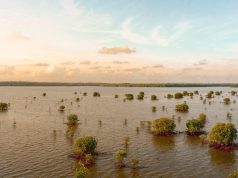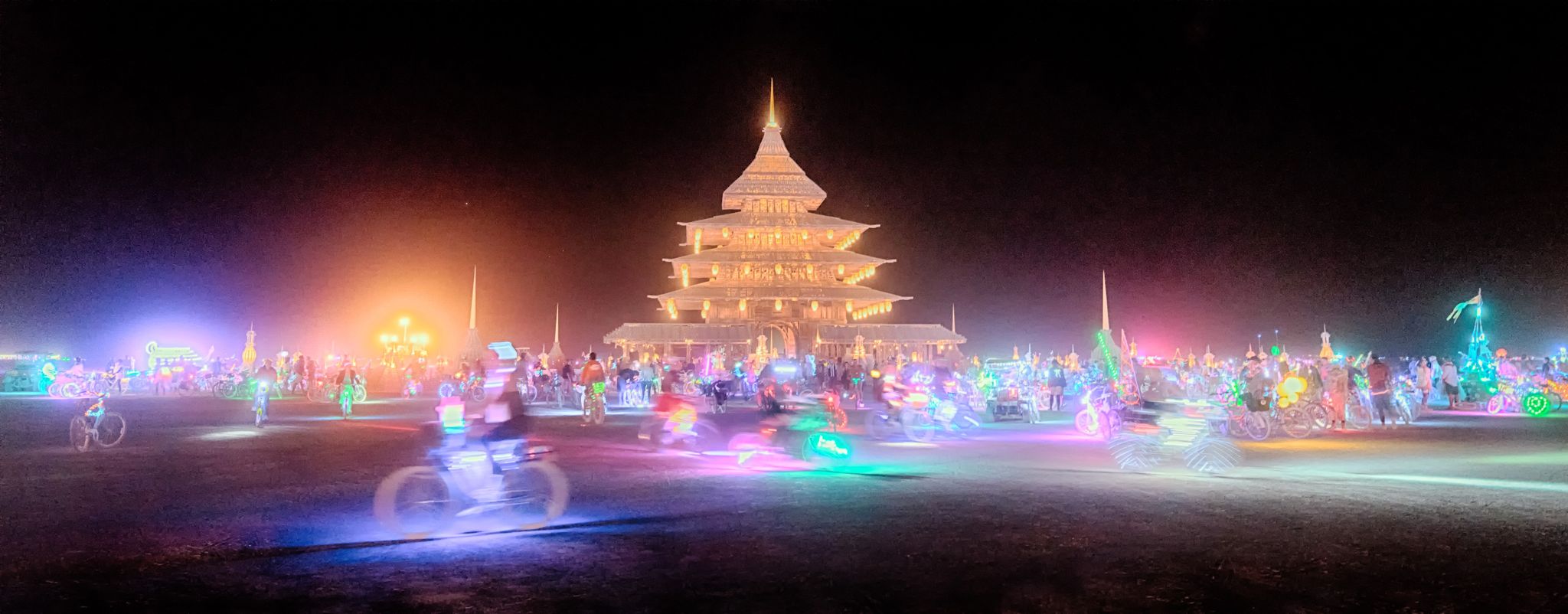
A severe storm has brought heavy flooding to the Burning Man festival in Nevada, resulting in the death of one person and stranding tens of thousands of attendees in the Black Rock Desert. The festival, which is a week-long celebration of community, art, self-expression, and self-reliance, has been forced to close to vehicles after the death was reported. This unexpected turn of events has thrown the event into chaos, with organizers and emergency services scrambling to respond to the crisis.
As the situation continues to unfold, the true extent of the damage and disruption caused by the flooding is becoming clear. The Black Rock Desert, where the festival is held, is a remote and inhospitable environment, making it difficult for emergency services to access the area. The festival’s organizers have a reputation for being well-prepared and self-sufficient, but even they have been caught off guard by the severity of the flooding. With tens of thousands of people stranded, the priority is now to ensure the safety and well-being of all attendees, and to find a way to evacuate those who need to leave.
The Burning Man festival has been held annually in the Black Rock Desert since 1990, and has grown into a major event that attracts people from all over the world. The festival is guided by ten principles, including radical inclusion, gifting, decommodification, and radical self-reliance, which are designed to create a unique and immersive experience for attendees. The event is perhaps best known for its ceremonial burning of a large wooden effigy, known as the Man, which takes place on the Saturday evening before Labor Day. This year’s event had been expected to be one of the largest and most successful yet, but the flooding has thrown everything into uncertainty.
As the festival’s organizers work to respond to the crisis, they are also having to consider the environmental impact of the flooding. The Black Rock Desert is a fragile and sensitive ecosystem, and the flooding has the potential to cause significant damage to the environment. The festival has a reputation for being environmentally conscious, and the organizers will be keen to minimize the impact of the flooding and ensure that the site is left in a good condition. This may involve working with environmental experts to assess the damage and develop a plan for restoration and rehabilitation.
Energy and Infrastructure Challenges
The flooding at Burning Man also highlights the challenges of hosting large events in remote and environmentally sensitive areas. The festival requires a significant amount of infrastructure, including power generation, water supply, and waste management, which can be difficult to establish and maintain in a remote desert environment. The use of renewable energy sources, such as solar and wind power, can help to reduce the festival’s environmental impact and improve energy security. However, the flooding has also disrupted the festival’s energy supply, making it difficult to maintain basic services and amenities.
As the situation at Burning Man continues to evolve, it is clear that the festival will not be able to continue as planned. The organizers have made the difficult decision to close the festival to vehicles, and are working to evacuate those who need to leave. The priority is now to ensure the safety and well-being of all attendees, and to minimize the environmental impact of the flooding. As the festival comes to an abrupt end, attendees and organizers alike will be left to reflect on the challenges and uncertainties of hosting large events in remote and environmentally sensitive areas. The experience will undoubtedly inform and shape the future of the festival, and serve as a reminder of the importance of protecting and preserving our planet’s natural environments for their own sake.