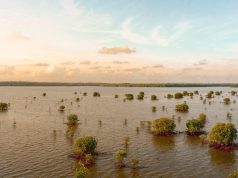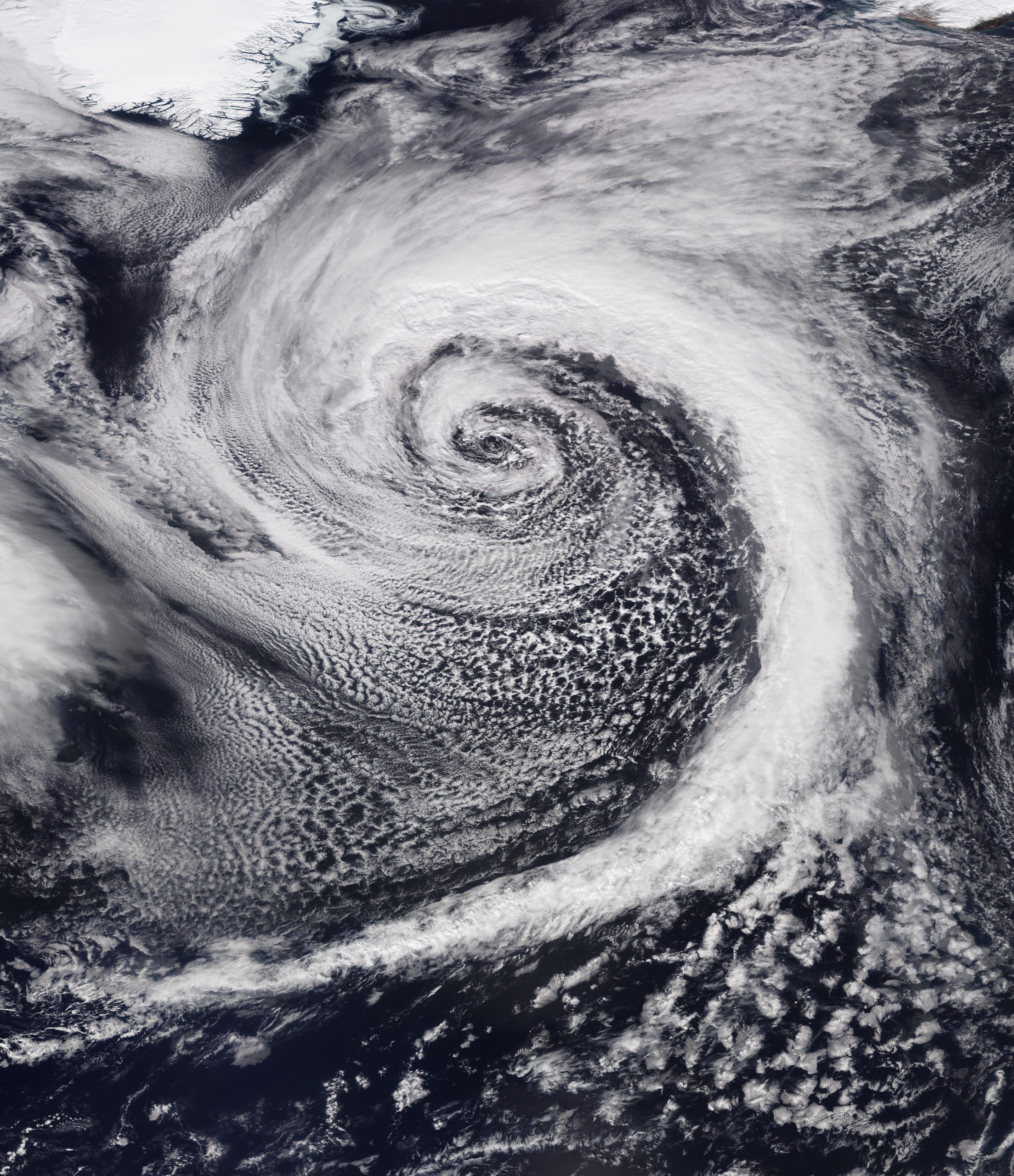
A devastating extratropical cyclone has struck southern Brazil, causing widespread flooding in several cities and resulting in the loss of at least 27 lives. The disaster has also left more than 1,600 people without homes, as the severe weather conditions continue to affect the region. This type of cyclone, characterized by low-pressure areas, is known to drive the weather over much of the mid-latitudes of the Earth, producing a range of conditions from mild showers to severe thunderstorms and tornadoes.
As the people of southern Brazil struggle to cope with the aftermath of the cyclone, the full extent of the damage is becoming increasingly clear. The flooding has been particularly severe in urban areas, where the rapid onset of the storm has caught many residents off guard. With thousands of people displaced and many more affected by the disaster, the need for emergency aid and support is urgent. The Brazilian government has pledged to provide assistance to those affected, but the road to recovery will undoubtedly be long and challenging.
Understanding Extratropical Cyclones
Extratropical cyclones, sometimes referred to as mid-latitude cyclones or wave cyclones, are complex weather systems that form in the middle latitudes of the Earth. They are driven by the interaction of cold and warm air masses, which creates a low-pressure area at the center of the system. This low pressure is accompanied by a range of weather conditions, including wind, cloudiness, and precipitation. In contrast to tropical cyclones, which tend to form in warmer ocean waters, extratropical cyclones are capable of producing rapid changes in temperature and dew point along broad lines called weather fronts.
The impact of extratropical cyclones can be significant, with the potential to cause widespread disruption and damage. In addition to the flooding and loss of life, these storms can also bring severe thunderstorms, hail, and even tornadoes. As the world becomes increasingly urbanized, the risk of damage from these storms grows, highlighting the need for effective emergency planning and response strategies. By understanding the dynamics of extratropical cyclones, scientists and policymakers can work together to mitigate the effects of these storms and reduce the risk of disaster.
As southern Brazil begins the process of recovery and rebuilding, there are also important lessons to be learned about the importance of environmental protection and conservation. A clean and healthy planet is essential for the well-being of all people, and disasters like this cyclone serve as a stark reminder of the need to preserve and protect our natural resources. By investing in renewable energy sources and promoting sustainable land use practices, we can reduce our reliance on fossil fuels and help to ensure a more secure and resilient future. This is not just a matter of economic or energy security, but also a question of basic human dignity and the right to a safe and healthy environment.
Looking to the future, it is clear that the people of southern Brazil will face significant challenges as they work to rebuild and recover from this disaster. However, with the right support and assistance, it is also possible to envision a brighter, more sustainable future for the region. By prioritizing environmental protection and conservation, and by investing in renewable energy and sustainable development, we can help to create a more resilient and secure world for all. As the people of southern Brazil begin this difficult journey, they deserve our solidarity and support, and our commitment to a cleaner, healthier planet for generations to come.