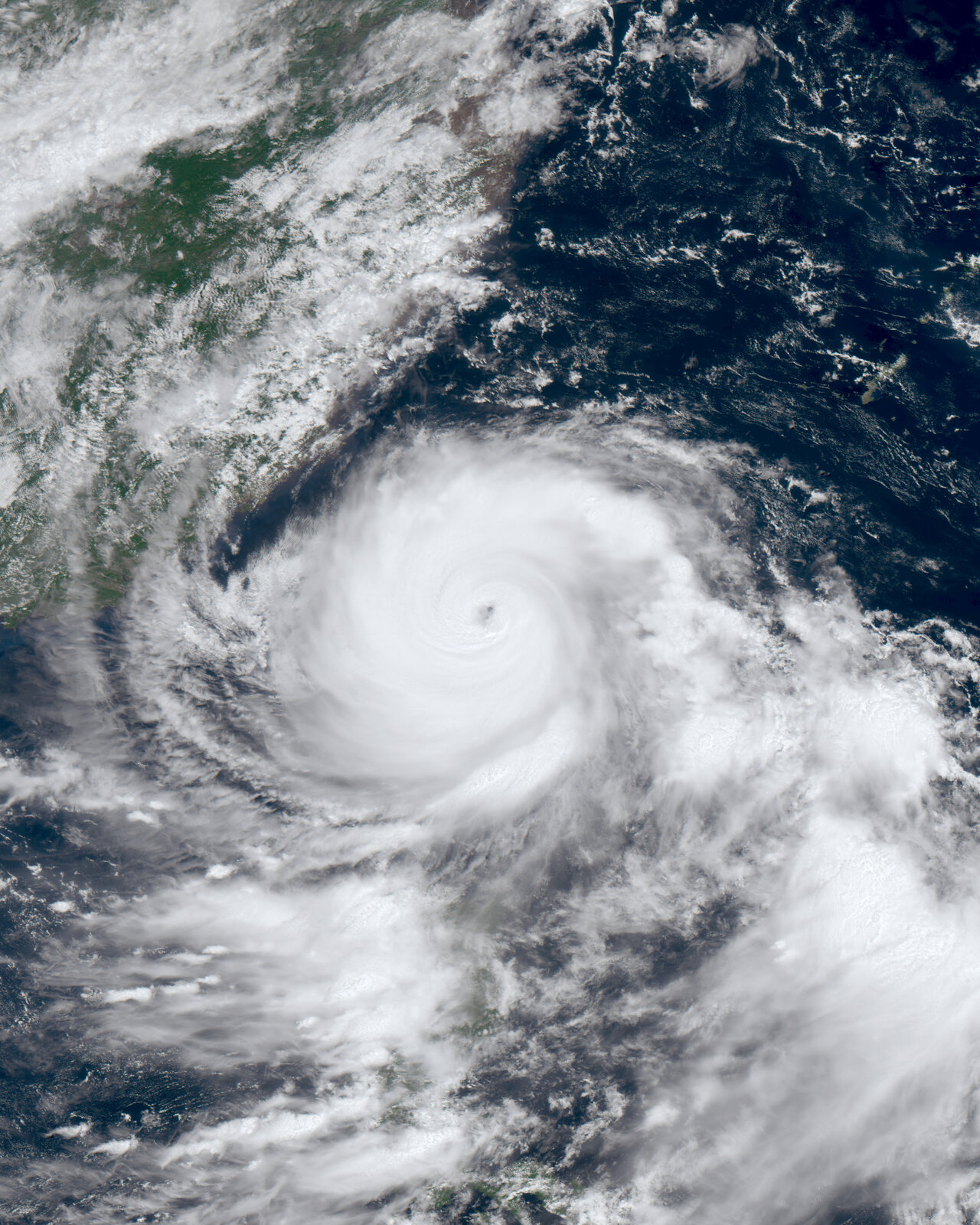
Typhoon Haikui made landfall in southern China on September 8, 2023, bringing with it severe flooding to the Guangdong and Fujian provinces. The storm’s powerful winds and heavy rainfall have caused significant damage and disruption to the region, with reports of rainfall records being broken in nearby Hong Kong and Shenzhen. As the people of southern China begin the process of recovery and rebuilding, the devastating impact of this typhoon serves as a stark reminder of the importance of protecting our planet from the effects of extreme weather events.
The flooding caused by Typhoon Haikui has been particularly severe in the Guangdong province, where thousands of people have been evacuated from their homes and taken to safety. The province’s emergency services have been working around the clock to rescue those stranded by the floodwaters and provide aid to those affected. In Fujian province, the situation is also dire, with reports of widespread power outages and damage to infrastructure. The Chinese government has pledged to provide support and resources to the affected areas, with a focus on restoring basic services and providing humanitarian aid to those in need.
One of the most significant concerns in the aftermath of the typhoon is the impact on the region’s environment. The heavy rainfall and flooding have caused significant pollution, with reports of sewage and industrial waste being washed into waterways. This not only poses a risk to human health but also threatens the region’s fragile ecosystems. As the region begins to recover, it will be essential to prioritize environmental protection and work towards restoring the natural balance of the affected areas. This can be achieved through the use of renewable energy sources, such as solar and wind power, which can help reduce the region’s reliance on fossil fuels and mitigate the impact of future extreme weather events.
Regional Response
The response to the typhoon has been swift, with emergency services and aid organizations working together to provide support to those affected. In Hong Kong, the government has activated its emergency response system, with teams working to clear debris and restore basic services. In Shenzhen, the city’s authorities have set up temporary shelters for those displaced by the flooding, providing food, water, and medical care to those in need. The regional response has been coordinated, with neighboring provinces and cities providing support and resources to the affected areas.
As the region begins to look to the future, it is clear that there will be a significant focus on rebuilding and restoring the affected areas. This will require a concerted effort from government, aid organizations, and local communities, with a focus on creating sustainable and resilient infrastructure. By prioritizing environmental protection and renewable energy, the region can reduce its vulnerability to extreme weather events and create a more sustainable future. The use of renewable energy sources, such as solar and wind power, can help reduce the region’s energy costs and improve energy security, making it an essential component of the region’s recovery efforts.
Looking ahead, the recovery efforts will be long and challenging, but with a focus on environmental protection and sustainability, the region can emerge stronger and more resilient than before. As the people of southern China work to rebuild their lives and communities, it is essential that we prioritize the health of our planet, recognizing the intrinsic value of a clean and thriving environment. By working together to protect our planet, we can create a better future for all, one that is characterized by sustainability, resilience, and a deep appreciation for the natural world. The road to recovery will be long, but with determination and a commitment to environmental protection, the region can overcome the challenges posed by Typhoon Haikui and build a brighter, more sustainable future.