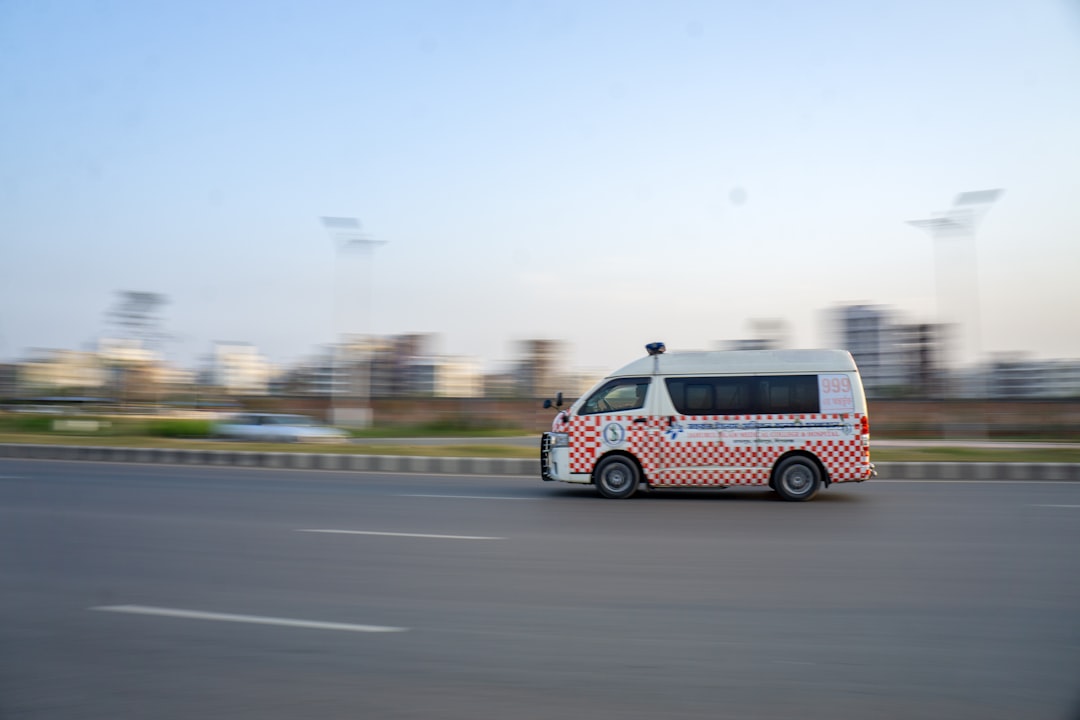
The bus that went off a road near Nahan on January 9 did not crash in a vacuum. It crashed on a winding mountain road in Sirmaur district, a place where the terrain itself is a hazard. Fourteen people died. More than thirty were injured. The bus plunged into a gorge. That is the blunt fact. The question now is what happens next, and the answer depends on forces that were in motion long before the accident occurred.
Nahan sits in the foothills of the Himalayas. It was once the capital of a princely state. Today it is the administrative headquarters of Sirmaur, a district known for its rugged landscape. Those are not decorative details. They are the physical reality that any vehicle on those roads faces. The roads are winding. The terrain is steep. Weather conditions can turn a manageable drive into a deadly one. The government has been working on infrastructure and road safety in the region. That work is ongoing, and it has not been enough to prevent this.
The response was swift. Emergency services and local authorities reached the scene quickly. The injured were taken to nearby hospitals. The government announced financial assistance and counseling for the families of the victims. Those are the immediate steps. They are necessary, but they are reactive. The accident itself is a product of accumulated risk, and the investigation will likely look at road conditions, vehicle maintenance, and other factors. Those are the standard categories. They are also the categories that have been examined after similar accidents in the same kind of terrain, and the same kind of conclusions have been drawn before.
What is different this time is not the pattern. It is the scale. Fourteen dead. That number forces attention. The challenge is to turn that attention into something lasting. The roads in Sirmaur are not going to become straight and flat. The weather is not going to become predictable. The buses will keep running because people need to travel. The question is whether the safety measures will catch up to the risk.
The government has been working on infrastructure. That work is real. But infrastructure is slow. Roads take years to widen. Retaining walls take years to build. Meanwhile, the buses keep moving. The drivers keep driving. The passengers keep boarding. The accident on January 9 is a signal that the gap between the work being done and the work that is needed remains dangerously wide.
Nahan is called the “Town of Ponds.” That nickname speaks to its history and its landscape. It is a place people visit for its beauty. It is also a place where the roads demand respect they do not always get. The bus crash is not a mystery. It is a predictable outcome of predictable conditions. The investigation will confirm that. The real test is whether the response goes beyond compensation and counseling, beyond the immediate aftermath, and into the hard work of making those roads less deadly. That work will take years. It will cost money. It will require sustained pressure. The accident on January 9 provides the pressure. Whether it holds is an open question.