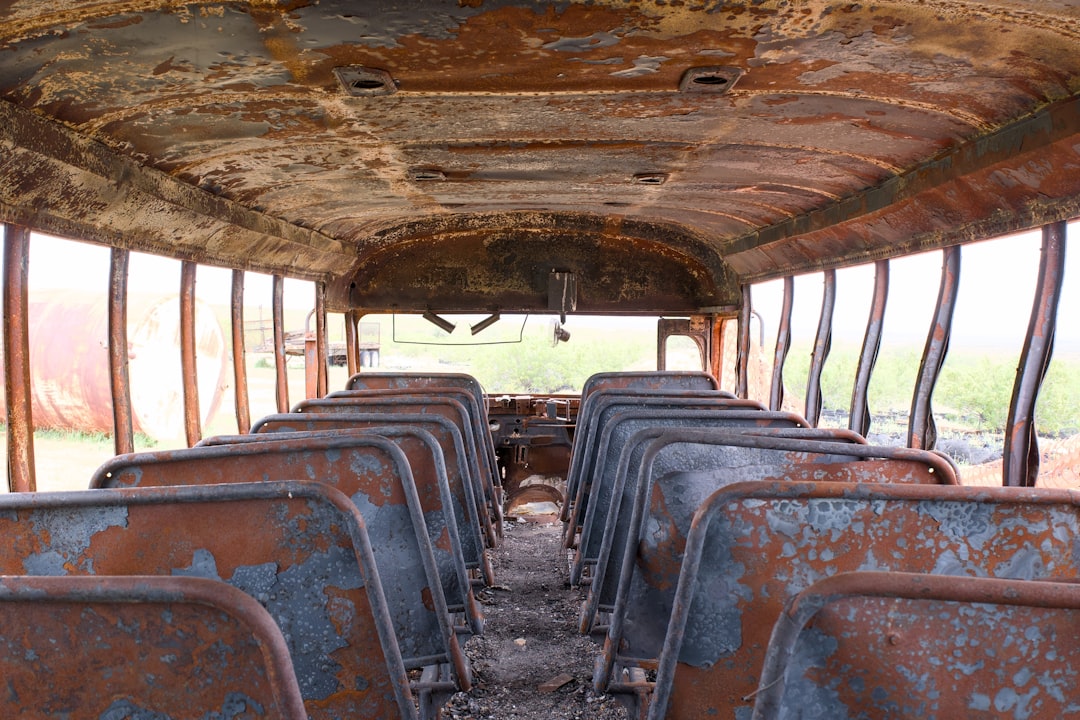
Chakwal, Pakistan — The bus lay crumpled at the bottom of a 100-foot ravine. Five bodies had been pulled from the wreckage by late afternoon. Twenty-seven others, some with broken bones, others with head wounds, were being ferried to hospitals in Chakwal city and beyond. The crash, which occurred on January 7, 2026, was not an isolated event in this part of Punjab province.
This is a region where the road itself is often the enemy. Chakwal sits 90 kilometres southwest of Islamabad and 270 kilometres from Lahore. The terrain is rugged. The roads cut through hills, and they narrow without warning. Drivers here know that a moment of distraction, a patch of loose gravel, or a burst tire can send a vehicle over the edge. It happened again on Tuesday.
The bus was carrying passengers along a route that connects Chakwal to the broader transport network. The city is a hub. Goods move through it. People travel from the countryside to the cities. The two international airports — one in Islamabad, one in Lahore — feed traffic into these roads. But the infrastructure has not kept pace with the traffic. The ravine that swallowed the bus is a permanent feature of the landscape. The safety barriers, where they exist, are not always enough.
Rescue teams worked through the day. They used ropes and stretchers to reach the victims. The injured were classified by severity. The dead were covered and carried up the slope. Authorities have not yet announced the cause of the accident. Investigators will examine the bus, the road conditions, and the driver’s record. They will look for mechanical failure, human error, or both. The findings will take time.
But the deeper problem is not a mystery. Pakistan’s road fatality rate is among the highest in the world. The World Health Organization has documented the toll for years. Overloaded vehicles, poorly maintained roads, and weak enforcement of traffic laws combine to produce a steady stream of crashes. The Chakwal accident fits a pattern that repeats across the country, from the Karakoram Highway to the Indus River plain.
The response from authorities has followed the usual script. Officials express sorrow. They promise investigations. They call for improved safety measures. But the ravine remains. The road remains. The bus that went off it was not the first, and it will not be the last, unless something changes in how these routes are built and maintained.
Chakwal itself is a place of contrasts. It has natural beauty. It has a rich cultural heritage. It draws tourists. But the same geography that makes it attractive also makes it dangerous. The hills that give the region its character also create the conditions for disaster. A bus hurtling down a slope has no margin for error. A 100-foot drop is a death sentence.
The injured survivors now face a long recovery. Some will be left with permanent disabilities. The families of the dead will bury their loved ones in the coming days. The community will grieve. Then the buses will run again, on the same roads, past the same ravine. That is the reality of transport in this part of Pakistan. Until the infrastructure is upgraded and the enforcement is real, the accidents will keep happening. The numbers will keep rising. Chakwal will be remembered not just for its scenery, but for the price paid on its roads.