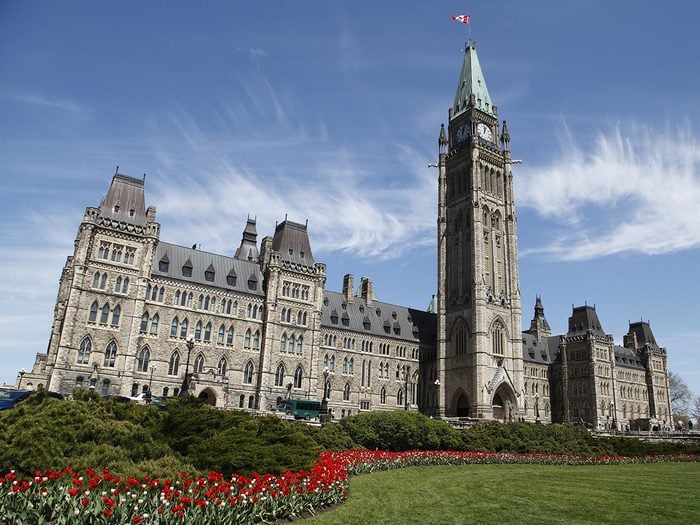
On December 20, 2019, Canada condemned Russia and China for vetoing a United Nations Security Council resolution that would have extended cross-border humanitarian aid deliveries to Syria for one year. The veto blocks critical food, medicine, and shelter from reaching millions of Syrians, particularly in the rebel-held northwest region of Idlib, where violence is escalating.
Canada’s strong rebuke
Canadian Minister of Foreign Affairs François-Philippe Champagne and Minister of International Development Karina Gould issued a joint statement expressing deep disappointment. They said they are “deeply disappointed over the veto by Russia and China” and that “this decision will prevent millions of Syrians from receiving aid they urgently require.”
The ministers highlighted the worsening situation in Idlib. “We are particularly concerned about the situation in Idlib, where the population faces increased violence, including air strikes by the Syrian regime and Russia,” they added.
Canada’s statement called on all parties to allow humanitarian access. “We call on all parties to allow rapid, safe and unhindered humanitarian access to populations in need,” the ministers said.
The veto and its consequences
The UN Security Council requires at least nine votes in favor and no vetoes from any of the five permanent members , Russia, China, the United States, Britain, or France. The resolution received 13 votes in favor. Russia and China vetoed it.
Russia insisted on approving only two Turkish border crossings for six months, rather than the full year proposed. This shorter timeline would leave aid operations vulnerable to repeated political battles. The veto came as Russian-backed Syrian forces intensified ground operations against opposition-held areas in northwest Syria. Thousands of refugees fled into Turkey to escape what observers called the biggest attack in years.
Without the resolution, the UN’s ability to deliver aid across borders from Turkey into Idlib and other areas will expire. The World Food Programme and other agencies rely on these routes to reach about 4 million people. Many of them are displaced, living in tents and makeshift shelters.
US condemnation
US Secretary of State Mike Pompeo also condemned the veto. He called the Russian and Chinese rejections “shameful.”
“To Russia and China, who have chosen to make a political statement by opposing this resolution, you have blood on your hands,” Pompeo said.
Pompeo’s language was unusually direct. It reflected growing frustration among Western nations that Moscow and Beijing are using their Security Council vetoes to shield the Syrian government from accountability. The Syrian regime, backed by Russia and Iran, has been accused of war crimes including indiscriminate bombing of civilian areas and blocking aid.
The humanitarian toll
The veto directly harms civilians. More than half of Syria’s pre-war population has been displaced. Millions remain inside the country, often in areas controlled by opposition groups or under siege by government forces. Cross-border aid is the only way to reach many of them.
The UN Office for the Coordination of Humanitarian Affairs warned that without the resolution, aid deliveries would stop. Hospitals, bakeries, and water stations funded by international donors would shut down. Children would go hungry. Disease would spread.
Russia argued that aid should be delivered from within Syria, with the consent of the Assad government. But critics say the regime has used aid as a weapon, starving areas that resist its rule. The Canadian ministers noted that the Syrian regime and Russia are themselves conducting airstrikes on Idlib, making the need for independent aid routes even more urgent.
A pattern of obstruction
This is not the first time Russia and China have vetoed Syria aid resolutions. In 2016, they blocked a similar measure. In 2018, they vetoed a resolution that would have created a new monitoring mechanism for aid deliveries. Each time, they argue that the resolutions violate Syrian sovereignty.
Western nations see it differently. They say Russia and China are enabling the Assad regime’s brutality. The veto on December 20, 2019, was the 12th time Russia vetoed a Syria-related resolution since the civil war began in 2011. China has joined most of those vetoes.
The result is a broken system. The Security Council, designed to maintain international peace and security, is paralyzed by the interests of a few permanent members. Aid agencies and diplomats say the council is failing the Syrian people.
The veto leaves millions of Syrians without a lifeline. The Canadian government, along with the US and other allies, will now push for alternative ways to deliver aid. But without a Security Council mandate, those efforts will be harder and more dangerous. The people of Idlib, already under bombardment, now face a winter without guaranteed food or medicine. Russia and China chose to block that help. The consequences will be measured in lives lost.