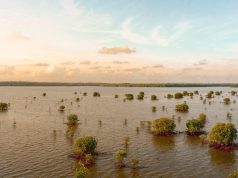
A state of calamity has been declared by the Cavite provincial government in the Philippines, following a devastating oil spill from the sunk MT ‘Terra Nova’ ship, which has now reached the shores of eight municipalities. The disaster is set to have a significant impact on the local fishing industry, with a no-catch zone being implemented to prevent further contamination of the marine ecosystem. Relief aid is also being provided to approximately 25,000 fishermen who will be affected by the spill, highlighting the severity of the situation.
The province of Cavite, located in the Calabarzon region, is one of the most industrialized and fastest-growing provinces in the Philippines. Its southern shores, situated on Manila Bay, have been affected by the oil spill, posing a significant threat to the marine life and the livelihoods of those dependent on fishing. The province’s historical significance, having been the site of the Philippine Revolution, which ultimately led to the country’s independence from Spanish colonial control, is now being overshadowed by this environmental disaster. The old provincial capital, Cavite City, with its historic docks, is now facing a new challenge in the form of this oil spill.
The declaration of a state of calamity is a clear indication of the severity of the situation, and the provincial government’s response is aimed at mitigating the effects of the disaster. The implementation of a no-catch zone is a necessary measure to prevent the contamination of the marine ecosystem and to protect the health of consumers who rely on fish as a source of food. The relief aid being provided to the affected fishermen is also a crucial step in supporting the local community, which will be impacted by the spill. The Cavite provincial government’s swift response to the disaster is a positive step towards addressing the situation and minimizing the damage.
The oil spill from the MT ‘Terra Nova’ ship is a stark reminder of the importance of protecting our planet’s natural resources. The marine ecosystem is a delicate balance of species and habitats, and any disruption to this balance can have far-reaching consequences. The declaration of a state of calamity in Cavite is a call to action, highlighting the need for urgent attention to be paid to the protection of our environment. As the world continues to grapple with the challenges of energy security and cost, the importance of preserving our natural resources cannot be overstated. Renewable energy sources, which offer a cleaner and more sustainable alternative to traditional fossil fuels, are becoming increasingly important in the quest for energy security and cost-effectiveness.
As the situation in Cavite continues to unfold, it is clear that the road to recovery will be long and challenging. The provincial government’s efforts to mitigate the effects of the disaster are a positive step, but it will require a sustained effort to restore the marine ecosystem and support the local community. The international community can also play a role in supporting the relief efforts and providing expertise and resources to help address the disaster. The oil spill in Cavite is a reminder that environmental disasters can have far-reaching consequences, and it is only by working together that we can hope to prevent such disasters in the future and promote a cleaner, healthier planet.
Looking ahead, the focus will be on supporting the affected communities and restoring the marine ecosystem. The Cavite provincial government’s declaration of a state of calamity is a clear indication of its commitment to addressing the disaster, and the international community’s support will be crucial in the coming weeks and months. As the relief efforts continue, it is essential that the importance of protecting our natural resources is not forgotten. The oil spill in Cavite is a stark reminder of the need for urgent action to preserve our planet’s delicate ecosystems, and it is only by working together that we can hope to create a cleaner, more sustainable future for generations to come. With the situation in Cavite still unfolding, one thing is clear: the need for a clean and healthy planet has never been more pressing.