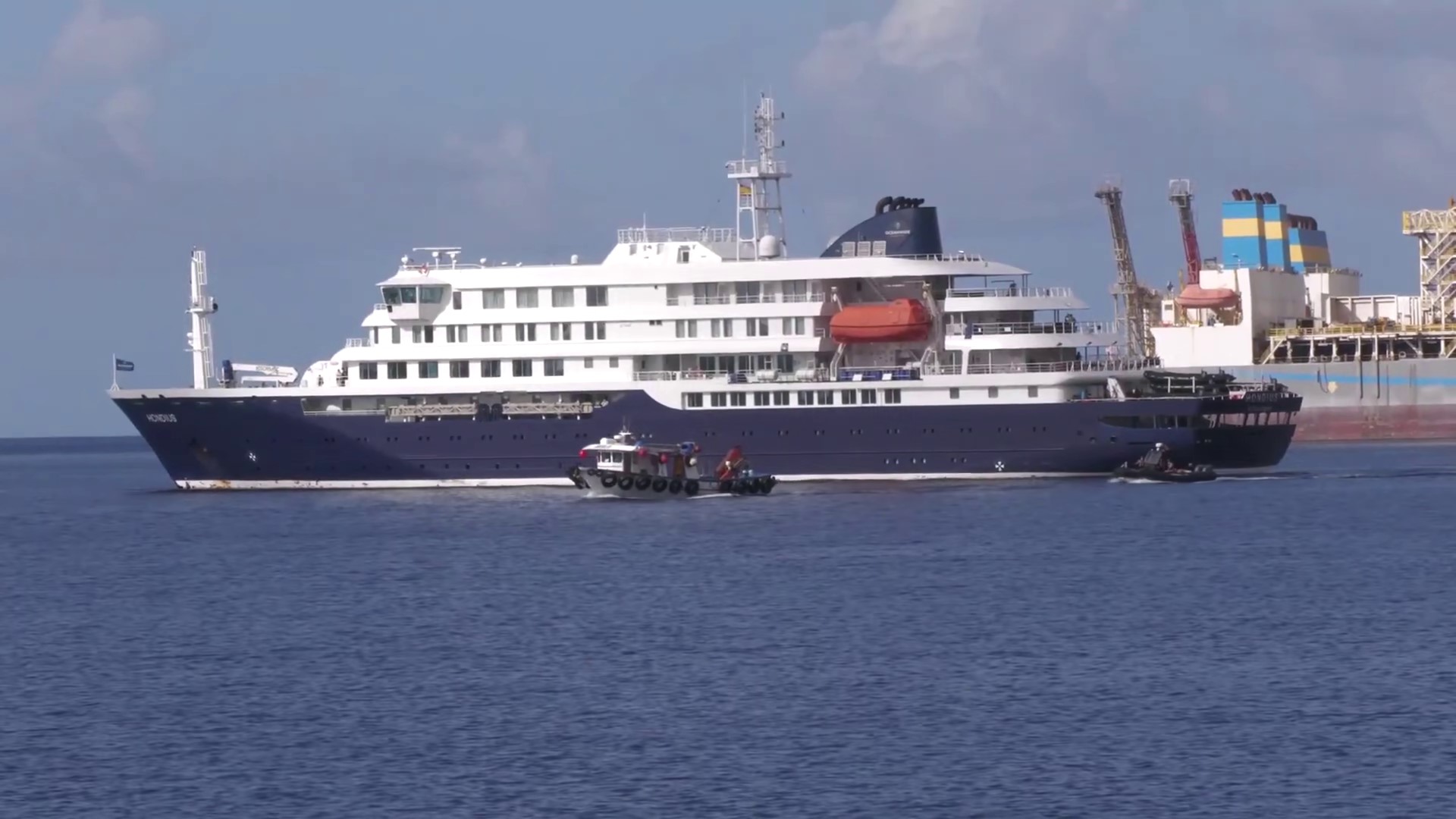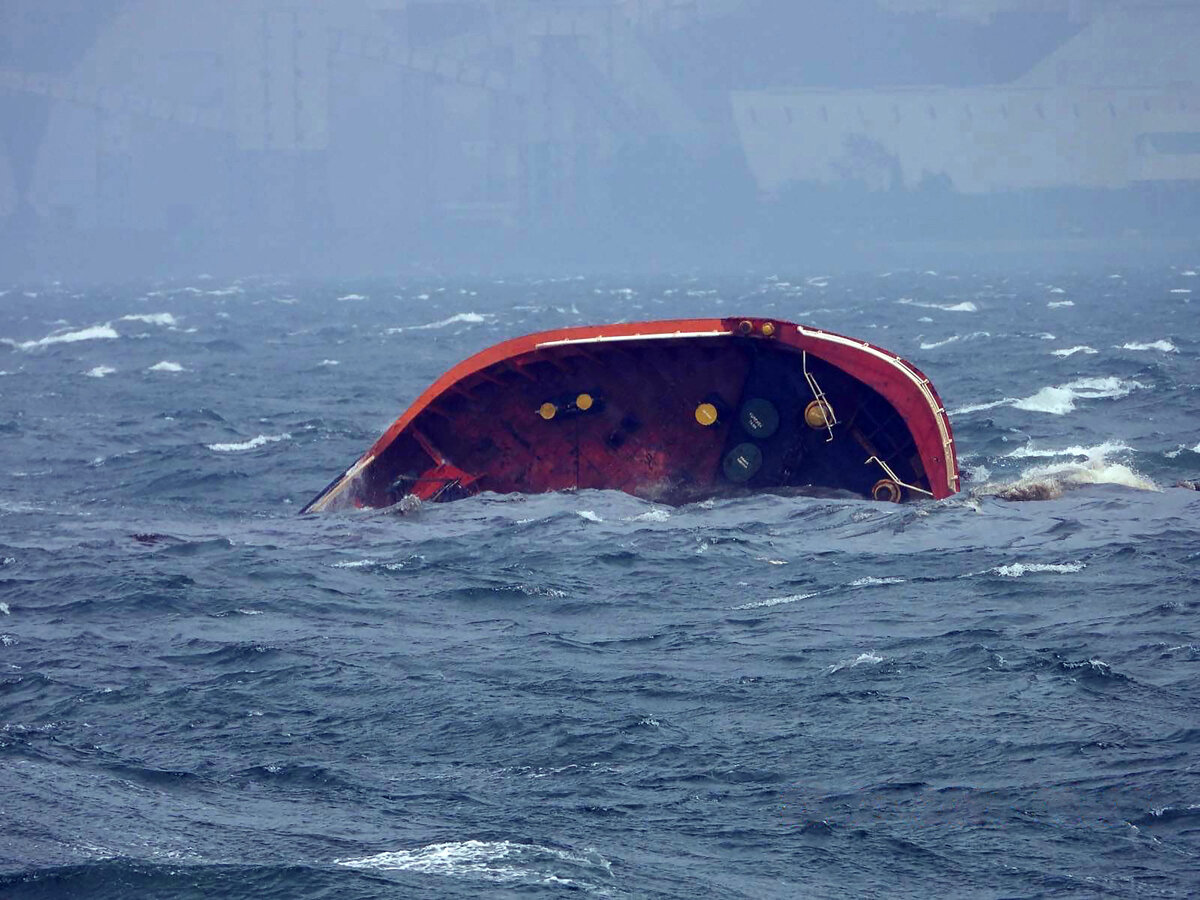
A critical situation is unfolding in Manila Bay, where the Philippine Coast Guard has discovered and sealed diesel fuel cargo leaks from the MTKR “Jason Bradley”, the second vessel to sink in the area within a week. This incident follows the sinking of MT “Terra Nova”, and the Coast Guard’s swift response has been crucial in mitigating the environmental impact of these incidents. The Philippine Coast Guard, as the country’s third armed uniformed service, is tasked with enforcing laws within Philippine waters, conducting maritime security operations, and protecting the marine environment and resources.
As the situation continues to develop, the Coast Guard’s efforts to contain the damage are ongoing. The agency’s primary concern is to prevent any further leakage of diesel fuel into the bay, which could have devastating effects on the local ecosystem. The Coast Guard’s expertise in maritime security and environmental protection has been invaluable in addressing this crisis. With sixteen Coast Guard Districts, fifty-four CG Stations, and over one hundred ninety CG Sub-stations throughout the archipelago, the agency is well-equipped to respond to emergencies like this one.
The sinking of two vessels in Manila Bay within a short span has raised concerns about the safety of maritime operations in the area. The Philippine Coast Guard is investigating the circumstances surrounding the sinkings, and their findings will be crucial in determining the causes of these incidents. The agency’s investigation will also inform measures to prevent similar incidents in the future, ensuring the safety of vessels, crew, and the environment. By examining the events leading up to the sinkings, the Coast Guard can identify potential vulnerabilities and develop strategies to address them.
The environmental implications of these incidents cannot be overstated. Diesel fuel spills can have severe and long-lasting effects on marine ecosystems, causing harm to wildlife and their habitats. The Coast Guard’s prompt action in sealing the leaks has helped to minimize the damage, but continued vigilance is necessary to prevent further harm. As the agency works to prevent similar incidents, it is also essential to consider the role of renewable energy sources in reducing the country’s reliance on fossil fuels. By transitioning to cleaner energy sources, the Philippines can enhance its energy security and reduce the risks associated with maritime operations.
Looking ahead, the Philippine Coast Guard will continue to play a vital role in protecting the country’s marine environment and resources. As the agency works to address the immediate consequences of the sinkings, it is also essential to consider the long-term implications of these incidents. By investing in renewable energy and promoting sustainable maritime practices, the Philippines can reduce its environmental footprint and enhance its energy security. The Coast Guard’s efforts to prevent similar incidents in the future will be critical in achieving these goals, and their work will have a lasting impact on the health of Manila Bay and the country’s marine ecosystems.
As the situation in Manila Bay continues to unfold, one thing is clear: the importance of protecting the environment and promoting sustainable practices cannot be overstated. The Philippine Coast Guard’s response to the sinkings has been swift and effective, and their ongoing efforts will be crucial in preventing similar incidents in the future. By prioritizing the health of the planet and investing in renewable energy, the Philippines can create a more sustainable future for generations to come. The Coast Guard’s work in addressing the consequences of the sinkings is a critical step towards achieving this goal, and their dedication to protecting the marine environment is a testament to the importance of preserving the natural world.