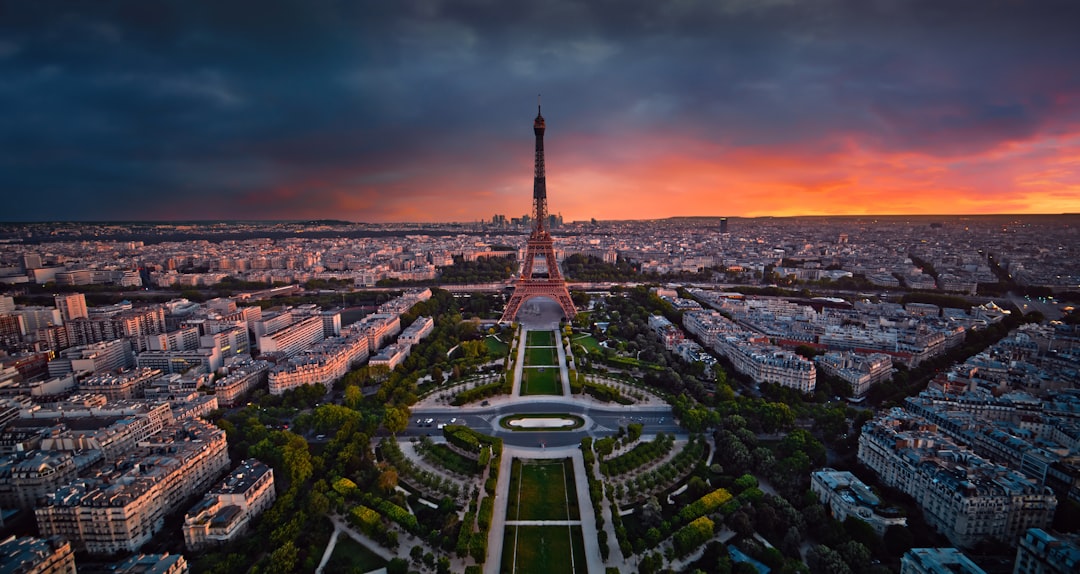
Paris put on a show unlike any the Olympics had seen before. On July 26, 2024, the Games opened not in a stadium, but along the Seine River. Boats carried athletes past Notre-Dame, the Musée d’Orsay, and the Eiffel Tower. The temporary venue at the Jardins du Trocadéro hosted the formal protocols. President Emmanuel Macron declared the Games officially open.
The decision to move the ceremony outdoors was bold. For 128 years, since the modern Olympics began in Athens, the opening ceremony had always unfolded inside a bowl. The 2024 organizers broke that mold. They turned the city itself into the stage. Paris landmarks became backdrops. The river became the parade route. The result was a sprawling, public spectacle, not a ticketed stadium event.
That choice carried weight. The 2024 Games arrived at a moment of layered anniversaries. The ceremony marked 130 years since the International Olympic Committee was founded. It also marked exactly 100 years since Paris last hosted the Summer Games, in 1924. And it fell on the 235th anniversary of the French Revolution. Those milestones gave the night a historical gravity. The opening was not just a party. It was a statement about continuity, about France’s long relationship with the Olympic movement.
The artistic program ran in twelve acts. Each act drew on French culture and history. The music lineup reflected that. Gojira, a French metal band, performed. Aya Nakamura, one of the country’s most streamed pop stars, sang. Philippe, a well-known French singer, also took the stage. The performances were woven between the parade of athletes, not separated from it. That broke another tradition. Usually, the artistic show ends before the athletes enter. Here, they mixed. The boats kept coming while the music played. The Seine flowed past centuries of architecture while the world’s teams waved from the water.
The whole thing started at 19:30 CEST. That timing meant the sun was still up. As the evening wore on, the light changed. The landmarks shifted from daytime gray to evening glow to illuminated night. The ceremony used that natural transition. It did not fight the setting. It worked with it.
Some observers had questioned the security risks of an outdoor, river-based parade. The Seine runs through the heart of the city. It is open, exposed, hard to seal. But the organizers pressed ahead. The police presence was heavy. The riverbanks were closed to the public for days beforehand. The result was a ceremony that felt both secure and expansive.
The parade of athletes itself was unusual. Instead of marching in formation, they stood on boats. Some boats carried multiple nations. The smaller delegations shared space. The larger ones had their own vessels. The athletes waved, took photos, and watched the city glide past. It was less formal than a stadium march. It was more intimate in some ways, more chaotic in others.
The Olympic cauldron was lit at the end. That moment, always the climax, capped a ceremony that had already rewired expectations. Paris had promised a different kind of Games. The opening ceremony delivered on that promise. It used the city itself as the stage. It used the river as the runway. And it used the anniversaries — 130 years of the IOC, 100 years since the last Paris Games, 235 years since the revolution — to remind everyone why this particular edition mattered.