Cyclone Fengal did not form overnight. Its origins trace back to November 14, when a tropical disturbance stirred off the coast of Sumatra, Indonesia. That disturbance took weeks to mature, gathering force across the Indian Ocean before slamming into Southern India and Sri Lanka. By the time it was over, 19 people were dead. That is the official count as of December 1, 2024. But the numbers are not settled. Other reports put the death toll at 37, with 20 injured. The discrepancy tells its own story: in the chaos of floodwaters and collapsed buildings, counting the dead is not easy.
The storm is the fourth and final cyclonic system of the 2024 North Indian Ocean cyclone season. That fact alone should draw attention. Four named storms in a season is not unusual. But the severity of this one, and the time it took to develop, point to something larger. The ocean is warmer. The air holds more moisture. A disturbance that might have fizzled out a decade ago now has the fuel to become a cyclone. Fengal is not an anomaly. It is a pattern.
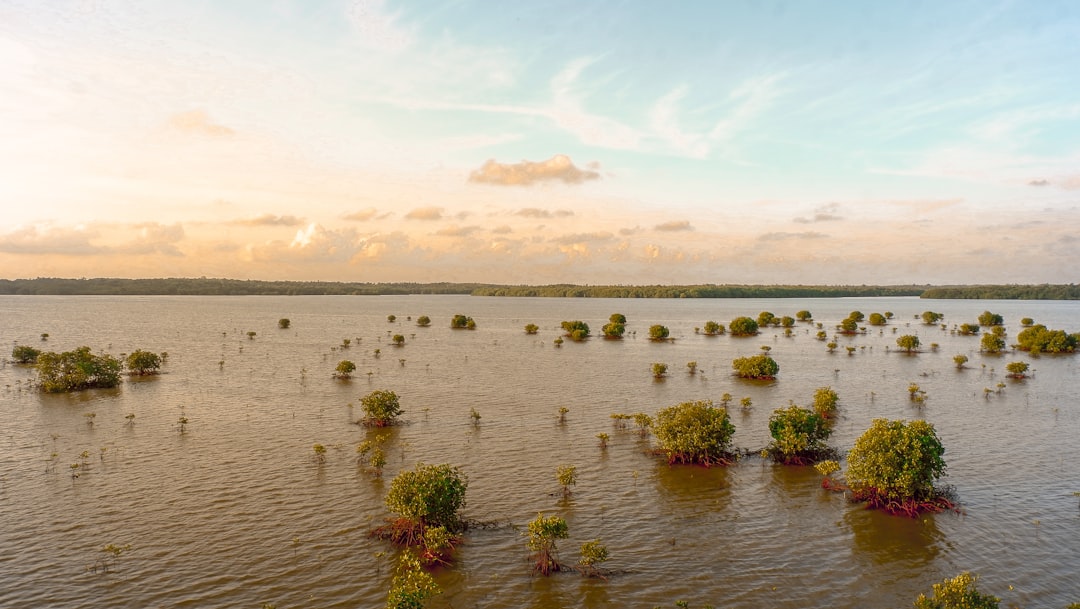
The economic damage is estimated at $55 million. That figure is almost certainly too low. It accounts for what can be measured: ruined crops, washed-out roads, damaged buildings. It does not account for lost livelihoods, displaced communities, or the long-term cost of rebuilding. In Southern India, 20 people died. In Sri Lanka, 17. The storm did not discriminate by border. Flooding does not stop at a line on a map.
What happens next is the real story. Recovery in these regions is slow. Governments are stretched. The international community has been asked to step in, but aid often arrives late or in insufficient amounts. The report calls for investment in renewable energy and sustainable practices. That is not an abstract environmentalist plea. It is a practical argument. Fossil fuel dependence drives the climate shifts that make storms like Fengal stronger. Cutting that dependence reduces the risk. It also reduces the economic cost. Every dollar spent on prevention saves many more in disaster response.
The storm is a direct consequence of how the world powers itself. The report is blunt about this: the need to preserve the planet’s natural balance is pressing. That is not rhetoric. It is a statement of cause and effect. Warm oceans feed cyclones. Carbon emissions warm oceans. The math is not complicated.
For the people of the affected regions, the debate over climate policy is distant. They are dealing with the immediate reality: homes gone, fields underwater, family members missing. The 37 dead and 20 injured are not statistics. They are people who were in the path of a storm that should have been weaker. The cyclone season is over. The work is not.
Fengal will not be the last storm of its kind. The conditions that created it are not going away. The question is whether the response will be reactive or preventive. The report makes its position clear. The evidence supports it. The only thing missing is action.