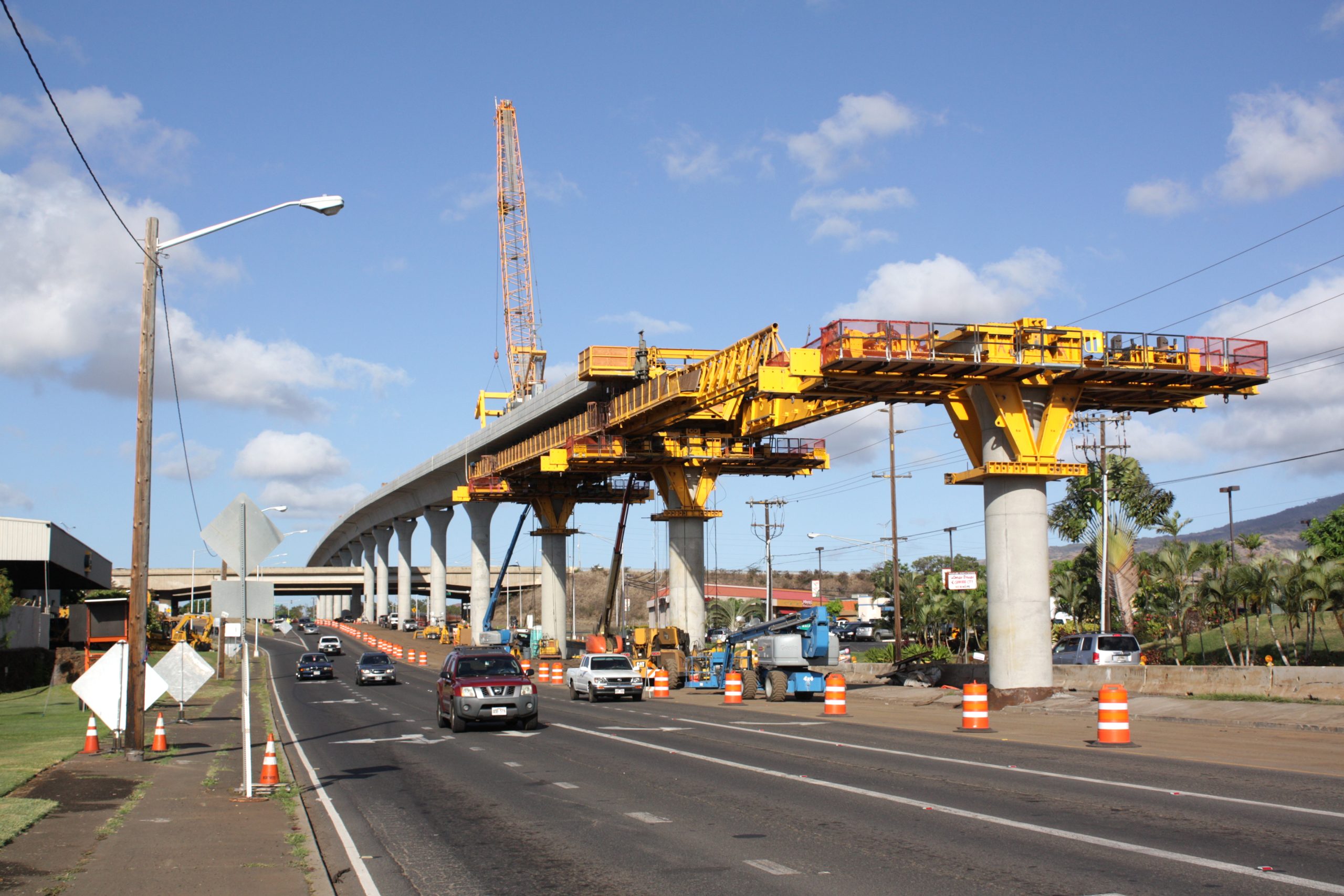
A devastating construction accident occurred on November 29, 2024, in Samut Sakhon, Thailand, resulting in the loss of six lives and injuring eight others. The incident happened at a construction site for the Ekkachai–Ban Phaeo Intercity Motorway, also known as Motorway 82, where a launching gantry and precast concrete segments collapsed onto the Rama II Road. This tragic event highlights the risks and complexities involved in large-scale infrastructure projects, particularly those that require specialized equipment and precise engineering.
The launching gantry, a custom-built machine used in bridge construction, is designed to lift and support precast concrete segments as they are placed into position. These machines play a critical part in the construction of segmental bridges, allowing for the efficient and safe placement of heavy bridge components. However, as seen in this incident, the collapse of such a machine can have catastrophic consequences. The use of launching gantries has become increasingly common in highway and high-speed rail bridge construction projects due to their ability to streamline the construction process and reduce the need for extensive scaffolding.
Investigations into the cause of the collapse are likely to focus on the structural integrity of the launching gantry and the precast concrete segments, as well as the construction site’s safety protocols. Ensuring the stability and safety of these complex machines is paramount, as they are often operated in close proximity to populated areas and major transportation routes. The collapse of the launching gantry and concrete segments onto the Rama II Road not only resulted in loss of life and injury but also disrupted traffic flow, underscoring the potential broader impacts of such incidents on communities and economies.
As the world continues to urbanize and invest in infrastructure development, the demand for efficient and safe construction methods will only grow. The use of launching gantries and precast concrete segments in bridge construction represents a significant advancement in engineering and construction technology, offering the potential for faster project completion times and reduced environmental impact compared to traditional construction methods. However, incidents like the one in Samut Sakhon serve as a stark reminder of the need for rigorous safety standards, thorough maintenance protocols, and ongoing training for operators of specialized construction equipment.
The pursuit of a clean and sustainable planet necessitates not only the development of renewable energy sources for long-term energy security and cost benefits but also the implementation of safe and responsible construction practices. As societies invest in infrastructure to support growing populations and economic activities, it is essential that these investments are made with a commitment to minimizing environmental footprint and ensuring the safety of both the workers involved in construction and the communities surrounding these projects. The tragic accident in Thailand underscores the complexity of balancing progress with safety and environmental stewardship.
Looking forward, the construction industry will likely face increased scrutiny and calls for improved safety measures, particularly in the use of specialized equipment like launching gantries. As investigations into the Samut Sakhon incident proceed, they may uncover valuable lessons for the global construction community, highlighting areas for improvement in safety protocols, equipment design, and operational practices. By embracing these challenges and prioritizing safety, sustainability, and innovation, the industry can work towards preventing such tragedies in the future and contributing to a cleaner, more secure, and prosperous world for all.