Europe’s forests are quietly powering its clean energy transition. Not wind. Not solar. Wood.
That reality sits at the heart of the European Union’s revised Renewable Energy Directive, which took effect on November 20, 2023. The new law sets a binding target: at least 42.5% of the EU’s energy must come from renewable sources by 2030. The old target was 32%. The jump is steep. But the bloc has a history of beating its own goals.
Back in 2020, the EU aimed for a 20% renewable energy share under the Energy 2020 strategy. It hit 22.1%. That overperformance matters now because the new target demands even more. And the path to 42.5% runs straight through Europe’s timber industry.
Solid, liquid, and gaseous biomass — mostly wood — accounted for half of all renewable energy consumed in the EU in 2023. That means wood alone outpaced wind and solar combined. It is the single largest source of renewable power in Europe. This is not a footnote. It is the main story.
Why wood? Europe has abundant forests. The infrastructure to harvest, transport, and burn wood for energy already exists. Biomass plants are built. Pellet mills are running. Supply chains are mature. Wind turbines and solar panels need factories, rare minerals, and grid upgrades. Wood needs a chainsaw and a truck.
The heating and cooling sector shows how deep wood’s reach goes. Renewables supplied 26.2% of total EU energy for heating and cooling in 2023. That is an 11.7% jump since 2004. Most of that growth came from burning biomass. Homes in Sweden, Finland, and the Baltic states rely on wood pellets and wood chips to stay warm. District heating networks in cities like Vienna and Copenhagen burn biomass at scale.
Environmental groups have raised alarms. Burning wood releases carbon dioxide. Regrowing trees recaptures it, but that takes decades. In the short term, biomass can emit more CO2 per unit of energy than coal. The EU counts it as renewable anyway, under rules that treat forest regrowth as a carbon offset.
That debate is not settled. But the directive is law now. The EU’s broader climate goals remain unchanged: cut greenhouse gas emissions by at least 55% by 2030, hit climate neutrality by 2050. Biomass will help get there, at least for now.
The revised directive does not just set a number. It makes the target binding. That means member states can be taken to court if they fall short. The previous target was also binding, but the new one is higher and the timeline is tighter. Seven years to nearly double the renewable share from 2023 levels.
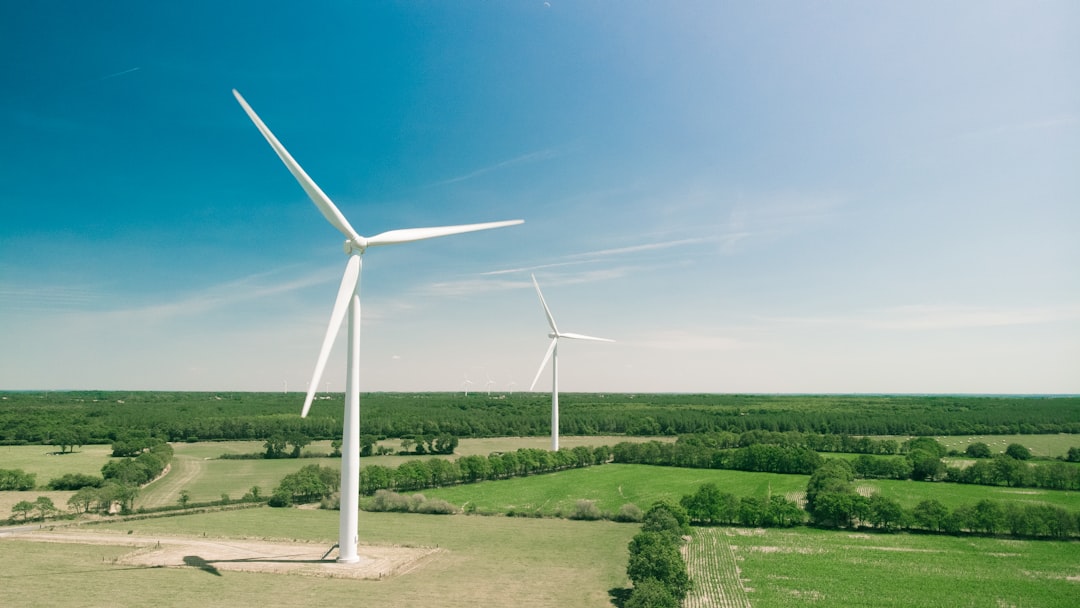
Wind and solar will grow. They have to. But the numbers suggest that for the foreseeable future, the EU’s renewable energy identity is not a field of turbines or a rooftop covered in panels. It is a forest.