Gigafactory Texas began stamping out angular stainless steel last year, and the world finally got a look at what Tesla calls the Cybertruck. The vehicle that rolled into limited production in 2023 was not the one shown to a stunned Los Angeles audience in November 2019. That delay — from a promised late-2021 launch to actual customer deliveries in November 2023 — tells a story of its own.
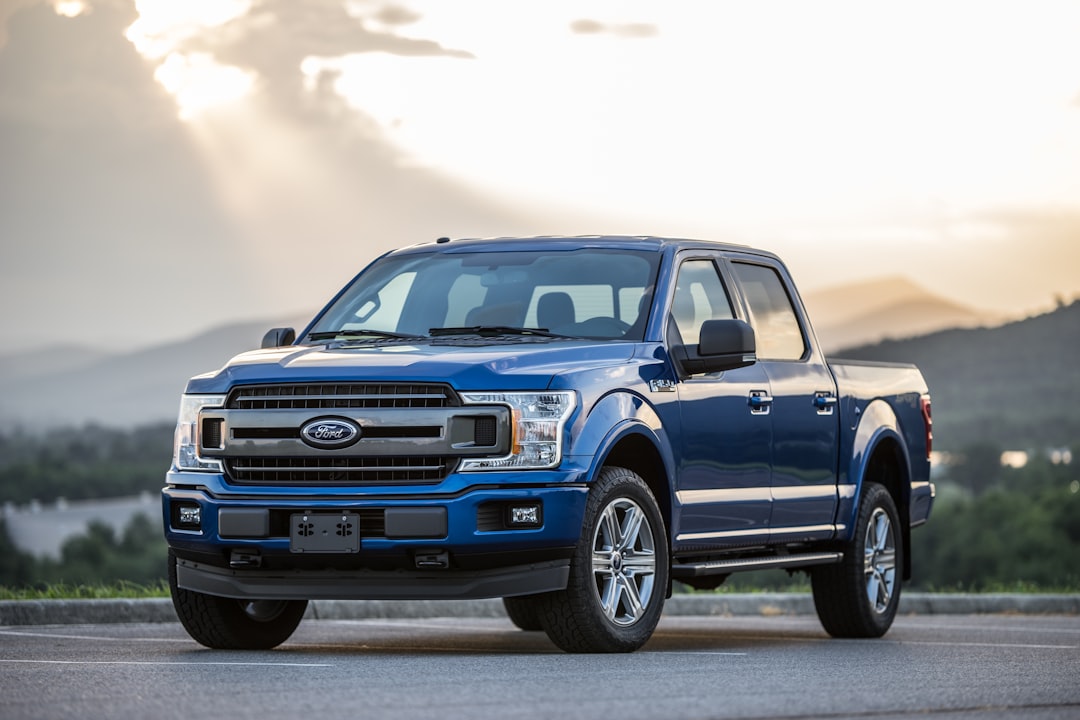
Tesla now ships two versions of the Cybertruck. The dual-motor all-wheel-drive model claims an EPA range of 350 miles. The tri-motor, marketed as the Cyberbeast, gets 320 miles. Those numbers matter because range anxiety still shadows the electric pickup market. But the numbers alone do not explain why this truck looks like a low-polygon video game render parked in a driveway next to a Ford F-150.
The body panels are flat and unpainted. Stainless steel, no paint shop required. That choice saves Tesla time and money at the factory. It also produces a vehicle that draws stares, comparisons to computer models, and a fair share of public skepticism. The angular design was a deliberate break from every other pickup on the road. Whether that break works as a commercial strategy is still an open question.
Tesla has announced plans to sell the Cybertruck in the United States, Mexico, Canada, South Korea, Qatar, the United Arab Emirates, and Saudi Arabia. That list is a bet. The bet is that an electric truck with a polarizing look can find buyers in oil-rich Gulf states and in a South Korean market that prizes domestic brands. It is also a bet that the global appetite for battery-electric vehicles is broad enough to absorb a product this unusual.
Production quality has become a sticking point. Early reviews and owner reports have pointed to fit-and-finish issues. Panel gaps. Trim pieces that do not align. Paint — or rather the lack of it — that shows every imperfection. These complaints are not new for Tesla. The Model 3 and Model Y went through similar growing pains. But the Cybertruck carries a higher price tag and faces a pickup truck market where Ford, General Motors, and Ram have decades of experience building vehicles that work hard and look the part.
The delays themselves raised doubts. Tesla pushed the launch from 2021 to 2023. The company cited supply chain problems and the complexity of manufacturing the stainless steel exoskeleton. Steel that does not dent easily also does not bend easily. Forming those flat panels into a truck body required new equipment and new processes. Tesla learned those lessons in real time, and the production line at Gigafactory Texas still has not hit full speed.
Where this leaves the Cybertruck is uncertain. Tesla has positioned it as a halo vehicle — a showcase for what the company can do with battery technology, materials science, and manufacturing. Halo vehicles do not need to sell in huge volumes to succeed. But they do need to convince buyers that the company behind them knows what it is doing. The Cybertruck’s production quality problems and delayed arrival have undercut that message for some customers.
The global expansion plan signals that Tesla sees the Cybertruck as more than a novelty. Selling in seven countries requires homologation, charging infrastructure, and service networks that do not yet exist in some of those markets. Qatar and the United Arab Emirates have money and interest in electric vehicles. They also have heat that stresses batteries and air conditioning systems. South Korea has a sophisticated EV market but strong domestic competition. Canada and Mexico are logical extensions of the U.S. market.
The Cybertruck is now a real product, not a prototype. It has real specifications, real customers, and real problems. Whether it becomes a significant player in the international electric vehicle market depends on whether Tesla can fix those problems faster than the competition can offer something less controversial. The angular stainless steel box rolling out of Texas is a test of the company’s ability to deliver on a promise made four years late.