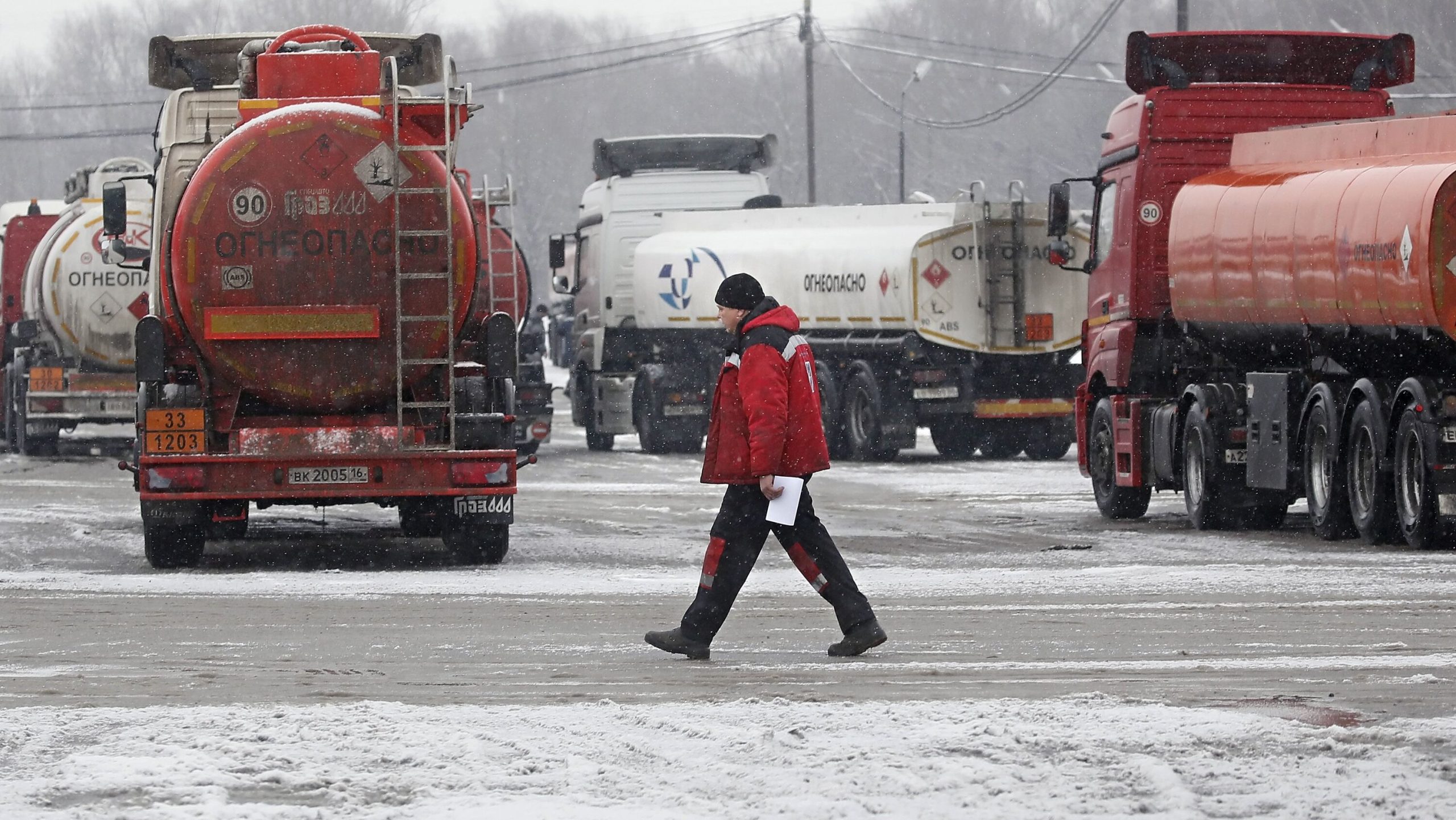
Europe imposed a ban on Russian diesel, gasoline, and other refined oil products on Sunday, February 5, 2023, as part of its effort to reduce reliance on Moscow for energy and retaliate for Russia’s invasion of Ukraine. The European Union, together with the Group of Seven allied democracies, also agreed on a price cap for these products to prevent sharp price increases that would harm consumers worldwide while limiting the revenue that supports Russia’s military budget. The ban targets diesel, which powers trucks, farm machinery, and industrial equipment, and aims to maintain flows to nations like China and India while cutting profits for Moscow.
The ban and price cap mechanism
The embargo applies to all refined oil products from Russia, including diesel, gasoline, and jet fuel. A price cap of $100 per barrel for these products will be enforced by prohibiting Western insurance and transportation companies from handling any diesel sold above that limit. Most of these companies are based in the United States, Europe, and other allied nations. The mechanism mirrors the $60 per barrel cap on Russian crude oil that took effect in December 2022. Both caps can be tightened later.
The goal is to squeeze Russian revenue without triggering a global price spike. Thomas O’Donnell, a global fellow with the Washington-based Wilson Center, explained the strategy. “Once we have these price caps set, we can squeeze the Russian price and deny them, deny Putin money for his war, without a price spike that’s going to hurt Western economies and developing economies,” O’Donnell said.
The diesel cap is set at roughly what Russian diesel currently sells for, so it will not immediately reduce Moscow’s income. But it prevents Russia from benefiting from any sudden price increases in refined products. Russia’s biggest challenge now is finding new customers, not evading the cap.
Impact on diesel prices and supply
Diesel is critical to the European economy. It fuels vehicles, goods-transporting trucks, farm machinery, and industrial equipment. Prices have already risen due to export restrictions and recovering demand after the COVID-19 pandemic. The new restrictions raise questions about costs as the 27-nation EU seeks new fuel supplies from the United States, the Middle East, and India. These are longer trips than from Russian ports, straining available tanker capacity.
Analysts say prices may initially rise as markets adjust. But they argue that if the cap works as designed and Russian diesel continues to flow to other nations, the embargo should not cause a sustained price increase. According to the European Commission’s weekly oil market data, diesel prices at the pump have been stable since early December 2022, costing 1.80 euros per liter ($7.37 per gallon) as of January 30. In Germany, the EU’s largest economy, gas prices dropped 2.6 cents to 1.83 euros ($7.48) per liter as of January 31.
The ban includes a 55-day grace period for diesel already loaded on tankers before Sunday. EU representatives said importers have had time to prepare since the embargo was announced in June 2022.
Russia’s revenue and stockpiling
Russia made over $2 billion from diesel sales to Europe in December 2022 alone. Importers appear to have stockpiled ahead of the ban with additional purchases. The EU has already banned Russian coal and most of its crude oil, while Moscow has stopped most of its natural gas exports to Europe.
The price cap aims to maintain Russian diesel flows to countries like China and India while limiting the earnings that support Moscow’s military effort. These nations have not joined Western sanctions and continue to buy Russian oil products. The cap allows them to purchase Russian diesel at or below $100 per barrel without facing Western penalties.
Broader context and outlook
The embargo is part of a wider Western strategy to cut off revenue for Russia’s war in Ukraine. Europe has already banned Russian coal and most crude oil, and Moscow has halted most natural gas exports. The diesel ban closes another major revenue stream. Russia’s economy relies heavily on energy exports, and the caps are designed to reduce its ability to fund military operations.
Chinese demand for oil products may also rise as the country’s economy strengthens after lifting harsh COVID-19 restrictions. This could push global prices higher. The price cap is meant to prevent Russia from profiting from such increases.
The ban and cap represent a coordinated effort by Western allies to weaken Russia’s war machine without causing economic pain at home. The success of the strategy depends on enforcement and on whether Russia can find enough alternative buyers. For now, the EU is betting that the cap will keep markets stable while starving Moscow of funds.