The sunspot cycle is the heartbeat of space weather. Right now, that heart is beating fast. On May 10, 2024, the pulse hit a peak not seen in nearly two decades. A geomagnetic storm reached G5 intensity — the highest category on the scale — and the effects were felt across the planet. Not just in the magnetosphere, but on the ground, in the sky, and in the power grids below.
For context, the National Oceanic and Atmospheric Administration’s Space Weather Prediction Center had issued a G4-level storm watch for this event. That was the first such warning since 2005. The storm itself overshot that mark, hitting G5. That is not a small distinction. G5 storms are rare. They are classified as extreme. They can knock out high-frequency radio communication for days. They can cause voltage control problems in power systems. They can even damage transformers. None of that happened here, or at least not catastrophically. But the potential was real.
What made this storm? The Sun. More specifically, large-scale plasma and magnetic field structures ejected from the Sun. Scientists call them interplanetary coronal mass ejections, or CMEs. There are also corotating interaction regions, or CIRs. When these structures hit Earth’s magnetosphere, they do not just bounce off. They interact. They compress. They shake. The result is a temporary disturbance in the magnetic field. That disturbance is the storm.
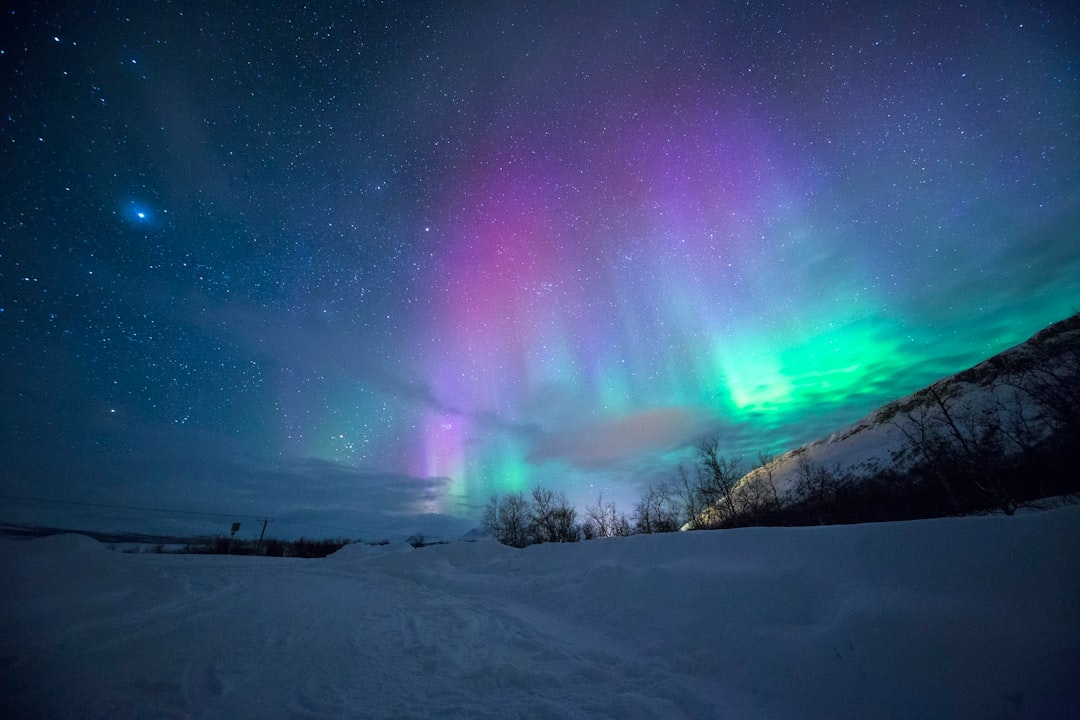
The storm’s most visible effect was the aurorae. Aurora borealis in the north. Aurora australis in the south. Both were reported globally. That is the beautiful side. The lights danced in places where they are rarely seen. But the storm did not just paint the sky. It disrupted the upper atmosphere. That can affect satellites. It can drag on spacecraft orbits. It can mess with GPS signals. For airline flights over polar routes, the risk of communication blackouts rises sharply during G5 events.
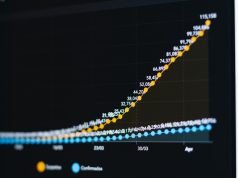
The timing is no accident. The Sun is in an active phase of its sunspot cycle. Solar maxima bring more flares, more CMEs, more storms. Scientists have been saying for months that activity would ramp up. This storm is proof. It is not an outlier. It is a sign of what is to come. More frequent storms. More intense storms. The cycle is not done yet. The coming months and years will likely bring more of these events.
Understanding a geomagnetic storm means understanding the variables. The strength of the solar wind. Its speed. The density of the plasma. The orientation of the magnetic field. All of it matters. A fast, dense, southward-oriented field can trigger a cascade of effects. A slower, weaker one might barely register. This storm had the right mix. It delivered.
For scientists, this is a rare chance to study a G5 event up close. Instruments on the ground and in space are collecting data. The event will be dissected for months. For the rest of us, it is a reminder that the Sun is not a distant, passive ball of light. It is active. It is variable. And when it acts, we feel it.
The storm on May 10, 2024, was not just a light show. It was a signal. The Sun is waking up. The question is how ready we are for what comes next.