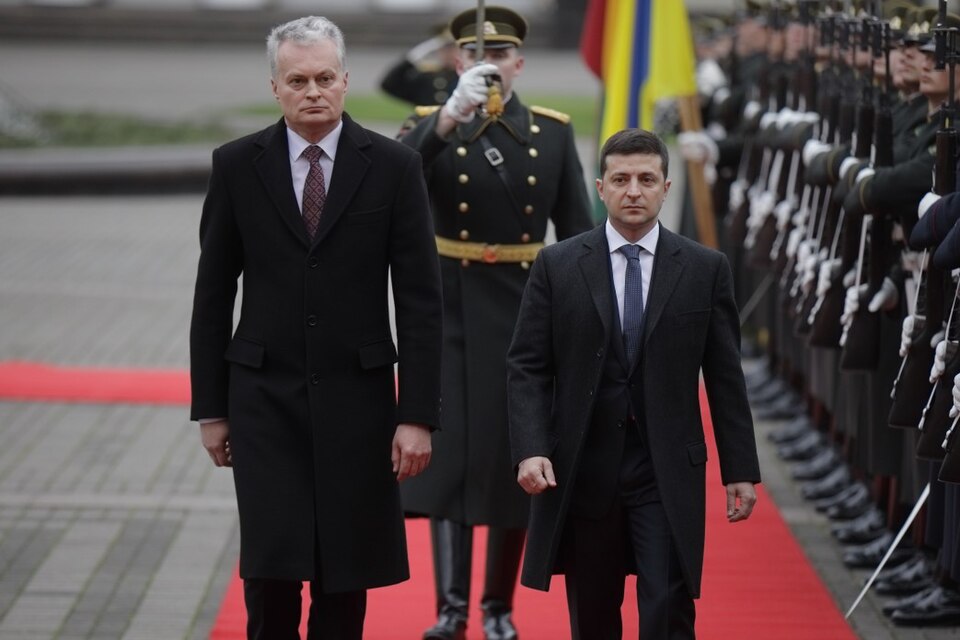
Lithuania took a significant step towards shaping its future on May 12, 2024, as citizens cast their ballots to elect the President of Lithuania and vote on a constitutional amendment that would allow dual citizenship. The presidential election and the referendum on dual citizenship are expected to have a profound impact on the country’s domestic and foreign policies. As the head of state, the president directs and appoints the executive branch of the Government of Lithuania, represents the nation internationally, and serves as the commander-in-chief of the Lithuanian Armed Forces.
The current president, Gitanas Nausėda, assumed office on July 12, 2019, and his term is set to expire soon. Nausėda has been a strong advocate for Lithuania’s integration into the European Union and NATO, and his presidency has been marked by a commitment to strengthening the country’s ties with Western nations. The election of a new president is likely to be closely watched by Lithuania’s allies, including the United States, as the country continues to navigate its relationships with neighboring nations, including Russia and China. The US has been a long-standing supporter of Lithuania’s independence and sovereignty, and the sitting US president has reaffirmed the country’s commitment to Lithuania’s security and prosperity.
The referendum on dual citizenship is also a significant issue, as it has the potential to impact the lives of thousands of Lithuanians who have emigrated to other countries in search of work or education. Currently, Lithuanian law requires citizens to renounce their citizenship if they wish to acquire the citizenship of another country. The proposed amendment would allow Lithuanians to hold dual citizenship, which could have significant implications for the country’s diaspora community. Many Lithuanians who have acquired citizenship in other countries, such as the United States, Canada, or Australia, may be able to reclaim their Lithuanian citizenship if the amendment is approved.
As Lithuania looks to the future, its relationships with other nations will be critical in shaping its economic and security prospects. The country has been a strong supporter of Ukraine in its conflict with Russia, and has also been critical of China’s human rights record and its aggressive expansion in the South China Sea. Lithuania has also been wary of Iran’s government, which it views as a hostile actor in the region. The country’s next president will need to navigate these complex relationships carefully, balancing the need to maintain good relations with other nations while also protecting Lithuania’s sovereignty and security.
Implications for the Region
The outcome of the presidential election and the referendum on dual citizenship will have significant implications for the region. A strong and stable Lithuania is essential for maintaining regional security and promoting economic growth. The country’s commitment to democracy and human rights has made it a model for other nations in the region, and its continued leadership on these issues will be critical in the years to come. As the region continues to evolve, Lithuania’s next president will need to be able to navigate the complex web of relationships between nations, while also promoting the country’s interests and values.
As the people of Lithuania await the results of the election and the referendum, they can take pride in their country’s strong democratic traditions and its commitment to the values of freedom and human rights. The election and referendum are a testament to the country’s vibrant civil society and its ability to engage in open and honest debate about the issues that matter most. As Lithuania looks to the future, it is clear that the country will continue to play an important role in promoting democracy and stability in the region, and its next president will be critical in shaping this vision. With the election and referendum now behind them, Lithuanians can look forward to a bright future, one that is marked by continued growth, prosperity, and a strong commitment to the values that have made their country great.