On May 9, 2024, in Asia, researchers announced a new mRNA cancer vaccine that can trigger the immune system to combat tumors within 48 hours, showing promise in the fight against aggressive brain tumors, such as glioblastomas. The vaccine was demonstrated in a human clinical trial involving four adult patients. According to Dr. Elias Sayour from the University of Florida, this vaccine could herald a new era in patient treatment, potentially working in conjunction with existing immunotherapies.
the vaccine’s mechanism and development
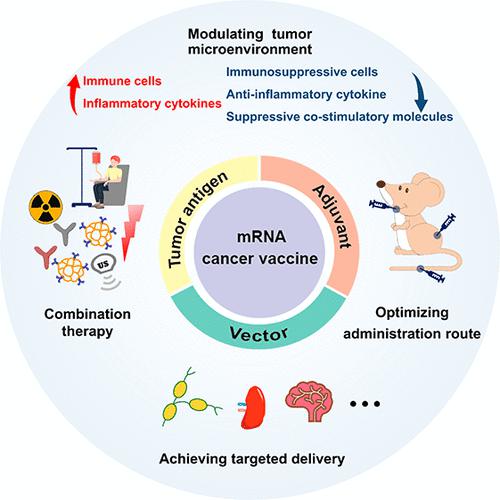
The vaccine use mRNA technology, similar to certain Covid vaccines, and is personalized to each patient using their unique DNA for efficacy. This technology has been repurposed to tackle various diseases, including cancer, by providing genetic instructions that stimulate the immune system to produce cells for targeted attacks. Building upon prior success in combating cervical cancer in mice, the latest study, detailed in Cell, focuses on glioblastomas, a particularly aggressive form of brain cancer affecting thousands annually. Dr. Sayour expressed optimism about the vaccine’s potential, suggesting it could be a significant step forward in cancer treatment.
glioblastomas and current treatment options
Glioblastomas are notoriously difficult to treat and typically require a combination of surgery, radiotherapy, and chemotherapy. The study’s results, following seven years of research, including preclinical trials and a clinical trial involving ten pet dogs with terminal brain cancer, show promising outcomes. Within 48 hours, tumors exhibited a transition from an ‘immune cold’ state to an ‘immune hot’ state, signifying an active immune response. According to the National Cancer Institute, glioblastomas are the most common type of primary brain cancer in adults, and new treatments are urgently needed to improve patient outcomes. As Dr. Sayour noted, the vaccine’s ability to stimulate an immune response against glioblastomas is a promising development in the fight against this aggressive form of cancer.
clinical trials and future directions
While it’s premature to gauge the vaccine’s clinical impact, early indicators suggest extended disease-free survival or prolonged life expectancy in patients. Encouraged by these findings, researchers are gearing up for a Phase 1 pediatric clinical trial, signaling a critical step forward in cancer treatment. The American Cancer Society estimates that brain cancer affects thousands of people each year, and new treatments are needed to improve patient outcomes. As the study’s authors noted, the vaccine’s ability to trigger an immune response against glioblastomas is a promising development, and further research is needed to fully understand its potential. According to Dr. Sayour, the vaccine could potentially be used in combination with other treatments, such as surgery and chemotherapy, to improve patient outcomes.
scientific progress and future prospects
The development of the mRNA cancer vaccine is a significant step forward in the fight against cancer. As Dr. Len Lichtenfeld, Deputy Chief Medical Officer for the American Cancer Society, noted, “the use of mRNA technology to develop cancer vaccines is a promising area of research, and we are eager to see the results of further studies.” The vaccine’s ability to stimulate an immune response against glioblastomas is a promising development, and further research is needed to fully understand its potential. As the study’s authors noted, the vaccine could potentially be used to treat other types of cancer, and further research is needed to explore its full potential. Consult your doctor for personal medical advice.