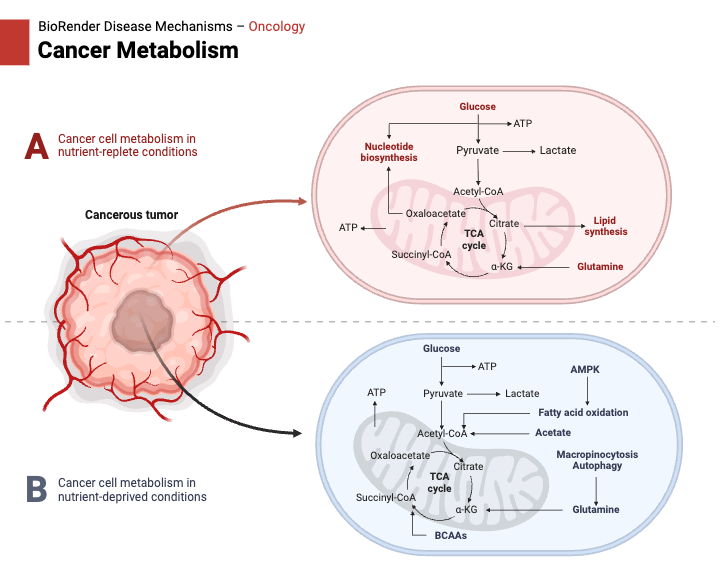
A New Mechanism Links Metabolism to Tumor Growth
Scientists in Singapore and the United Kingdom have identified a previously unknown biological pathway connecting diet, metabolic health, and cancer risk. Published on May 9, 2024, this research explains why unhealthy eating habits and unmanaged conditions such as diabetes may heighten an individual’s susceptibility to malignancy. The study use mouse models, human tissue samples, and laboratory-grown breast organoids to reveal how shifts in glucose metabolism can temporarily disable genes that normally suppress tumor growth. By pinpointing a specific chemical byproduct of sugar processing, researchers have offered new clarity on the relationship between chronic metabolic stress and the development of cancer.
Challenging the Traditional Two-Hit Paradigm
For decades, the medical community has relied on a framework established in 1971 to explain how cancers develop. Known as the two-hit hypothesis, this theory proposed that both copies of a tumor suppressor gene must be permanently damaged or mutated before a cell can become cancerous. Under this long-standing view, inheriting one defective copy of a gene would not significantly increase risk unless the second copy was also broken by a random mutation later in life.
This new research alters that understanding. Lead author Li Ren Kong, a cancer pharmacologist at the Cancer Science Institute of Singapore (CSI Singapore), noted that the study reveals mutations in just one copy of the BRCA2 gene can significantly increase susceptibility to cancer when the body is exposed to environmental stresses. The environment in this context refers specifically to metabolic conditions driven by diet. When glucose metabolism is altered, it creates a chemical landscape that allows a single genetic flaw to manifest as a dangerous condition. This finding suggests that lifestyle factors and metabolic health play a much more direct role in activating dormant genetic risks than previously thought.
Methylglyoxal Disrupts Cellular Defense Systems
The study identified methylglyoxal, or MGO, as a critical player in this process. MGO is a byproduct generated during glucose metabolism. While the body produces small amounts of this compound naturally, high levels can occur when individuals consume diets high in sugar or suffer from unmanaged diabetes. The researchers discovered that elevated levels of MGO impair the ability of BRCA2 to function as a tumor suppressor.
When BRCA2 is compromised by MGO, it cannot effectively repair DNA damage or stop cells from dividing uncontrollably. This leads to mutations associated with cancer development. The effect was observed in both noncancerous cells and tissue samples derived directly from patients. This indicates that the link between high blood sugar, metabolic disorders, and cancer progression is not merely theoretical but occurs at a cellular level in real human biology. The presence of methylglyoxal acts as a catalyst, turning a manageable genetic variation into a severe health threat.
Implications for Prevention and Early Detection
Understanding how methylglyoxal disrupts BRCA2 function opens new avenues for cancer prevention and early detection strategies. If high levels of this byproduct are driving the activation of genetic risks, then monitoring MGO levels could become a vital part of routine health assessments. Routine blood tests that measure glucose metabolism byproducts might help identify individuals who are at higher risk even if they do not carry severe genetic mutations on their own.
Adopting interventions to control glucose metabolism could offer proactive measures against cancer initiation and progression. This includes dietary changes that reduce sugar intake and management of metabolic conditions like diabetes. By keeping methylglyoxal levels in check, it may be possible to prevent the temporary deactivation of tumor-suppressing genes. This approach shifts the focus from solely genetic testing to a holistic view of health that includes metabolic wellness as a core component of cancer risk management.
Li Ren Kong emphasized that these findings provide valuable insights into understanding cancer risk factors and management strategies. The ability to see how environmental stresses interact with genetic predispositions allows for more personalized approaches to prevention. It validates the importance of maintaining metabolic health not just for managing diabetes, but as a fundamental defense against cancer.
Moving Forward with Clinical Research
While these findings provide valuable insights, further research using larger clinical studies or animal models is needed to explore the complex connections between dietary factors, metabolic disorders, and cancer risk. The current study relied on specific models and tissue samples, so broader application requires validation across diverse populations. Researchers must now determine if lowering methylglyoxal levels can reverse the effects on BRCA2 function in living humans.
Consult your doctor for personal medical advice.