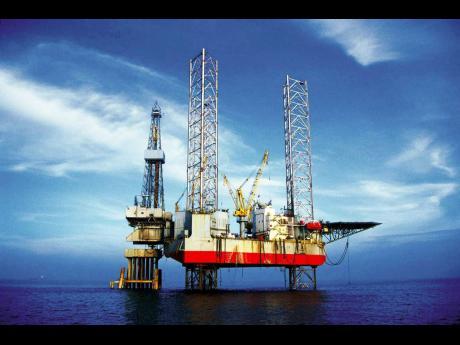
According to specialists, the recent approval of ExxonMobil’s $10 billion Yellowtail offshore oil project by Guyana’s government marks a significant development in the country’s emerging oil industry. From a technical standpoint, the project’s aim to produce up to 250,000 barrels per day is expected to further establish Guyana as a major oil producer. The Yellowtail Project, which is slated to come onstream by 2025, will be the company’s fourth offshore oil and gas field in the country, adding to its existing Liza One, Two, and Payara fields.
The company has stated that the Yellowtail Project’s development demonstrates the successful partnership between ExxonMobil and Guyana, providing the world with another reliable source of energy to meet future demands and ensure a secure energy transition. With nearly two dozen successful oil wells since the first in 2015, ExxonMobil has access to more than 10 billion barrels of oil in the Guyana Basin. The first barrel of oil was pumped offshore in December 2019, making Guyana one of the world’s newest oil producers, with a population of about 800,000 people.
Environmental Concerns and Insurance Coverage
The approval of the Yellowtail Project comes amidst a debate between ExxonMobil and several rights and environmental groups regarding adequate insurance coverage in the event of an oil spill. Former Guyanese environmental chief Vincent Adams has emphasized the need for the company to have adequate insurance, citing the potential devastating effects of an oil spill on neighboring continental and tourism-dependent Caribbean countries, as well as marine life. Adams noted that during his time as the country’s environmental administrator, the environmental agency had agreed with Exxon to ensure at least $2.5 billion in oil spill insurance coverage.
ExxonMobil has stated that it has at least $2 billion on standby, in addition to the “financial capacity to meet our… obligations.” The company, which controls the high-yielding Stabroek Block along with American-owned Hess Oil and the China National Offshore Oil Corp., has pushed most of the world’s leading oil firms to buy into neighboring blocks or apply for concessions near Exxon’s. The Guyanese government has announced plans to auction off several remaining blocks by the end of this year, including portions of unexplored areas or those that have been given back to the state due to lack of commercial quantities of oil and gas.
Implications and Future Developments
The development of the Yellowtail Project is expected to have significant implications for Guyana’s economy and energy sector. As the country continues to emerge as a major oil producer, it will be important to monitor the progress of the project and its potential impact on the environment and local communities. Some scientists argue that the extraction and use of fossil fuels contribute to environmental concerns, while others highlight the importance of reliable energy sources for economic development. The causation debate remains open, with various stakeholders weighing the benefits and drawbacks of oil production.
In the context of conservation and environmental protection, it is essential to ensure that adequate measures are in place to prevent oil spills and mitigate their effects. The importance of clean air, clean water, and conservation cannot be overstated, and efforts to promote sustainable practices and recycling are crucial for maintaining a healthy environment. As the energy sector continues to evolve, it will be essential to balance economic development with environmental stewardship and social responsibility.
Looking Ahead
As the Yellowtail Project moves forward, it will be important to watch for updates on the project’s progress, including the implementation of safety measures and environmental protections. The auction of remaining blocks by the end of this year is also expected to be a significant development, with potential implications for the country’s energy sector and economy. Additionally, the ongoing debate regarding insurance coverage and environmental concerns is likely to continue, with stakeholders pushing for adequate protections and safeguards. As the situation unfolds, it will be essential to monitor developments and assess the potential impact on Guyana’s emerging oil industry and the environment.