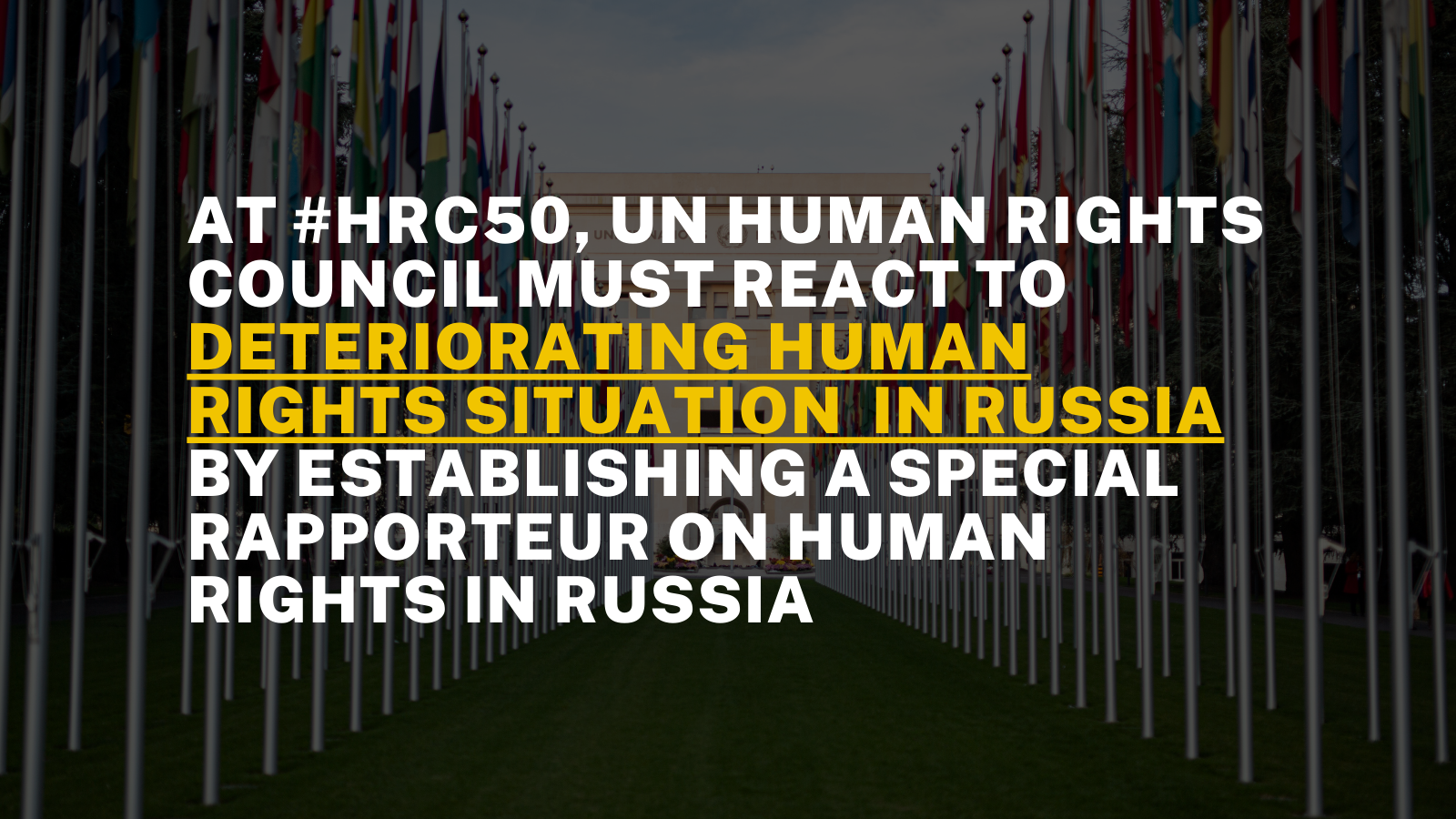
The United States announced on April 4, 2022, that it will seek Russia’s suspension from the United Nations Human Rights Council, citing mounting evidence of war crimes by Russian forces in Ukraine. U.S. Ambassador to the United Nations Linda Thomas-Greenfield made the call in Bucharest, Romania, following reports of mass civilian killings in the town of Bucha, near Kyiv, after Russian troops withdrew. The move requires approval from two-thirds of the 193-member U.N. General Assembly.
The push for suspension
Thomas-Greenfield described Russia’s continued membership on the Human Rights Council as a “farce” that “hurts the credibility of the council and the U.N. writ large.” She argued that Russia’s participation is “simply wrong” given the atrocities uncovered in Bucha.
“We believe that the members of the Russian forces committed war crimes in Ukraine. We believe that Russia needs to be held accountable,” Thomas-Greenfield said at a press conference in Bucharest.
The ambassador urged the 140 U.N. member states that voted in March to condemn Russia’s invasion to now back the suspension effort. “The images out of Bucha and devastation across Ukraine require us now to match our words with action,” she said.
Russia currently holds one of the 47 seats on the Human Rights Council. All five permanent members of the U.N. Security Council , Britain, China, France, Russia, and the United States , have seats on the body. The U.S. rejoined the council earlier this year.
Evidence of war crimes
Ukrainian officials reported that the bodies of 410 civilians were found in Bucha and other towns around Kyiv after Russian forces retreated. Many showed signs of summary execution, torture, and other abuses. The discoveries sparked international outrage and demands for accountability.
The only country ever stripped of its Human Rights Council membership was Libya in 2011, during the uprising that ousted leader Moammar Gadhafi. No permanent Security Council member has ever been suspended from any U.N. body.
Thomas-Greenfield said she would go to the Security Council on April 5 to “address Russia’s actions firmly and directly.”
Russia’s response
Russia’s ambassador to the U.N. in Geneva, Gennady Gatilov, dismissed the U.S. effort as “baseless, unfounded and purely emotional bravado that looks good on camera just how the US likes it.”
“Washington exploits the Ukrainian crisis for its own benefit in an attempt either to exclude or suspend Russia from international organizations, including the HRC here in Geneva,” Gatilov said in comments relayed by a Russian diplomatic mission spokesman.
Gatilov predicted the suspension bid “is unlikely to be supported by the majority of its member states.” The General Assembly has not yet received a formal request for a meeting on the issue, according to spokeswoman Paulina Kubiak.
U.S. support for allies
Thomas-Greenfield announced the suspension plan during a bilateral meeting with Romanian Prime Minister Nicolae Ciuca. She praised Romania for its “extraordinary effort” in hosting over 600,000 refugees from Ukraine since the Russian invasion began.
The ambassador also visited Bucharest’s main train station, where she met humanitarian workers assisting refugees.
Her trip to Romania followed a visit to Chisinau, Moldova, where she announced $50 million in additional U.S. aid. “To help the Government of Moldova and its people cope with the impacts of Russia’s brutal and unprovoked war,” she said. Moldova, a former Soviet republic of about 2.6 million people, has received roughly 400,000 Ukrainian refugees. The new assistance brings total U.S. humanitarian support for Moldova to over $80 million.
The suspension effort now depends on whether the General Assembly can muster the two-thirds majority needed to remove Russia from the council. The vote will test global resolve to hold Moscow accountable for its actions in Ukraine, even as Russia retains its veto power on the Security Council.