The ground beneath Sicily did not simply tremble on July 5, 2024. It ruptured. Two of Europe’s most restless volcanoes, Mount Etna and Mount Stromboli, erupted in near-unison, forcing the immediate closure of Catania–Fontanarossa Airport. The event was sudden. It was powerful. And it was entirely predictable.
This is not a story of surprise. It is a story of geography and inevitability. Mount Etna, standing at 3,403 meters (11,165 feet), sits directly above the convergent plate margin where the African Plate grinds beneath the Eurasian Plate. That collision is ceaseless. It builds pressure. It releases it. The July 5 eruption is merely the latest release in a long, violent history.
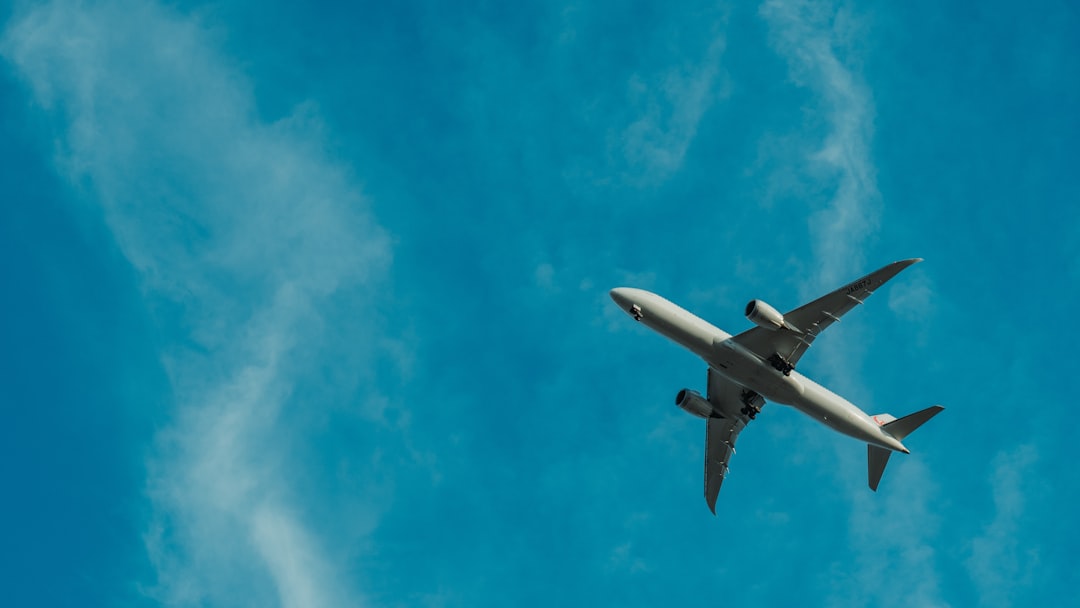
The airport closure was a precaution, not a panic. Ash ingestion into aircraft engines is a known and severe hazard. The fine, abrasive particles can melt inside a jet engine’s combustion chamber, fusing into glassy deposits that disrupt airflow and cause flameout. No airline takes that risk. The airport shut down to keep travelers and staff safe. It was the only rational move.
But the eruption’s impact extends beyond grounded flights. The release of ash, gas, and rock into the atmosphere threatens local ecosystems. Ash fall can smother crops, contaminate water supplies, and damage livestock. Pyroclastic flows — fast-moving currents of hot gas and volcanic matter — remain a danger to the surrounding landscape. The Sicilian countryside, beautiful as it is, lives under a constant geologic sword.
Etna’s height is not fixed. It grows. It shrinks. It changes with every summit eruption. In 2021, the southeastern crater reached 3,357 meters (11,014 feet). That record did not last. The summer 2024 eruptions have pushed the Voragine crater higher, surpassing its neighbor. This constant reshaping is not a curiosity. It is a fact of life on an active volcano. The mountain is alive. It builds itself up and tears itself down in cycles that span years, decades, centuries.
Mount Stromboli, meanwhile, operates on a different rhythm. Its eruptions are typically smaller but more frequent. The simultaneous activity of both volcanoes on July 5 suggests a broader tectonic trigger — a shift or a pulse deep in the Earth’s crust that set both systems off at once. That is rare. It is also dangerous.
What comes next is not a question of if, but when. Etna and Stromboli will erupt again. The plate margin beneath Sicily is not going anywhere. The African Plate continues its slow, relentless push northward. The magma chambers below the island remain pressurized. The landscape will continue to be reshaped — sometimes slowly, sometimes in a single violent afternoon.
For now, the airport remains closed. The ash settles. The local communities assess the damage. The scientists watch the seismographs. The travelers wait. This is Sicily’s normal. A beautiful, treacherous normal that has built the island’s mountains, shaped its soil, and defined its history. The July 5 eruption is just the latest chapter in a story that began millions of years ago and will continue long after this news cycle ends.