A 14-Year Wait Ends: Labour’s Scottish Revival and What It Means
The last time the Labour Party topped the polls in Scotland, David Cameron was a year from entering Downing Street, the iPhone had just been released, and the Scottish National Party was still a fringe Westminster force. That was 2010. Fourteen years later, on July 4, 2024, voters in Scotland delivered a verdict that rewrites that old script. Labour won 37 of the 57 Scottish seats — a gain of 36 seats from the previous election. The political ground has shifted.
For a decade, the SNP seemed untouchable in Scottish general elections. They dominated the narrative, the conversation, and the ballot box. That dominance has now shattered. The SNP lost 39 seats, dropping to just nine. It is their worst Westminster result since 2010 — the very year Labour last held the lead. The symmetry is stark.
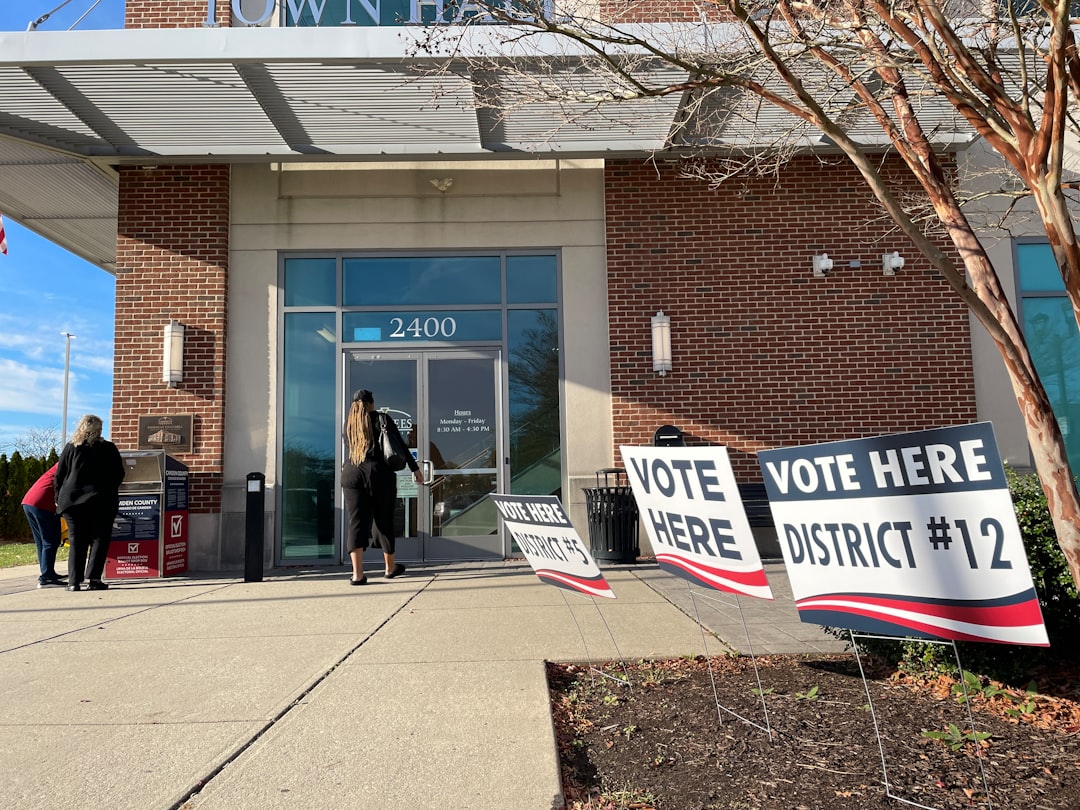
How did this happen? The report offers no single cause, but the numbers tell part of the story. Turnout fell sharply. Across Scotland, only 59% of registered voters cast a ballot — down 8.4% from 2019. In some constituencies, the drop hit 10%. That is a big number. For the first time, turnout in the Scottish Parliament election (63.5%) exceeded turnout for a UK general election. That inversion matters. It suggests a disconnection between voters and the Westminster contest, even as the result itself reshapes the UK parliament.
The Liberal Democrats also had a good night. They increased their Scottish representation from four seats to six. Not a landslide, but a steady gain. The Conservatives lost one seat, leaving them with five. Their decline is less dramatic than the SNP’s collapse, but it is still a loss.
The implications for the UK government are significant. Labour’s resurgence in Scotland hands the party a powerful bloc of MPs. With 37 Scottish Labour voices in the Commons, the new government’s policies and priorities will carry a distinctly Scottish weight. The SNP’s reduced presence means the case for independence will be argued from a much weaker parliamentary platform. That changes the dynamic in Westminster and in Edinburgh.
But the low turnout casts a long shadow. A 59% turnout is not a ringing endorsement of anything. It is a warning. Voters stayed home. In a system where every seat counts, the people who did not vote helped shape the outcome as much as those who did. The reasons are complex, and the report notes they will be scrutinized heavily. That scrutiny is needed. A democracy where fewer than six in ten people bother to vote has a problem, no matter who wins.
The SNP’s collapse did not happen in a vacuum. Years of internal divisions, leadership changes, and a focus on independence over day-to-day governance took a toll. Labour, meanwhile, rebuilt its ground operation in Scotland. The result is a reversal of fortunes that few predicted would be this complete. Labour went from one seat to 37. The SNP went from 48 to nine. Those are not normal election swings. They are a political earthquake.
What comes next is uncertain. The new MPs will take their seats. The government will have its majority. But the voters who stayed home will still be there, waiting to be convinced. That is the real task ahead.