The Gotthard Massif forms the northern border of the canton of Ticino. That mountain range, a major spine of the Alps, did what it has always done when torrential rain arrives. It channeled water. It shed debris. The result, over the past days, has been deadly.
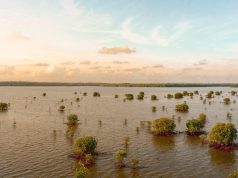
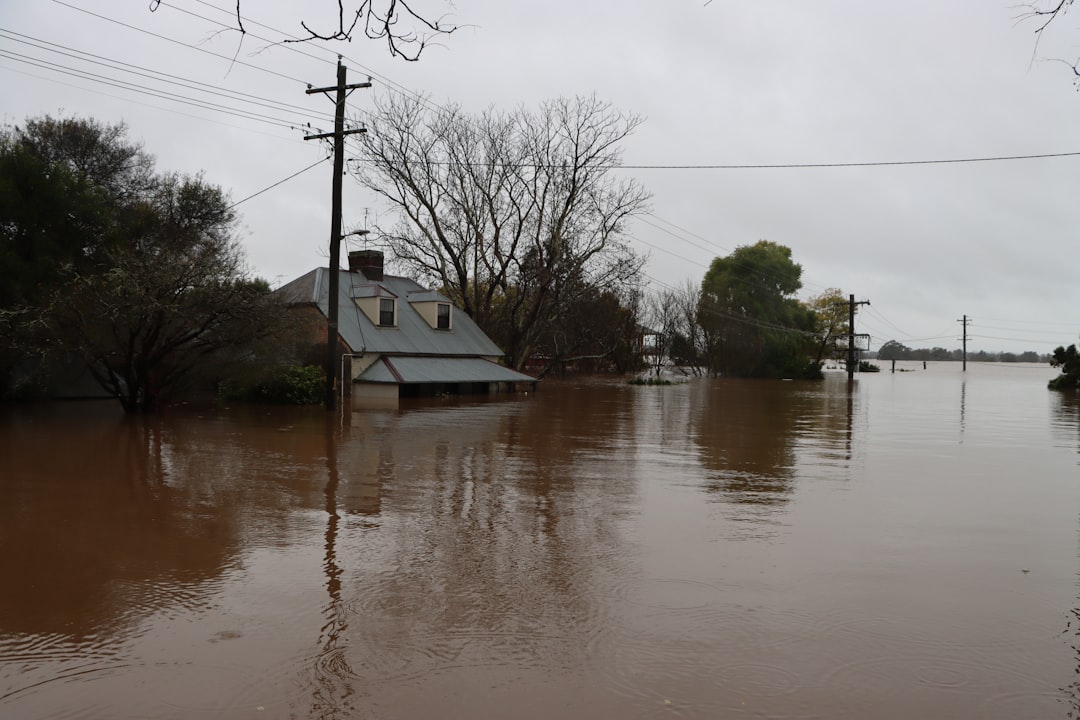
At least four people are dead. Two more are missing. The numbers come from the cantons of Ticino and Valais, the two southern Alpine regions that absorbed the worst of the storms. Ticino, the southernmost canton, took the hardest hit. Its districts of Sopraceneri and Sottoceneri — the upper and lower reaches of the canton — reported significant damage. Bellinzona, the capital city sitting at the heart of Ticino, saw roads and buildings flooded.
Valais, the other affected canton, shares the same basic geographic vulnerability. It is one of the three large southern Alpine cantons, alongside Ticino and the Grisons. Rugged terrain. Mountainous landscape. When the rain comes hard and fast, the ground gives way. Landslides and floods are not anomalies here. They are recurring hazards built into the topography.
The geography of Ticino makes it especially prone. The canton lies south of the Alps. The mountains that separate it from the rest of Switzerland also trap weather systems. Heavy rainfall concentrates. The steep slopes cannot absorb it. Water runs fast, carries soil, carries rock. The Sopraceneri and Sottoceneri districts sit right in that funnel.
Emergency services are now working to locate the missing. Rescue teams are on the ground. The Swiss government responded quickly, according to reports from the scene. But quick response does not undo what the water has already done. Infrastructure took a beating. Roads and bridges in both cantons have been damaged or destroyed. Daily life for many residents has been disrupted. Some have lost homes. Some have lost livelihoods.
The cleanup is just beginning. The immediate focus is on restoring access to the affected areas. That means clearing roads. That means assessing bridges for structural integrity. That means getting supplies to places that may be cut off. The work is physical, slow, and dangerous. More rain could complicate it.
Four dead. Two missing. Those are the confirmed figures as of now. They may change. The search for the missing continues. Rescue crews are moving through damaged terrain, looking for signs of life. The cantons of Ticino and Valais are both mountainous, both remote in places. That makes the search harder. It also makes the flooding worse — steep valleys concentrate runoff in ways flat land does not.
The Gotthard Massif is not new to this. Neither are the people who live in its shadow. But knowing the risk and living through the event are two different things. The dead are dead. The missing may or may not be found. The damage to roads and buildings is measurable. The disruption to lives is harder to count.
Bellinzona, the capital, took damage. So did the districts around it. So did Valais. The storms did not discriminate between cantons. The geography did. Ticino, south of the Alps, caught the worst of it. That is the simple, hard fact of the matter. The mountains made it worse. The rain made it happen. Four people are dead because of it.