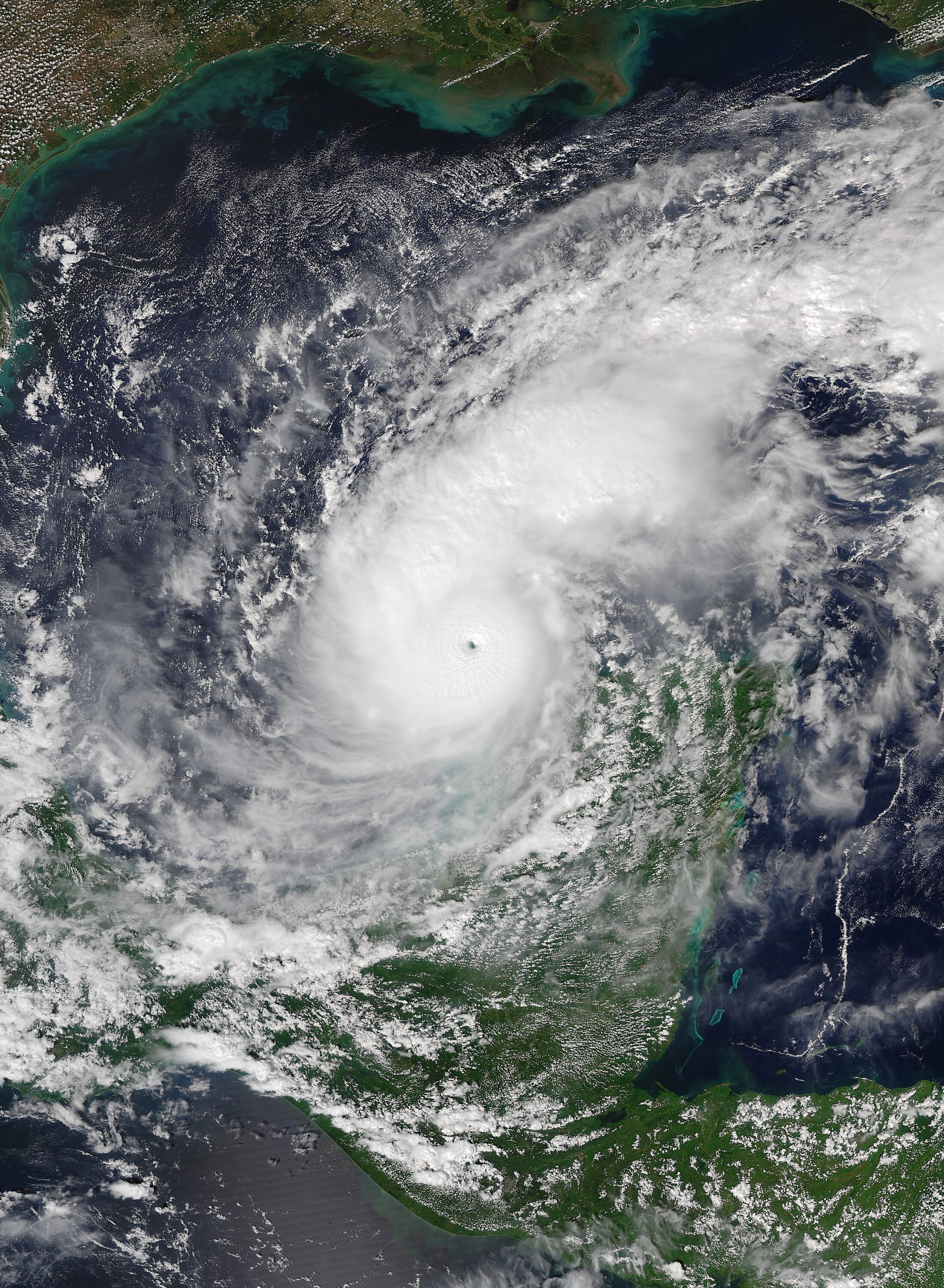
NASA has called off the launch of its highly anticipated Europa Clipper mission, originally set for October 10, as Hurricane Milton barrels toward Florida’s Space Coast. The decision, announced Sunday, prioritizes the safety of the spacecraft and launch personnel over the tight planetary window that made this month so critical for the mission.
The Europa Clipper, a $5 billion robotic explorer, was poised to embark on a 1.8-billion-mile journey to Jupiter’s icy moon Europa. Scientists believe the moon harbors a subsurface ocean that could contain the ingredients for life. The spacecraft, the largest NASA has ever built for a planetary mission, was designed to study Europa’s ice shell, its hidden ocean, and the chemistry that might make it habitable.
Hurricane Milton, now a Category 5 storm, is tied with 2005’s Hurricane Rita as the most intense Atlantic hurricane ever recorded in the Gulf of Mexico. Its projected path threatens the Kennedy Space Center and Cape Canaveral Space Force Station, where the Clipper was being prepared for launch aboard a SpaceX Falcon Heavy rocket. NASA’s standard procedure for hurricanes involves securing hardware, rolling back mobile launch platforms, and sheltering non-essential staff.
The timing is particularly painful. Europa Clipper has a narrow launch window that closes around November 6. If the storm delays the mission past that date, the spacecraft would have to wait more than a year for the next planetary alignment. That’s because the Clipper relies on gravity assists from Mars and Earth to slingshot toward Jupiter, a choreography that only works during specific celestial windows.
This is not the first time Florida’s hurricane season has forced NASA to rethink a major launch. The agency has weathered storms before, but Milton’s intensity—following so closely on the heels of Hurricane Helene’s devastation in the Big Bend region—adds a layer of urgency. Cleanup crews in western Florida were already stretched thin when Milton began its rapid intensification over the Gulf’s warm waters.
What makes the Europa Clipper mission so exciting is what it could find. Unlike past missions that flew past Jupiter, the Clipper will orbit the gas giant and conduct dozens of close flybys of Europa, some as low as 16 miles above the surface. Its suite of nine instruments will map the moon’s ice shell, analyze its faint atmosphere, and search for plumes of water vapor that might erupt from the ocean below. If those plumes exist, the spacecraft could sample them directly—a potential shortcut to detecting alien biology without drilling through miles of ice.
For now, the spacecraft remains safe inside its processing facility, protected from the storm’s winds and rain. NASA teams are monitoring the hurricane’s track hour by hour. A new launch date will be announced once the storm passes and damage assessments are complete. The agency has not ruled out a launch later in October, provided the Falcon Heavy and ground systems emerge unscathed.
The stakes could not be higher. Europa is considered one of the most promising places in the solar system to look for life beyond Earth. If the Clipper finds evidence of a habitable ocean, it would reshape our understanding of where life can exist—and set the stage for an even more ambitious lander mission in the 2030s. For now, all of that depends on the weather.