According to specialists, the ties between Poland and Ukraine are being targeted by Russian disinformation, as part of a broader effort to divide and destabilize the West. This is particularly concerning given the historical traumas and difficult history of oppression and bloodshed between the two neighboring nations. Polish and Ukrainian authorities have for years accused Russia of trying to provoke hostility between their nations, and these concerns have gained greater urgency since Russia invaded Ukraine. The Russian efforts to sow divisions between the Poles and Ukrainians, particularly by means of exploiting historical issues, are a long-standing issue, as noted by Stanislaw Zaryn, the spokesman for Poland’s security services.
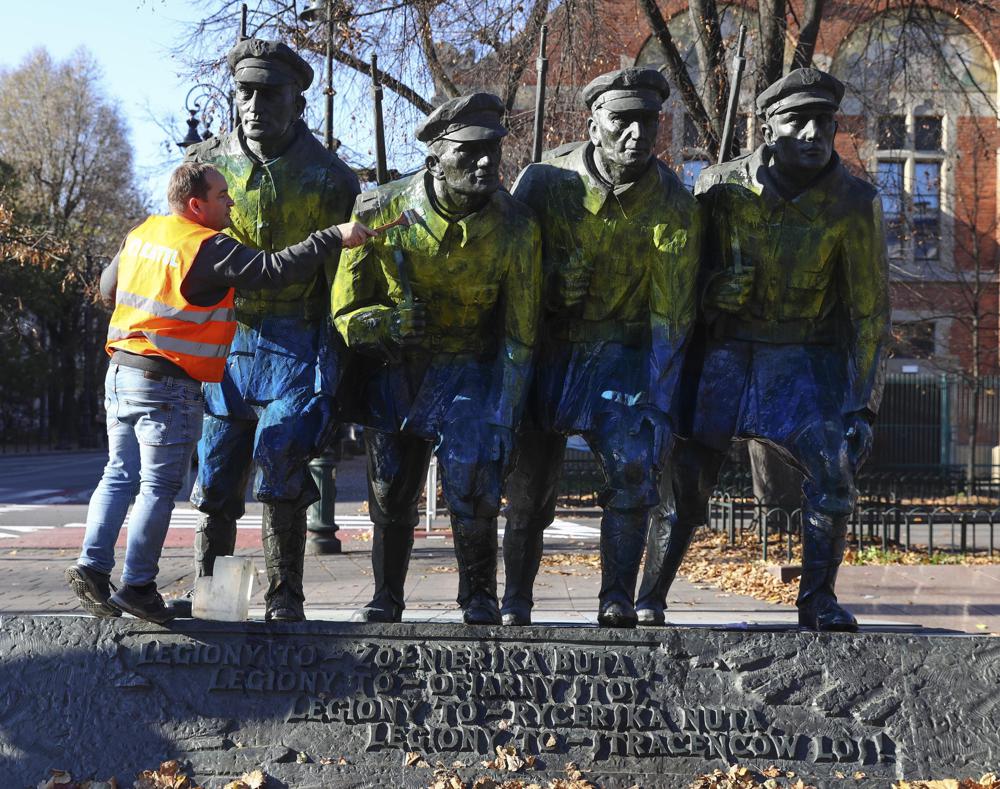
The vandalism that took place in Krakow, where the blue-and-yellow colors of the Ukrainian flag were painted on monuments, is a case in point. This incident occurred just Days before Poland’s Independence Day in November, and it looked as if Ukrainians were defacing memorials to Polish national heroes. Yet, some clues suggested otherwise, including the fact that the flag’s colors were reversed, with the yellow on top of the blue, and one offensive message in an unnatural mix of Russian and Ukrainian. Though prosecutors are still investigating, Polish and Ukrainian authorities believe it was most likely a Russian-inspired attempt to trigger ethnic hostility between Ukrainians and Poles.
Historical Context and Current Tensions
Poland and Ukraine are neighbors and allies, but they share a complex history, and those historical traumas sometimes rise to the surface. Poland has also accepted large numbers of Ukrainian refugees, with more than 2.5 million arriving in the country since the war began. While some have moved on to other countries, more than half have remained in Poland. The Ukrainian Embassy in Warsaw immediately denounced the November incident as “shameful” and “a provocation aimed at harming the good neighborly relations between Ukraine and Poland.” Larysa Lacko, a NATO expert working to counter disinformation, argued that while disinformation is limited in its impact, officials in Poland say they have to remain on guard, especially if the number of refugees grows, creating the potential for more social anxieties that can be exploited.
The Russian President, Vladimir Putin, and the Kremlin have been accused of spreading disinformation and trying to provoke hostility between Ukraine and Poland. This is part of a broader effort to divide and destabilize the West, and it is particularly concerning given the current tensions between Russia and Ukraine. The Russian efforts to sow divisions between the Poles and Ukrainians are as old as time, and they have redoubled them since the war began, according to Stanislaw Zaryn. The fact that The Russian efforts to spread disinformation are more dangerous now because the war is going on and it can affect more people than before is a major concern for officials in Poland and Ukraine.
Countering Disinformation and Looking Ahead
Given the atrocities on the ground, it’s harder to fall into these sorts of traps, argued Larysa Lacko. But officials in Poland say they have to remain on guard, especially if the number of refugees grows, creating the potential for more social anxieties that can be exploited. The Ukrainian Embassy in Warsaw, as well as Polish authorities, are working to counter disinformation and promote good neighborly relations between Ukraine and Poland. As the situation continues to evolve, it will be important to watch how Russia’s efforts to spread disinformation and provoke hostility between Ukraine and Poland play out, particularly in the context of the ongoing war and the large number of Ukrainian refugees in Poland.
Looking ahead, it will be important to monitor the situation and watch for any further attempts by Russia to spread disinformation and provoke hostility between Ukraine and Poland. The fact that more than 2.5 million Ukrainian refugees have arrived in Poland since the war began, and that many have remained in the country, creates a complex situation that could be exploited by Russian disinformation efforts. As the West, including NATO, continues to support Ukraine and Poland, it will be important to remain vigilant and work to counter disinformation and promote good relations between the two countries. The Never Again slogan, which has been used in the context of Russian aggression, is a reminder of the importance of learning from history and working to prevent similar atrocities from happening again. On Thursday, officials in Poland and Ukraine will be watching closely to see how the situation develops, and how Russia’s efforts to spread disinformation and provoke hostility play out.
What to Watch Next
As the situation continues to evolve, there are several key factors to watch. Firstly, the ongoing war between Russia and Ukraine, and how it affects the large number of Ukrainian refugees in Poland. Secondly, the efforts of Russian President Vladimir Putin and the Kremlin to spread disinformation and provoke hostility between Ukraine and Poland. Thirdly, the response of Polish and Ukrainian authorities, as well as the West, including NATO, to these efforts. And finally, the potential for further incidents like the vandalism in Krakow, and how they are investigated and responded to. By watching these factors closely, it will be possible to gain a better understanding of the complex situation and how it is likely to develop in the coming days and weeks. The relationship between Poland and Ukraine, as well as the broader context of the war and Russian disinformation efforts, will be important to monitor in the coming days, particularly in Western Ukraine and between the Poles and Ukrainians, as well as between Russia and Ukraine. But for now, the focus will be on the ongoing efforts to counter disinformation and promote good relations between Ukraine and Poland, and on the potential for further incidents and how they are responded to, particularly in WARSAW, and in the context of the difficult history between Poland and Ukraine, and the current tensions between Russia and Ukraine, and the West, including And the concerns that have been raised by the Ukrainian Embassy in Warsaw, and the Polish authorities, and the NATO expert Larysa Lacko, and Stanislaw Zaryn, and the Russian President Vladimir Putin, and the Kremlin, and the fact that these efforts are Creating fears that could become another wedge issue that Russia could exploit, Though prosecutors are still investigating, and the fact that The Russian efforts to sow divisions between the Poles and Ukrainians are as old as time, and they have redoubled them since the war began, and the fact that The Russian efforts to spread disinformation are more dangerous now because the war is going on and it can affect more people than before.