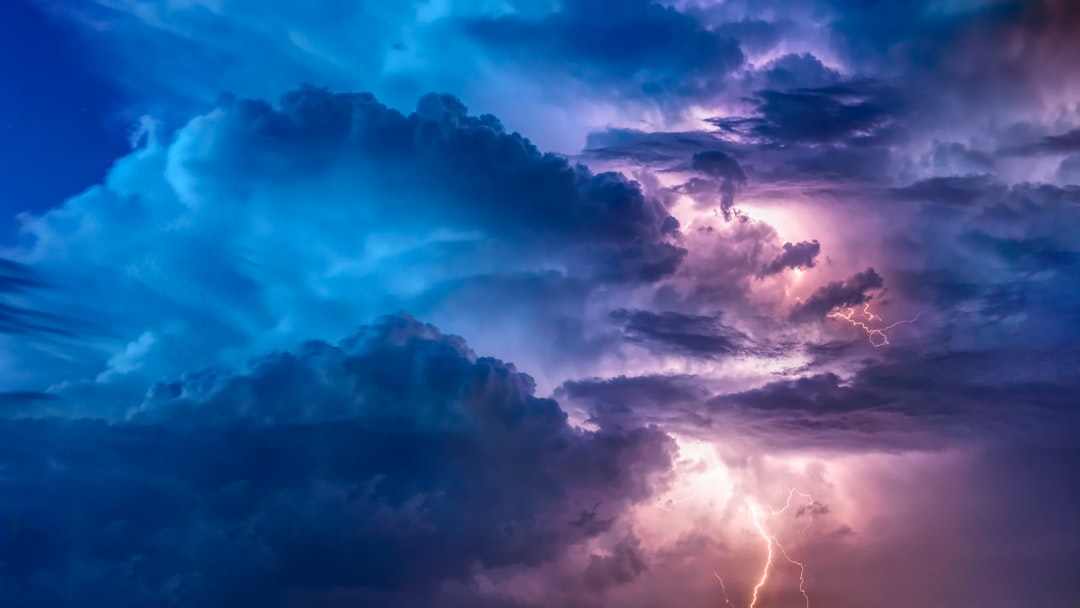
The clock is ticking across the Deep South. Tomorrow, the Storm Prediction Center has raised its highest alarm — a rare high risk convective outlook. That forecast, issued today from Norman, Oklahoma, warns of an outbreak of severe thunderstorms and tornadoes. It is a blunt, urgent message from the government agency tasked with reading the atmosphere and telling Americans when to brace.
But today, three people are already dead. The storms did not kill them directly. The report says they were indirectly killed. That distinction matters, because it points to a wider truth about severe weather: the danger is rarely just the wind or the rain. It is the chain of failures, bad decisions, and hidden hazards that follow.
Think about what “indirectly killed” means. A heart attack while shoveling debris. A car hydroplaning on a flooded road. A generator running in a closed garage. A tree limb falling on a power line, then a fire. The Storm Prediction Center does not count those as direct storm deaths, but the families burying their dead do not care about the bureaucratic distinction. The storms set the stage. The storms created the conditions. The storms are the root cause.
This is the reality of living in a country where the atmosphere can turn violent with little notice. The Storm Prediction Center issues convective outlooks for the next eight days. Those outlooks are not just maps and colors — they are life-saving tools. They tell emergency managers where to stage rescue crews. They tell school districts whether to cancel classes. They tell families whether to charge their phones, fill their gas tanks, and locate their nearest shelter.
Tomorrow’s high risk outlook is the most severe category the center uses. It means widespread, intense thunderstorms are expected. It means tornadoes are likely — some of them strong, long-track, and dangerous. It means the kind of day that meteorologists lose sleep over.
The National Weather Service, which oversees the Storm Prediction Center, is part of the National Oceanic and Atmospheric Administration. That is a United States government agency. Its mission is to understand and predict changes in the environment. Its work is not abstract. It is the difference between a family in a mobile home hearing a warning at 2 a.m. and that family not hearing anything at all.
Three deaths before the main event. That is the headline no one wants to read. It suggests a pattern. When severe weather threatens, people take risks. They drive through standing water. They try to outrun a storm. They ignore the warnings because the sun is still shining in their backyard. The indirect deaths are the price of that miscalculation.
What comes next is not a mystery. The forecast is set. The high risk area is defined. The residents of the Deep South have a narrow window to prepare. They can secure loose objects, stock supplies, and make a plan. Or they can wait and see. The three indirect deaths prove that waiting is a gamble with poor odds.
The Storm Prediction Center does not issue high risk outlooks often. When it does, the nation pays attention. Tomorrow, the attention will be focused on the Deep South. The storms are coming. The question is how many more lives will be caught in their wake — directly or indirectly.