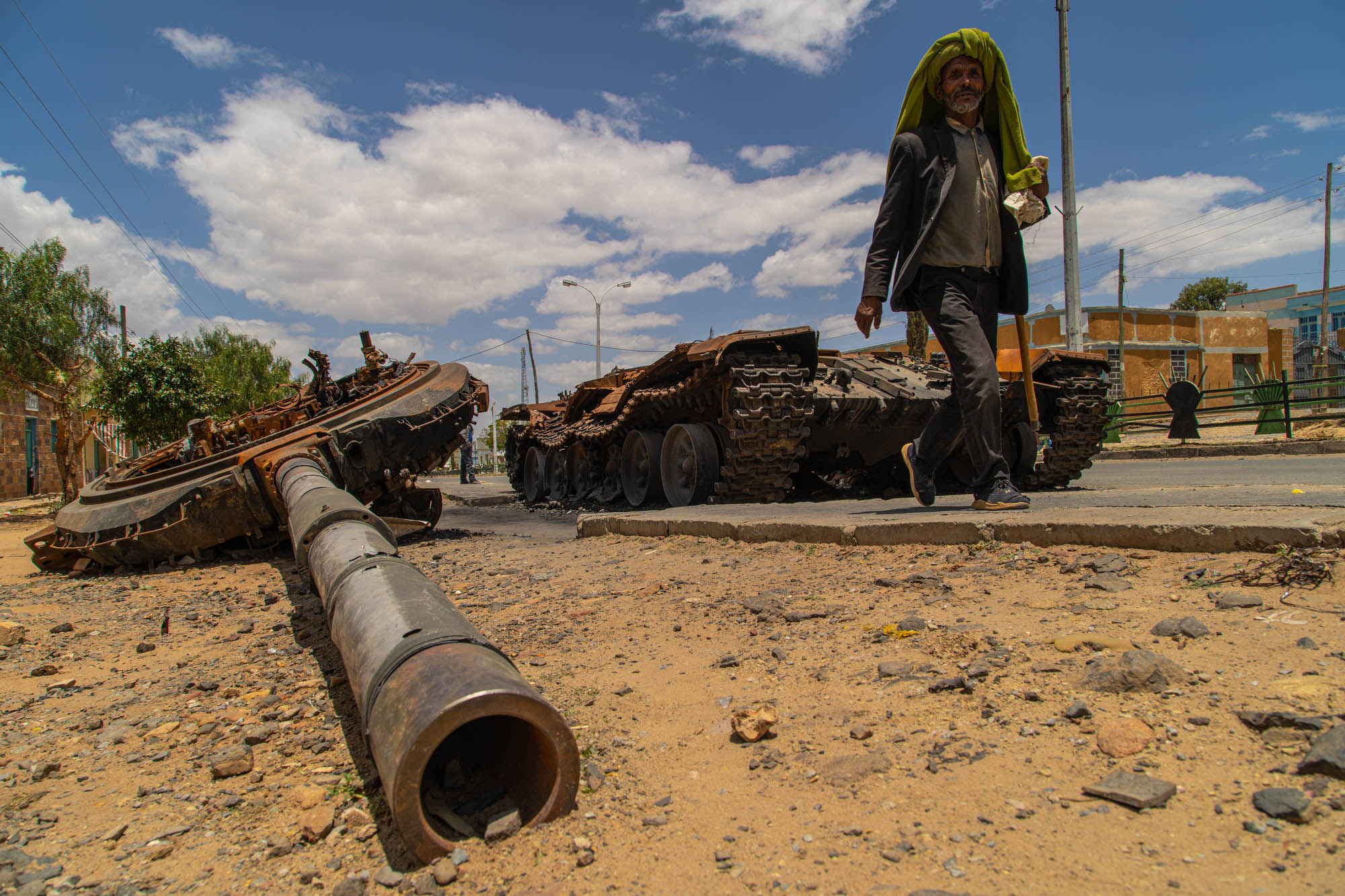
The Tigray war, an ongoing conflict in Ethiopia, has resulted in a significant number of casualties, with precise figures remaining uncertain. As of November 15, 2022, various studies and estimates have attempted to quantify the human cost of the war, with the Uppsala Conflict Data Program recording over 100,000 battle-related fatalities in 2022 alone, primarily comprising military personnel but also including some civilians.
A peer-reviewed study conducted by researchers from the University of London calculated that there were over 102,000 excess deaths in Tigray from November 2020 to mid-2022. The study further broke down the causes of these excess deaths, attributing 72% to violence and the remaining 28% to a lack of healthcare and famine. This distinction highlights the multifaceted nature of the humanitarian crisis unfolding in the region, where the direct consequences of violence are exacerbated by the indirect effects of disrupted healthcare and food systems.
Researchers at Ghent University in Belgium have also investigated the combined impact of wartime violence, famine, and limited medical access on the population. Their estimates suggest that between 162,000 and 378,000 people may have lost their lives due to these factors. These numbers underscore the devastating scale of the conflict and its far-reaching consequences for the civilian population, who are often the most vulnerable in such situations.
The scale of death and destruction in the Tigray war has been described by the African Union mediator, Olusegun Obasanjo, as likely resulting in around 600,000 fatalities. This figure, while subject to the uncertainties inherent in estimating casualties in conflict zones, underscores the gravity of the situation. The New York Times has characterized the conflict as “one of the world’s bloodiest contemporary conflicts” as of November 2022, a testament to the profound humanitarian and geopolitical implications of the war.
The variability in casualty estimates, ranging from over 100,000 to as high as 600,000, reflects the challenges in data collection and verification within active conflict zones. Despite these uncertainties, all estimates point to a catastrophic humanitarian situation, with the conflict impacting not only those directly involved in hostilities but also, and perhaps more significantly, the civilian population. The disruption of essential services, including healthcare and food distribution, has created a crisis that extends beyond the immediate consequences of violence.
As the situation in Tigray continues to evolve, it is crucial to monitor developments closely. The international community’s response, including diplomatic efforts by bodies like the African Union, will be significant in shaping the future of the region. Additionally, the provision of humanitarian aid to affected populations will be essential in mitigating the ongoing effects of the conflict. Moving forward, it will be important to watch for any shifts in the conflict’s dynamics, the effectiveness of international mediation efforts, and the progress made in addressing the humanitarian needs of those affected by the war.