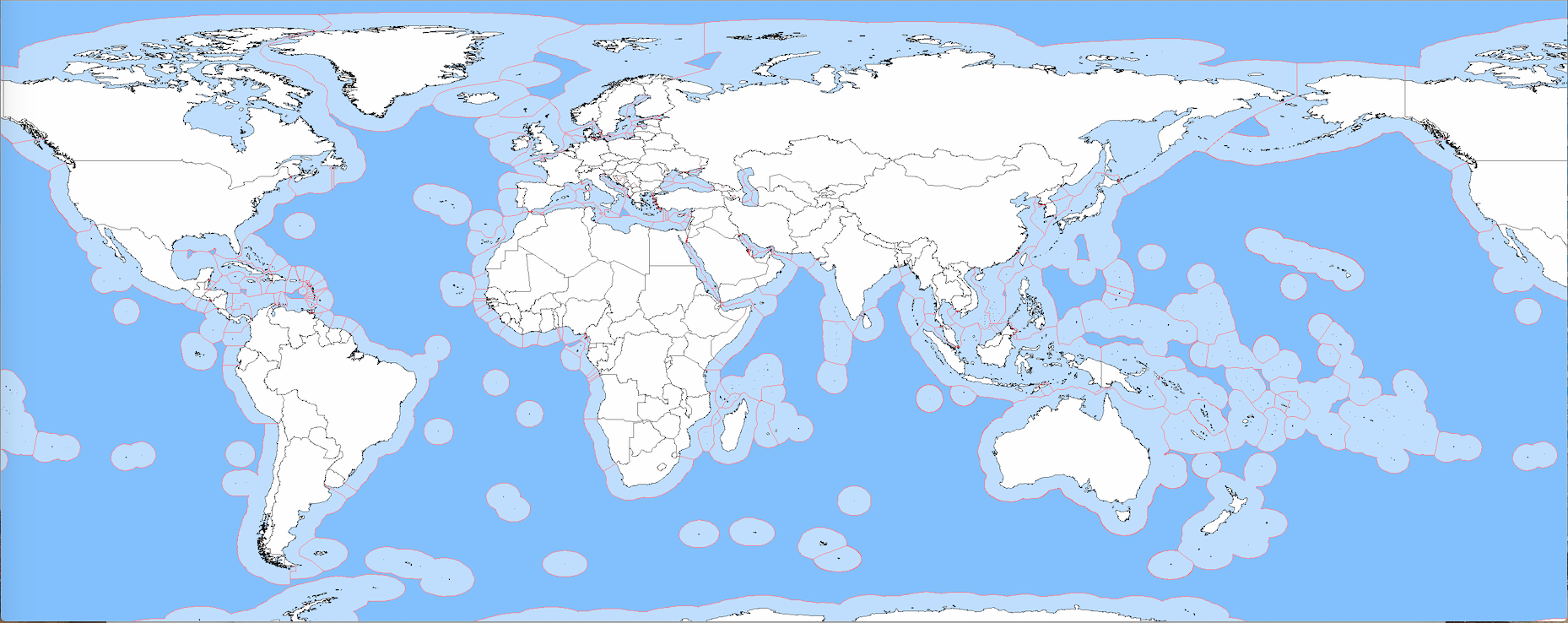
A major breakthrough in the conservation of marine biological diversity was achieved on March 4, 2023, as the text of the High Seas Treaty was finalized during an intergovernmental conference at the United Nations. This legally binding instrument, also known as the BBNJ Agreement, aims to promote the conservation and sustainable use of marine biological diversity in areas beyond national jurisdiction. The agreement is a significant step forward, as it addresses a critical gap in the United Nations Convention on the Law of the Sea (UNCLOS), which did not provide a framework for areas beyond national jurisdiction.
The journey to this milestone began in 2017, when the United Nations General Assembly (UNGA) voted to convene an intergovernmental conference to consider establishing an international legally binding instrument on the conservation and sustainable use of marine biodiversity beyond national jurisdiction. This decision was driven by the recognition that the current framework was inadequate to address the complex challenges facing marine ecosystems. The High Seas Treaty is the result of years of negotiations and consultations among UN member states, and its finalization marks a significant achievement in the pursuit of a cleaner and healthier planet.
The High Seas Treaty is expected to have far-reaching implications for the conservation of marine ecosystems. By establishing a framework for the sustainable use of marine biological diversity, the treaty aims to prevent the overexploitation of marine resources and promote the protection of vulnerable ecosystems. This is a critical step forward, as the health of our oceans is essential for the well-being of our planet. The treaty’s provisions will help to ensure that marine resources are used responsibly and that the delicate balance of marine ecosystems is maintained.
The finalization of the High Seas Treaty text is a testament to the power of international cooperation and diplomacy. The negotiations were complex and involved the participation of numerous stakeholders, including governments, civil society organizations, and industry representatives. The fact that UN member states were able to come together and agree on a legally binding instrument is a significant achievement, and it demonstrates the commitment of the international community to addressing the challenges facing our oceans.
As the High Seas Treaty moves forward, it will be important to watch how it is implemented and enforced. The treaty will require the cooperation and commitment of UN member states to be effective, and it will be crucial to ensure that its provisions are respected and enforced. The international community will be looking to the UN to provide leadership and guidance on the implementation of the treaty, and it will be important to monitor progress and address any challenges that arise. With the finalization of the High Seas Treaty text, the world has taken a significant step forward in the pursuit of a cleaner and healthier planet, and it will be exciting to see how this agreement shapes the future of marine conservation.
Looking ahead, the next steps in the process will be critical. The High Seas Treaty will need to be adopted and ratified by UN member states before it can enter into force. This will require the continued cooperation and commitment of governments around the world, and it will be important to ensure that the treaty’s provisions are implemented effectively. As the international community moves forward with the implementation of the High Seas Treaty, it will be important to remain vigilant and ensure that the agreement is used as a tool to promote the conservation of marine biological diversity and the sustainable use of marine resources. With the High Seas Treaty, the world has a unique opportunity to make a positive impact on the health of our oceans, and it will be exciting to see how this agreement shapes the future of marine conservation.
As the world looks to the future of marine conservation, the High Seas Treaty provides a sense of hope and optimism. The agreement has the potential to make a significant positive impact on the health of our oceans, and it demonstrates the commitment of the international community to addressing the challenges facing marine ecosystems. As we move forward, it will be important to continue to prioritize the conservation of marine biological diversity and the sustainable use of marine resources. The High Seas Treaty is an important step in the right direction, and it will be exciting to see how it is implemented and enforced in the years to come.